The National Institute on Minority Health and Health Disparities (NIMHD) is launching the Transdisciplinary Collaborative Centers (TCC) for Health Disparities Research on Chronic Disease Prevention program. The goal of the programs are to address the health disparities in chronic diseases between racial and ethnic minorities, including Latinos. The new centers will focus their research efforts on “development, implementation, and dissemination” of community-based, multi-level interventions. These will be aimed at combating heart disease, cancer, and diabetes. The centers will share nearly $20 million in funding over five years. “Multilevel interventions that take into account complex interactions between individuals and their environments can better address determinants of ...
The United States spends far more on health care than any other developed nation; a record 17.5% of the country’s gross domestic product in 2014 was spent on health care. However, life expectancy in the U.S. is lower, maternal and infant mortality is higher. Also, the prevalence of chronic illness is far more common in the U.S. than in European countries. These poor health outcomes are also connected to another type of spending where the country falls far below multiple European countries. In terms of social services that target education, housing, nutrition and poverty, the U.S. is spending significantly less. The Robert Wood Johnson Foundation (RWJF) analyzed this spending in 2011 and found the ratio of social service to medical care spending was associated with “better health ...
A new study, soon to be published in Obstetrics & Gynecology, has shown that the number of women in Texas dying from pregnancy complications have inexplicably doubled. The study’s authors don’t speculate as to what the causes for this startling trend are, but the trend seems isolated to the Lone Star State. One trend noted by the study’s authors was the possible linkage toward the increase in maternal mortality rates and the Texas Legislature’s decrease in funding to family planning agencies in 2011. Vital statistics personnel in Texas and at the National Center for Health Statistics couldn’t determine that there was a correlation between the two incidences. In order to reduce health disparities, it is critical to address inequities in programs, practices, and ...
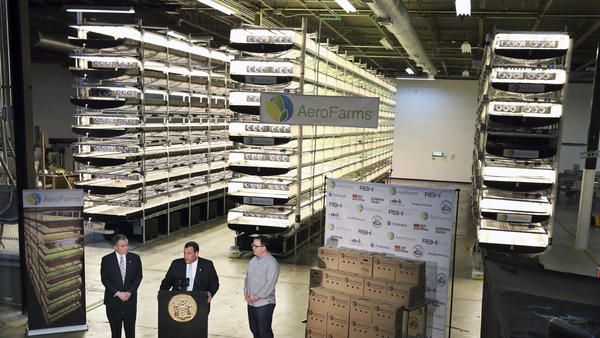
Would the millions of children suffering from hunger and food insecurity in the United States be healthier, and have homes full of fresh produce if we started re-designing old abandoned buildings to new-tech farms? AeroFarms, co-founded by Marc Oshima and David Rosenberg, vertical farm entrepreneurs, hope to build a way to bring more farm fresh produce to urban citizens, no matter what the weather. Planning to produce over 2 million pounds of fresh vegetables per year in an old New Jersey steel mill, they also see their business as a way to help the areas of Newark that are underprivileged. Rosenberg explained to the Chicago Tribune, that there are many areas of Newark (33.8% Latino) that do not have economic development or access to supermarkets, that's why they chose to put ...
The U.S. Department of Health and Human Services (HHS) awarded more than $100 million to over 1,300 health centers across the United States to invest in health center quality improvement. The centers will use these funds to “expand current quality improvement systems and infrastructure.” The centers will use the funds to improve systems and infrastructure as well improve some of the primary care services they deliver in their communities. “Millions of Americans rely on health centers to provide them with quality health care,” said Dr. Mary Wakefield, HHS Acting Deputy Secretary. “These quality improvement awards will support health centers to continue to deliver superior health care that engages patients, improves care coordination and bridges overall access to ...
An investment as little as $10 per person per year in evidenced-based, community prevention programs, such as those that increase physical activity and improve nutrition, could create health care savings of more than $16 billion annually within five years. In 2012, the Massachusetts (11.2% Latino) became the first state to use a wellness trust as an effort to reduce health care costs by preventing chronic conditions when the Massachusetts Legislature established the Prevention and Wellness Trust (PWTF) through a one time assessment on acute hospitals and payers, totaling $57 million. The Trust supports nine community-based partnerships, including municipalities, clinical organizations, healthcare systems, community-based organizations, businesses, regional planning organizations, ...
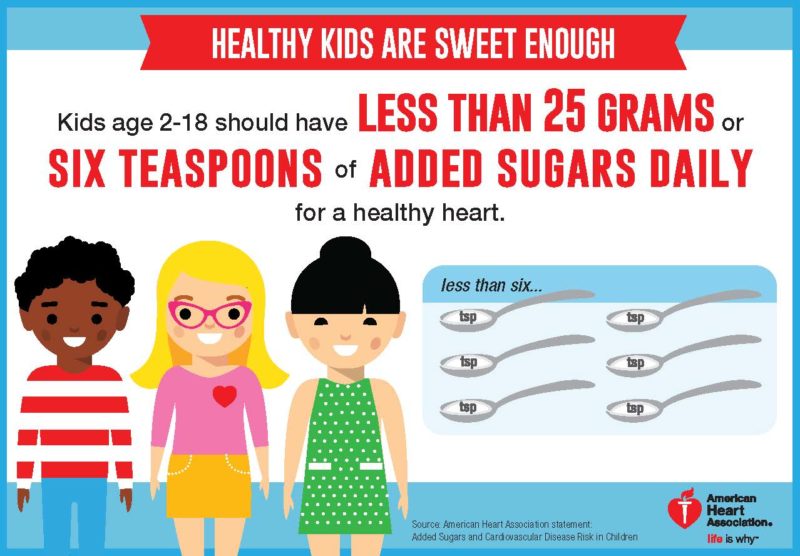
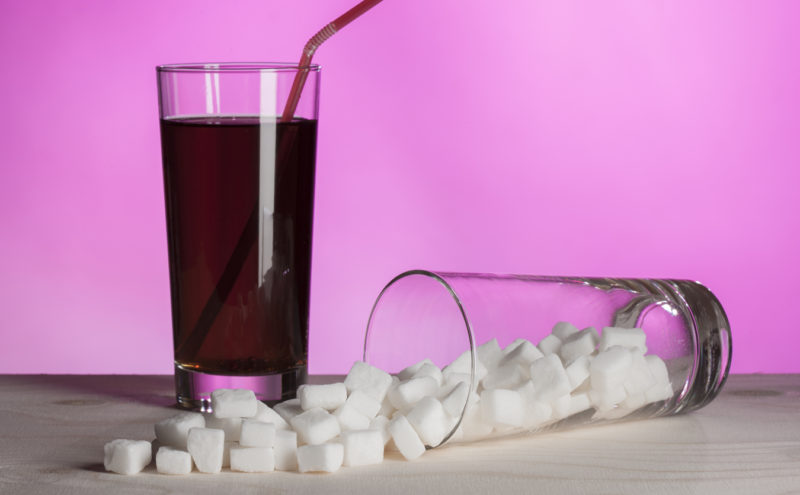
Sugar consumption is a huge factor in the nation's struggle with obesity, as many kids eat soda, snack foods and other foods with hidden added sugars on a daily basis. In fact, 74 % of Latinos have had a sugary drink by age 2 and about 22% of Latino high-school students have 3 or more sugary drinks a day. An average 20 oz soda contains around 16 teaspoons of sugar, that's almost triple the amount of sugar that is recommended! The American Heart Association (AHA) has now released new guidelines based on a scientific statement giving specific recommendations concerning children's intake of added sugars. The new guidelines offer helpful tips in understanding how much is too much when it comes to added sugars in foods and beverages. The AHA recommends: Children 2-18 consume ...
A new multi-phase school meal assessment process will help implement healthier scratch made meals for the next two years for students in Colorado's Fort Morgan school district (60.8 % Latino). Like various other districts across the state, Fort Morgan's School District plans to partner with LiveWell Colorado' LiveWell@School Food Initiative, a nonprofit movement funded in part by the Colorado Health Foundation, that helps offer schools a way to serve fresh foods made from scratch. The main goal of the initiative is to make sure kids have healthier school meals by 2022. The partnership with schools allows the initiative to go into cafeterias and teach culinary training for staff, provide new equipment, and offer tips on healthy recipe planning. The initiative has already helped ...
West Virgina's soft drink excise tax created back in 1951, taxes one cent for every 16.9 ounces. It is now being re-examined to see how the state can decrease soda consumption and generate more funds for Medicaid coverage, and higher education. Tara Holmes, summer research associate for the West Virginia Center on Budget and Policy explained in a recent article, that a once-cent-per-ounce tax would need to be implemented to both generate revenue and potentially bring down soda consumption. According to the local news, the state generated $15 million last year in current "soda tax" revenues, where funds go to medical, dental and nursing schools in the state. The state, however, is looking for more streams of revenue to fund Medicaid. The State of Obesity research reveals that ...