All kids deserve to grow up in a healthy environment, where access and education around healthy meals and activities bring about healthy habits for a lifetime. Hoping to ensure girls learn about aspects of wellness like friendship health and community, Blue Cross Blue Shield of Arizona (BCBSAZ) is working with Girl Scouts-Arizona Cactus- Pine Council (GSACPC) to encourage girls to earn a new badge focused on healthy living. The "All About Healthy Living" patch will be launched in February 2017 and is focused on wellness, including aspects like friendship, community, fitness and health. Healthy eating is also part of the partnership where BCBSAZ is requesting all young girl aspiring chefs to join the All About Healthy Living recipe contest, where they can submit an original ...
The Parent Teachers Association (PTA) has geared up to help ensure that students have access to and participate in nutritious school meals. Laura Bay, president of the National PTA explained in a press release that students learn better when they eat better, and a strong school meal program can help children receive more than half of their daily nutrient needs. The PTA plans to award over $60,000 in grants to schools and PTAs across the country. Three schools will receive $5000 each, and another 25 PTAs in Alexandria, VA will receive grants of $2000 each. A collaboration between The Pew Charitable Trusts and the Robert Wood Johnson Foundation created the Kid's Safe and Healthful Food Project which helps fund in part The Healthy School Meals grants. The PTA also plans to help ...
The number of people participating in the U.S. Department of Agriculture’s (USDA) Supplemental Nutrition Assistance Program (SNAP) has steadily declined over the last few years to its current low. As of June 2016, 43 million people have accessed SNAP benefits compared to a record high of 48 million in 2013; this is a drop of nearly 4.4 million people. In 2013, nearly 8 million Latinos participated in SNAP and comprised 16% of all SNAP benefits. Since 2007, the number has largely been between 16% and 17%. Nearly 30% of all Latino children currently live in food-insecure households. The 89 counties in 2013 with majority Latino households make up 3% of all counties in the U.S.; 27% of these are counties with the highest rates of childhood food insecurity. In order to reduce health ...
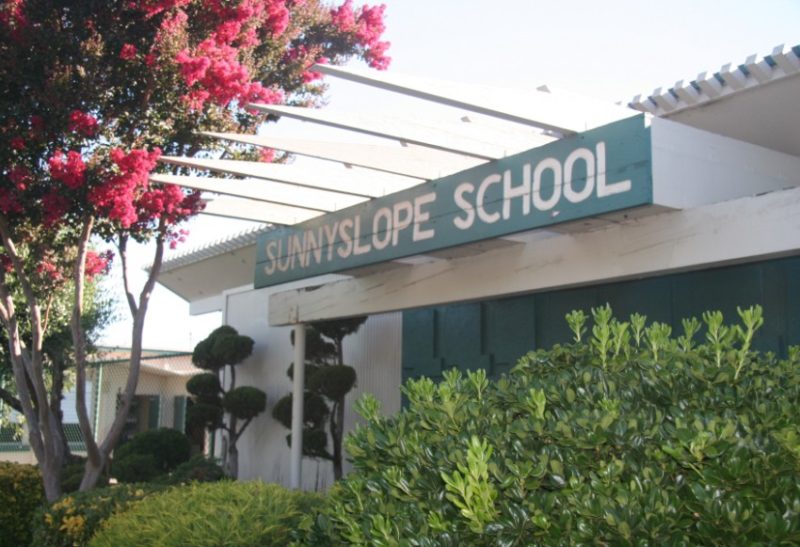
Students in the Sunnyslope school in Hollister School District within Hollister, Calif. (65% Latino) were introduced to a fresh school salad bar yesterday as a new partnership blossomed. Sunnyslope school the Hollister School District will now get to enjoy fresh local grown produce from the Grower-Shipper Association Foundation as a partnership between the district and the Grower-Shipper's Foundation are working together to fight against childhood obesity in the school environment through giving more kids access to fresh vegetables in local schools. "It is an amazing sight to not only see the students excited about salad but also enjoying it as a healthy lunch option," Joe Rivas, Sunnyslope's principal told local news source BenitoLink. It's true, Latino-majority schools often ...
Swimming in school may be the most promising physical activity to get and keep Latino and all kids active in and out of school. Kids who receive physical education (PE) in school are more active outside of school, according to the Physical Activity Council (PAC) 2016 Participation Report. This is particularly relevant for Latino kids who are at increased risk for heart disease, diabetes, and other chronic diseases related to inactivity. The PAC annually tracks US participation in 120 sports, fitness, and recreation activities and found that all age groups rate swimming for fitness in their top three favorite interests among 10 different activities. For example, children ages 6-17 rate swimming as their second favorite interest behind camping. Individuals ages 25-35 rate ...
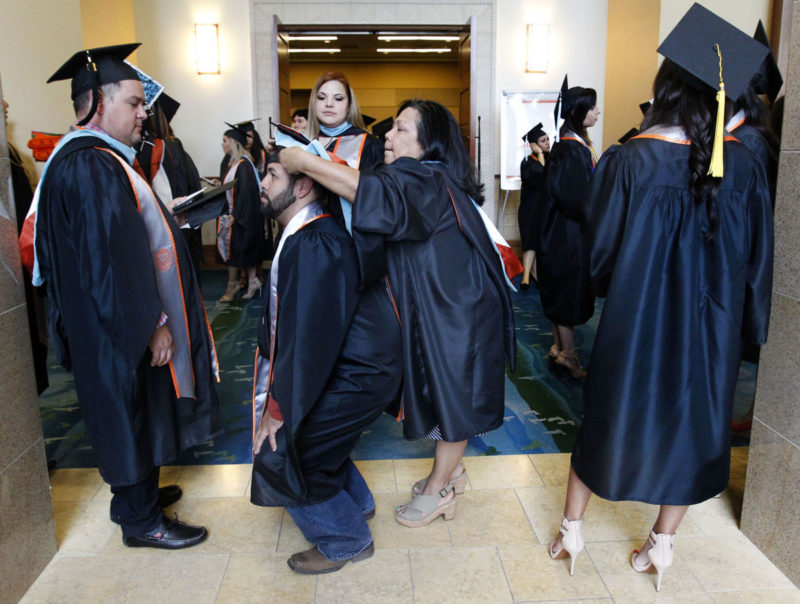
Even though more Latinos are obtaining college education than ever before, they still lag behind other groups in obtaining four-year degrees. Through 2014, just 15% of Latinos (age 25-29) have a bachelor’s degree or higher. At Rutgers University in New Brunswick, NJ (55.6% Latino population), more than one-third of students currently enrolled in higher education are the first in their family to attend college. It has also been found that nearly 90% often spend up to six years in college; many never graduate with a degree. A new program looks to change that, The Daily Targum reports. RU-1st is a new program focused on increasing graduation rates of first-generation, high-need or underrepresented students. The program was started in the hopes of “sparking conversations on issues ...
Florida International University (FIU), in Miami, Fla. (70.7% Latino population), has been recognized as the four-year institution that has awarded the most degrees to Latinos in the country. Taking into account degrees conferred up until the 2014-2015 school year, Florida International had awarded 5,754 bachelor’s, master’s, and doctoral degrees to Latino students. A story entitled: “The 25th Annual Top 100 Bachelor’s Master’s Doctoral Degrees Conferred” online magazine Diverse: Issues in Higher Education compiled the list. California State University, Fullerton (CSU-Fullerton), in Fullerton, Calif. (34.7% Latino population) was identified as the school that had awarded the second most degrees to Latinos. During the same time period, the school awarded 2,704 degrees to ...
Being the first major United States City to pass a soda tax, Philadelphia (14% Latino) now faces a legal battle with the American Beverage Association (ABA). For Latino kids, who's consumption of sugary drink is often higher than their white peers, this is a step back for the future of their health. In fact, Latino kids are often targeted by media to drink more sugary beverages and junk food, leading them to consume unhealthy food and drink which often lead them toward diet-related health risks like heart disease, high blood sugar, and or diabetes. Millions of dollars have already been spent on opposition from ABA to keep the soda tax measure from passing, but now ABA hopes to keep the tax from being implemented before it's projected start date in January 2017. Mayor Jim ...
Access to and treatment for mental health issues is has long been a problem for many Latinos. According to a recent study, one in five Americans is believed to have a mental health condition at any given time. However, Latinos receive a lot less psychiatric care overall, including visits to psychiatrists, social workers, and psychologists. In an effort to combat the growing trend of a lack of access, the U.S. Department of Health & Human Services (HHS) has awarded more than $44 million to increase the number of mental health providers and substance abuse counselors across the country. A recent announcement from HHS touted that the Health Resources and Services Administration (HRSA) and the Substance Abuse and Mental Health Services Administration (SAMHSA) would be funding 144 ...