Low-income Latino kids who attended early education programs at age 4 did better in third grade than other public school children, according to a study conducted using data from the Miami School Readiness Project (MSRP). Unfortunately, fewer Latino children are enrolled in early education programs than non-Latino children. Researchers looked at data from 11,902 low-income Latino children in Miami (66.8% Latino) to assess children's performance on state standardized tests of math and reading as well as children's grade point average (GPA) in third grade. "We found that those children who took part in public school prekindergarten programs started kindergarten with stronger academic skills, more optimal social-behavior skills, and English-language proficiency," Arya Ansari, a ...
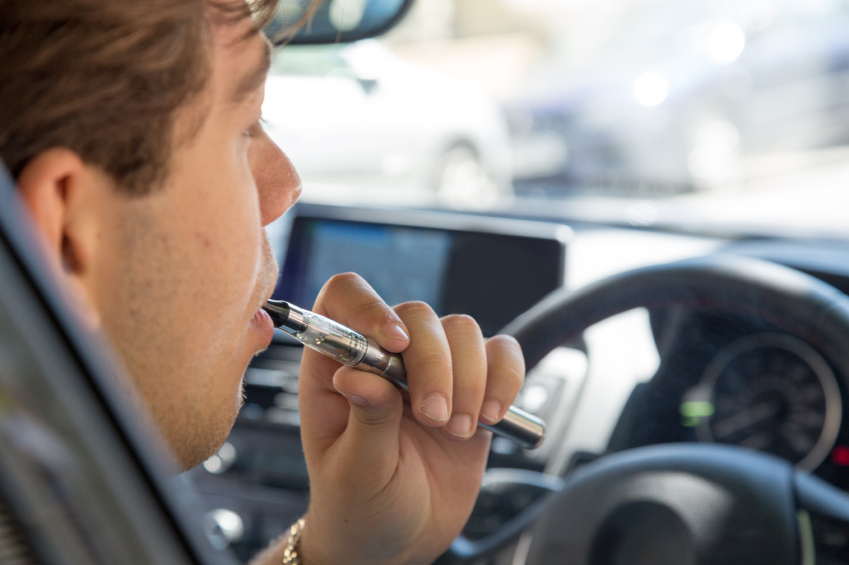
After decades of educational messages and campaigns on the grave health consequences of tobacco use, fewer young people than ever smoke cigarettes. But this triumph has come with an unintended side effect. A rising number of middle and high school kids are smoking electronic cigarettes, or "E-cigarettes," according to a National Institutes of Health report. E-cigarettes are electronic devices that vaporize flavored liquids that often times contain nicotine. These alternatives to smoking tobacco come with their own set of health risks, including asthma and respiratory infections. Among Latinos, tobacco use remains a serious problem and an increasing number have begun using e-cigarettes, according to American Heart Association News. "Easy access to these products, the ...
Clean, accessible water is vital to the health of children, especially when it comes to reducing consumption of sugary beverages and keeping kids healthy throughout the school day. The National Drinking Water Alliance (NDWA) is a national coalition of nonprofits, academic institutions, individuals and advocates who are working to ensure all children have access to safe and clean drinking water. NDWA is working to ensure water safety issues, like what happened in Flint, are eradicated at the national, state and community levels, by developing legislation for tap water testing in schools and childcare sites. NDWA has not only urged the United States Department of Agriculture to add a water symbol to the My Plate graphic but also provides a hub of various water resources, including ...
Fast-food is usually considered unhealthy, as it contains added salts, fats and sugars in most menu items, but how does the packaging of fast-food harm you? A new study funded by the National Science Foundation and the Silent Sprint institute showed how chemicals used in an array of fast food packaging can be dangerous to consumers. Health risks like cancer, thyroid disease, immune suppression, low birth weight and decreased fertility are associated with a chemical used in fast food packaging called PFASs (per-and polyfluoroalkyl substances) also known as PFCs, which are highly fluorinated chemicals. “These chemicals have been linked with numerous health problems, so it’s concerning that people are potentially exposed to them in food,” said Laurel Schaider, an ...
Why do social injustices occur? Noemi Fernandez, who is interested in tackling the reasons for social justice issues, desires to improve health and empower the Latino community. Fernandez is a first-generation Mexican-American bilingual student. She grew up in a predominantly low-income Latino community. With the guidance and support of her older sister and parents who taught her pride in their Latino culture, she gained experience in social work and started working on mental health issues, particularly sexual trauma, among minority groups. She earned her MSW, too. Fernandez also applied for the Éxito! Latino Cancer Research Leadership Training program, which recruits 25 master’s-level students and professionals for a five-day Summer Institute to promote doctoral degrees ...
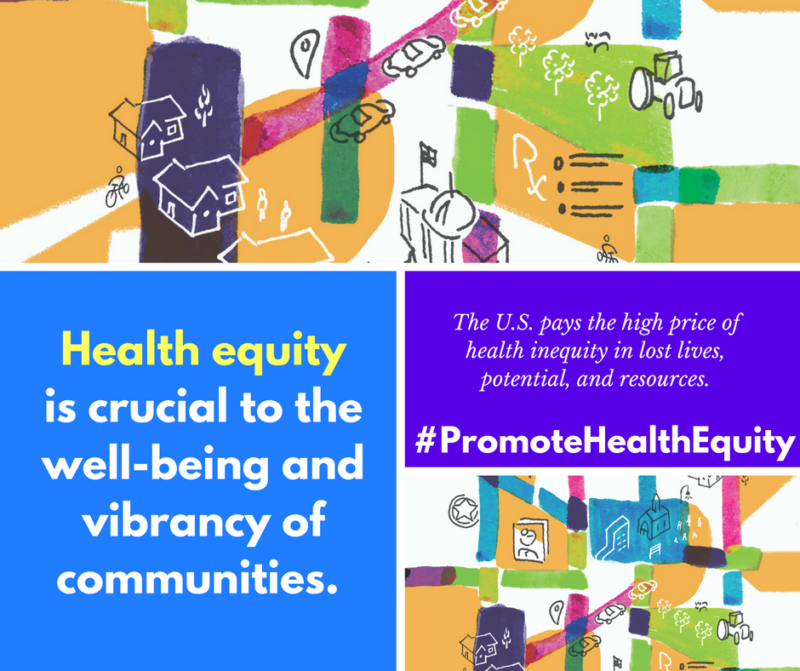
Despite being the country’s largest racial/ethnic group, Latinos suffer from “vast differences” in health conditions compared to whites. These health disparities prevent many Latinos from attaining quality health and well-being, educational achievement, and financial success. A new report from The National Academies of Sciences, Engineering, and Medicine entitled Communities in Action: Pathways to Health Equity addresses the roles that communities can play in helping people achieve health equity. By linking health equity with opportunity, the research for the report has shown that problems ranging from poverty, unemployment, low educational attainment, inadequate housing, and a lack of public transportation among many other factors. In order to reduce health disparities, ...
Cervical cancer is one of the most preventable cancers. By getting regular Pap tests, doctors can find and treat abnormal cells in the cervix before they become cancerous. That’s the good news. The bad news is that black and white women are dying at higher rates from cervical cancer than previously thought. Latinas already have the highest rates of all groups of women. Previous estimates of cervical cancer didn’t account for women who had hysterectomy procedures, which removes the cervix, according to a new study in the journal Cancer, CNN reports. “Prior calculations did not account for hysterectomy because the same general method is used across all cancer statistics,” said Anne Rositch, assistant professor of epidemiology at Johns Hopkins Bloomberg School of ...
Physical inactivity is one of the 10 leading risk factors for death worldwide and causes economic harm at both the social and individual level. Good news is that physical inactivity is modifiable and regardless of weight status, you can reduce your risk of disease and death by being physically active for 150 minutes per week, or 22 minutes per day. However, lack of access to safe places to walk, bike, and play is a major barrier for Latinos to be active and healthy. The America Council on Exercise (ACE) released a new policy position statement on The Inactivity Epidemic. ACE seeks public policies that will reverse the epidemic of inactivity by making physical activity more accessible for all populations. ACE believes a public-policy change is required to reverse decades-long ...
In Dona Ana County (67.1% Latino) where many adults are diagnosed with diabetes, new classes are cooking up to help those diagnosed enjoy diet modifications to improve their health. What is being called the Kitchen Creations cooking school, is being offered at a local high school, Mayfield High School to ensure participants have access to hands-on learning. Participants can build skills like how to plan meals, measure appropriate service sizes, how to read food labels and balance carbohydrates, which all can help aid better blood glucose levels, and increase health outcomes. Participants are sharing the good news of their A1C levels dropping and enjoying the classes, explained Cassandra Vanderpool, registered dietitian and Extension diabetes coordinator for NMSU’s Department ...