In a 2015 report, Opportunity, Responsibility, and Security: A Consensus Plan For Reducing Poverty and Restoring The American Dream, published by AEI & the Brookings Institute, three policies that promote Social and Emotional Learning (SEL) are examined. According to the report, schools have not focused "sufficiently on the socioemotional factors that are crucial to learning." The report states that only three states—Illinois, Kansas and Pennsylvania—have adopted comprehensive SEL standards with age-appropriate benchmarks for their entire K–12 system. Three recommendations provided by the authors include: Resources for state and local education authorities to implement and scale evidence-based social-emotional learning practices and policies, provided by the federal ...
According to the Collaborative for Academic, Social, and Emotional Learning (CASEL), Social and emotional learning (SEL) is the process through which children and adults acquire and effectively apply the knowledge, attitudes, and skills necessary to: understand and manage emotions,
set and achieve positive goals,
feel and show empathy for others,
establish and maintain positive relationships, and
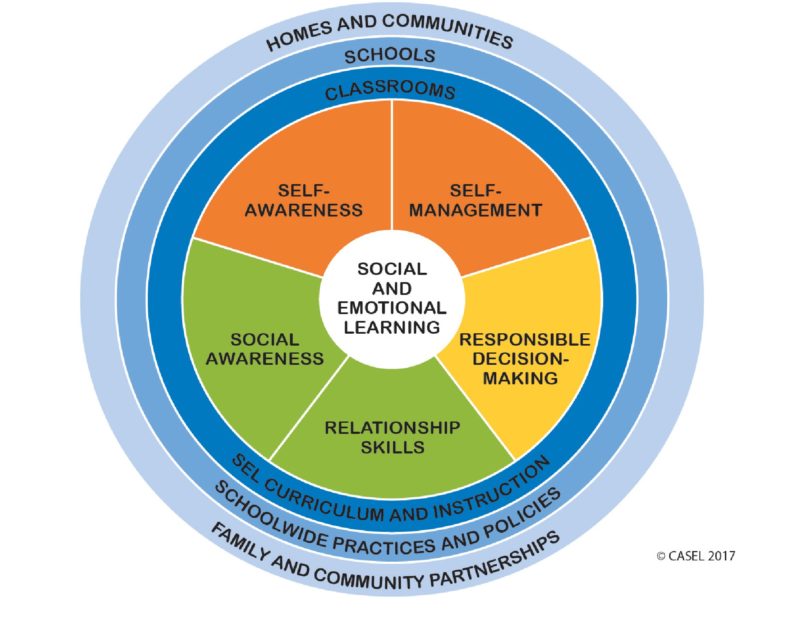
make responsible decisions. CASEL has developed a wheel that describes the SEL framework and how social and emotional learning can be integrated throughout classrooms, schools, homes and communities. According to CASEL, SEL can be integrated into instruction with reading, math, history, and other core subjects. Why is SEL important? Studies have shown that programs ...
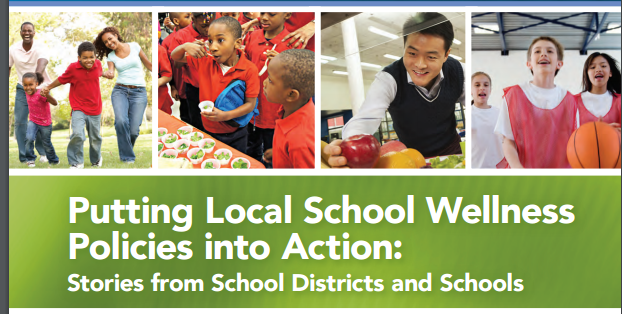
A number of factors can help make school wellness policies a success. To provide parents and educators with examples of what's worked in schools so far, the Center for Disease Control and Prevention (CDC) gathered a series of 11 stories from schools throughout the U.S. In their study of what works best the CDC found 7 commonalities among schools with successful school wellness policies including: A "wellness champion” (parent, teacher, administrator, or community member) who served as the driving force for developing and implementing
the wellness policy;
A wellness council to lead implementation efforts;
Students who were involved in the design process through activities (i.e. students participated in taste tests);
Parents were invited to help set wellness goals ...
In July 2016, the USDA Food and Nutrition Service (FNS) finalized regulations that create guidelines for written wellness policies established by local educational agencies (LEAs). The final rule requires LEAs to develop revised local school wellness policies during School Year 2016-2017. Schools must be compliant with these requirements by June 30, 2017. To meet the minimum requirements set by the USDA's FNS, all schools participating in the National School Lunch program or School Breakfast program will have to ensure that they: Include goals for nutrition promotion and education, physical activity, and other school-based activities that promote students wellness. In developing these goals, local educational agencies must review and consider evidence-based strategies.
Include ...
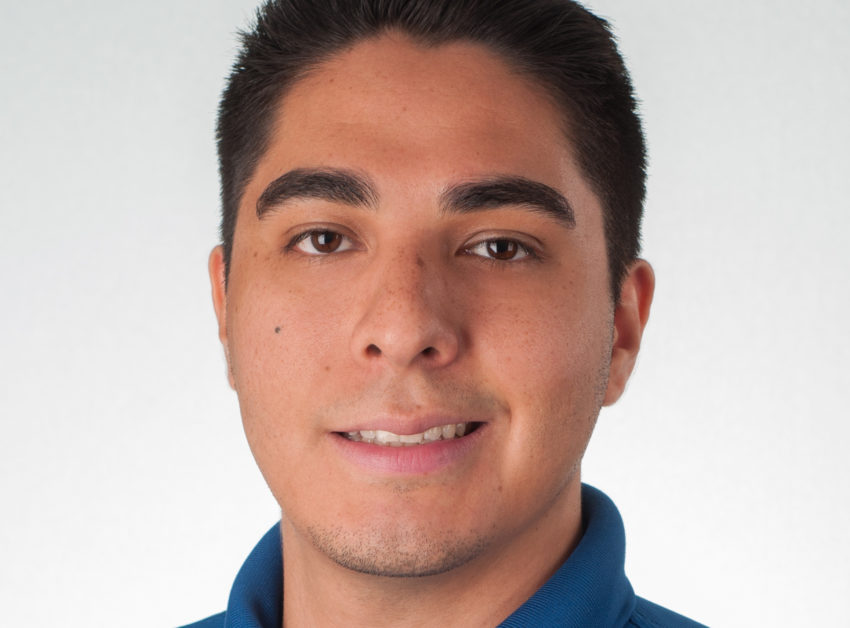
David Rivas’ grandfather was not only like a father to him while growing up. He was also a mentor who guided him and taught him the valuable skills of adaptability, entrepreneurship and showed him the importance of being “educado” (educated). Rivas puts those life lessons into use and is now studying epidemiology and biostatistics as a master’s student in public health at the University of Nevada, Las Vegas (UNLV). He is passionate about understanding how health conditions turn cancerous. Rivas, a native of California who was raised in Ontario, Calif., is completing a one-year internship with the State of Nevada’s Adult Viral Hepatitis and STD Prevention and Control program as a health research analyst. He also serves as a laboratory assistant and sampling ...
In efforts to help decrease the rising obesity rates in France, the government has banned all fast-food restaurants, including many American chain restaurants from giving consumers free soda refills. Targeted to the youth, who are facing rising rates of diabetes, the law is working to limit consumption of sugary beverages, which has shown through research to be linked higher risk of type 2 diabetes, heart disease, cavities, and behavior problems. According to 2014 data, the French are less overweight than Americans, at 15.3% vs Americans at 36.5%, however, France is looking to be ahead of the issue, working to prevent alarming levels of diabetes. Many countries across the world are working to tackle their rising obesity and diabetes rates, through the World Health Organizations ...
In San Antonio, TX (63.34% Latino population), a coalition of healthcare professionals has banded together to get the word out about the final days of Open Enrollment. EnrollSA has created a series of enrollment events throughout the Bexar County area leading up to the last day to enroll in healthcare coverage for this year, January 31, 2017. Events will be held throughout the city, beginning on Saturday, January 28 leading up till the final day. The events will be bilingual and volunteers on site can help people navigate the enrollment process. In order to reduce health disparities, it is critical to address inequities in programs, practices, and policies. Join our site, connect with others, and get involved. For those looking to simply renew their coverage, they ...
Two projects from the Keck School of Medicine of University of South California National Institutes of Health for obesity research have been awarded funding to support research focused on preventing and treating obesity-related fatty liver disease in Latinos. Michael Goran, Ph.D., professor of preventive medicine, co-director of the Diabetes and Obesity Research Institute and director of the Childhood Obesity Research Center at the Keck School, was the recipient of both grants and will be leading the research efforts. Prior work from the Goran lab showed that early introduction of sugary beverages to Latino infants was associated with higher prevalence of obesity. Going off this information, one of Goran's project swill examine how reducing sugary beverage consumption for ...
Cancer deaths in the United States have dropped 20% from 1980 to 2014! This is great news, but there are still several “hot spots” where cancer deaths persist despite efforts being made nationally, according to a new study in the Journal of the American Medical Association. The study examined 20 million cancer deaths by county location over 24 years. Liver cancer increased by almost 88% nationwide over that span, and clustered along Texas' border with Mexico in largely Latino populations, according to a news report on the research by CNN. Lung cancer deaths “bunched” across the states of Kentucky and Florida, and breast cancer deaths clustered along the Mississippi River and Southern belt. "At the county level, you see huge disparities," Ali Mokdad, the lead author ...