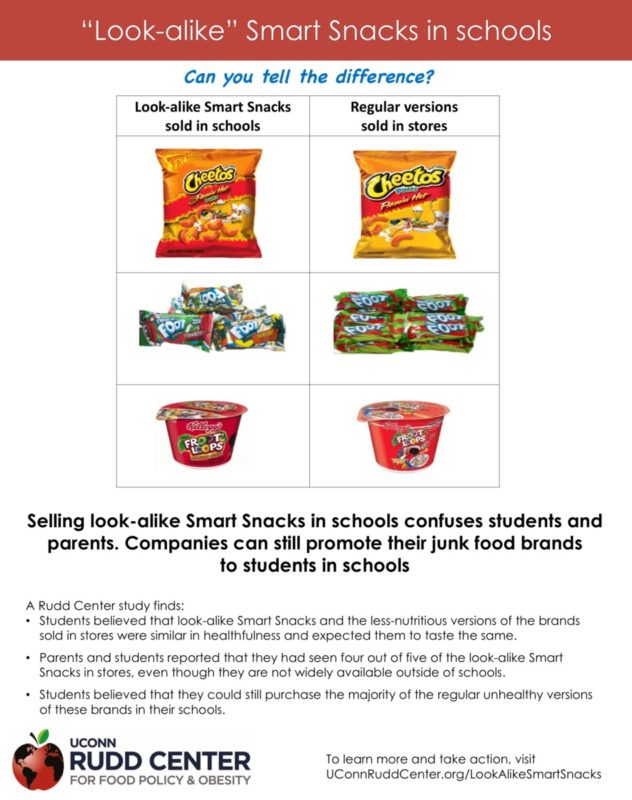
The UConn Rudd Center just released a study today in the Journal of Obesity, looking at how healthier snacks that are "smart-snack" approved, can change the attitude about the food brand and confuse parents and children when shopping for healthier snack options. The study examines how parents and children rated look-alike snacks in taste, healthfulness, and purchase intent. Smart Snacks were considered healthier, but less tasty, however, many parents and kids believed they had seen similar products for sale in stores. This can be a challenge for parents looking for the healthier options in stores, believing that the "copycat" or "look-alike" versions of junk food are in fact, approved by Smart Snack regulations set by the U.S. Department of Agriculture in 2013. Schools are ...
Need to figure out what to do in your school to have safe and clean water access and encourage everyone to drink more water? Watch the video webinar to learn more about how the Wisconsin (58% overweight or obese) created the Wisconsin Oral Health Coalition that has helped with initiatives to increase water consumption, reduce tooth decay and ensure students have access to safe and appealing water resources in schools. Through watching the webinar viewers will: Have a basic understanding of the need to decrease consumption of sugary drinks to increase oral health and reduce tooth decay or cavities
Know about recent research of how low-cost water initiatives bring benefits in the help to fight childhood obesity & tooth decay
Have tools and a guideline to help advocate ...
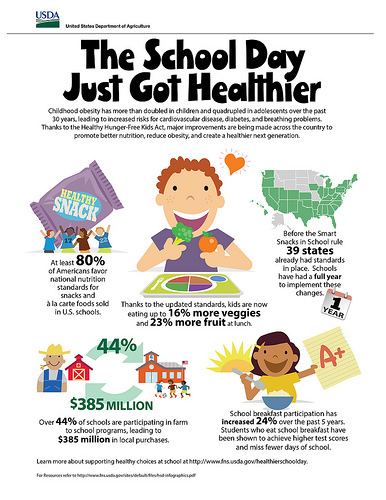
The new U.S. Department of Agriculture (USDA) guidelines for Smart Snack in Schools is working to help students have healthier snacks in schools, encouraging schools to stop selling foods high in unnecessary sugars, salts and fats like candy bars, sodas, and fried foods. In fact, new recommendations from the American Heart Association reveal that children and teens should consume less than 6 teaspoons of sugar a day. Are Smart Snacks in your school? Each snack offered must meet guidelines set by the USDA, including but not limited to sugar, salt, fat and calorie limits. Beverages are limited in schools as well, no soda is allowed to be sold and only 100% fruit or vegetable juice is allowed, although some juices still contain high amounts of natural sugars. Find out more ...
More than 90 percent of Latinos are members of faith-based organizations. Many or these organizations such as churches and other faith institutions serve as a focal point for social networking and may therefore serve as an ideal setting for introducing wellness initiatives to Latino children and their families. The preliminary results of this San Antonio, TX based study--Building a Healthy Temple--highlight the need for obesity prevention among Latino children and reveal the strong potential of faith-based communities to serve as centers that promote a healthy weight and an overall healthy lifestyle. Share this resource on social media! Faith based initiative shows promise in promoting health for Latinos ...
According to information released by the Department of Health and Human Services (HHS), even if rates were to increase in 2017 by double digits, over 70% of consumers on HealthCare.gov will still be able to purchase a plan for less than $80 per month. Since the Affordable Care Act (ACA) became law, prices for plans have risen. In a hypothetical scenario, one in where all rates increase by 25%, the HHS found the vast majority of consumers (73%) would be able to purchase coverage for less than $75 per month. All Marketplace premiums will be finalized and made public this coming October. “[Rate increases reported in the headlines] do not reflect what consumers actually pay,” said Kathryn Martin, Acting Assistant Secretary for Planning and Evaluation. “Our study shows that, even ...
Salud America! Guest Blogger
Jefferson Dental Clinics Fewer than 1 in 3 people floss daily. On top of that, the U.S. federal government recently made a controversial ruling to quietly remove flossing from its list of dietary guidelines, after having supported floss since 1979, due to mixed research results on the benefits of flossing. We can all toss the floss, right? Wrong. Flossing remains an effective method to remove food particles and buildup from between the teeth, and help people reach the plaque where it does form between the teeth, said Dr. Leslie Renee Townsend, regional dental director for Jefferson Dental. "Leaving particles and buildup trapped between the teeth is a quick route to developing decay and disease around the teeth and gums," Townsend ...
Soda, sweet tea, energy drinks, sports drinks, all have something in common in Berkely, they are sugar-filled and taxed. The city's 1-cent-per-ounce excise tax, which began collecting taxes in March 2015, has now been shown to benefit public health efforts that helped support the tax. A new study, released Tuesday, 2016 in the American Journal of Public Health, reveals how over 2,679 people in low-income neighborhoods across San Francisco, Oakland and Berkeley, CA are increasing water consumption and decreasing soda consumption. Not only are people drinking more water, but millions of funds from the excise tax will now help schools with gardens and work to build more community nutrition and health efforts. Whether it's the soda tax or the awareness of the dangers of sugary drinks ...
Access to safe parks plays a huge role in overall health and wellness by promoting promoting physical activity and improving mental health. Parks even have the potential to reduce health care costs. Unfortunately, there are inequities in Latino kids' access to parks and safe places to play; therefore, they are at increased risk for mental and physical health problems, according to a Salud America! research review. Learn more about why equitable access to safe places to walk and play are so important here. The National Park Service celebrates 100 years of stewardship the week of August 22, 2016. To celebrate this milestone in American history, the Robert Wood Johnson Foundation Culture of Health blog's editorial team asked six leaders to their reasons why parks matter for ...
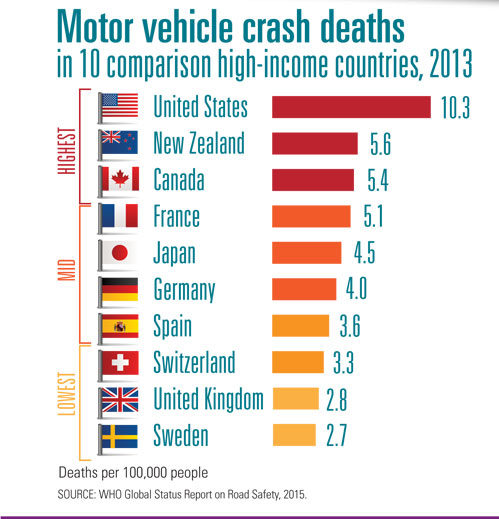
When it comes to traffic safety, the U.S. lags far behind other countries. The National Highway Traffic Safety Association's (NHTSA’s) analysis of 2015 data shows that 35,200 individuals were killed on U.S. roads last year, which is the largest year-over-year percentage increase (7.7%) since national record-keeping began. Traffic safety is a public health issue. It is also a social justice issue because there are drastic disparities in fatalities and injuries among people walking and biking, and minorities. "We won’t save the number of lives we aim to without shifting our understanding of traffic violence from an individual behavior problem to a design, policy, and organizational practices problem," according to the Vision Zero Network. Moreover, the shift in ...