When David Miskie graduated from UC Berkeley, he wasn’t planning on starting a cereal company. He actually worked for a few years in consulting, private equity, and investment banking. But after working on consumer products, Miskie, his dad, and his best friend Matt Teichman had an idea – What if we could create a product that everyone loves and make it healthier and better for you? That’s how San Franola Cereals & Snacks was born. Ten years later, San Franola is focused on distributing high quality, whole-food cereals to public schools. They’ve even expanded their labels to include Spanish, so that Spanish-speaking, Latino families can know what healthy ingredients are in their cereal. While keeping up with consumer demand and adjusting to the COVID-19 pandemic ...
While the elderly are highly susceptible to the coronavirus COVID-19, young adults aren't off the hook, either. Almost 40% of U.S. coronavirus patients who were sick enough to need hospitalization were between the ages of 20 to 54, according to recent CDC data. "There seems to be this ethos that the virus is no big deal for young people," said Dr. Mark Pasternack, chief of the pediatric infectious disease unit at Massachusetts General Hospital, told the Newbury Press. "But it is a big deal because some young people are getting very sick and because they are also very serious vectors of disease spread."
Why Obesity and Coronavirus Outbreak is a Concern for Young People in the U.S.? Obesity may be one of the most important predictors of severe coronavirus illness among ...
It is a proven fact that people of color inhale more hazardous pollution than whites. Worse, the consumption of products that cause unclean air is coming from the community least affected by this kind of pollution — whites, according to recent research. Latinos, the group most impacted, will breathe 63% more contaminated air than what their consumption produces. “Even though minorities are contributing less to the overall problem of air pollution, they are affected by it more,” Jason Hill, study co-author, University of Minnesota engineering professor, and who is also white, told USA Today. “Is it fair [that] I create more pollution, and somebody else is disproportionately affected by it?” Air quality detrimentally affects Latinos in childhood diabetes, lung ...
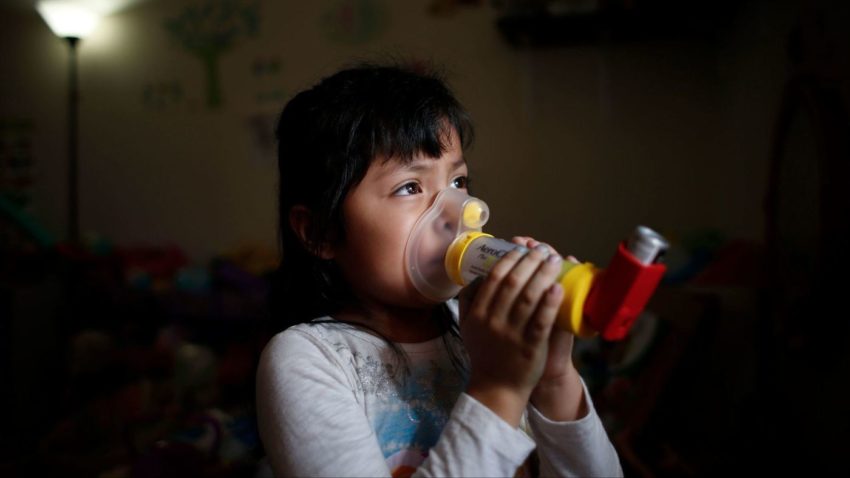
Did you know Latino kids are twice as likely to die from asthma than their peers? More than 1 in 10 U.S. Latino kids have been told they have asthma. These kids struggle with this incurable lung disease that causes recurring periods of wheezing, chest tightness, coughing, shortness of breath, and can result in missed days of school or emotional and physical stress. Why is this? Poverty plays a big role, but it's more than that, said Genny Carrillo of Texas A&M, who studies the disease. "Possibly due to more limited access to health insurance and health care providers and higher presence of environmental triggers such as pollution, dust and mold," Carrillo said. There is good news. A person with asthma can live and sleep without interruptions with proper ...
Sweetened sugary beverages are the main sources of excess sugar consumption and are associated with decreased water, fruit and vegetable consumption, as well as increased risk for obesity, diabetes and other chronic diseases. Parents in the Tayside area of Scotland expressed their concerns about the excess sugar given to toddlers in the form of fruit juice. In March 2017, more than 140 Scottish primary schools were banned from giving toddlers fruit juice. Water and milk will be served instead. “All local authorities have a duty to provide school meals that meet strict nutritional requirements, ensuring that pupils are offered balanced and nutritious school lunches," a Scottish Government spokesperson said according to one source. Barriers to healthy eating are not only ...
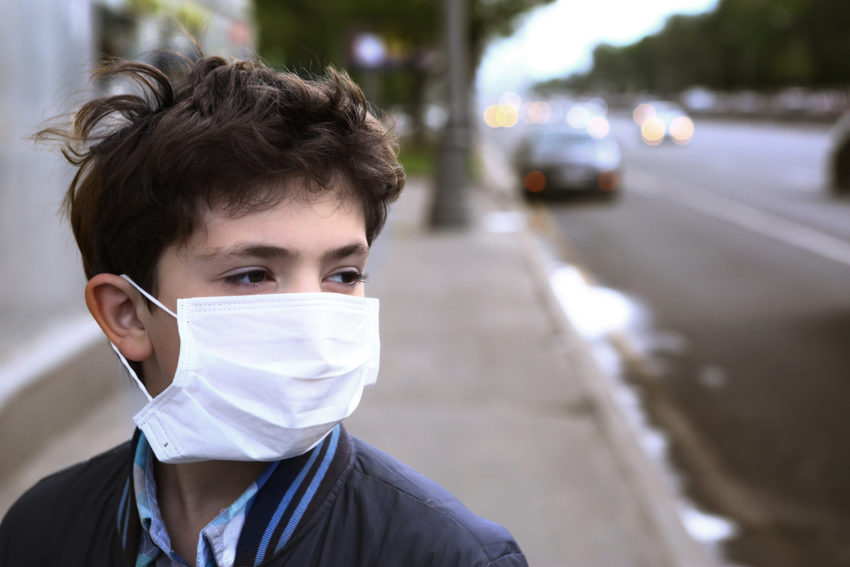
Did you know air pollution is the world’s biggest environmental health threat? Air pollution causes 7 million premature deaths a year, according to WHO data. It is linked to heart disease, stroke, cancer, asthma, and even diabetes in kids. Sadly, Latinos breathe 38% more polluted air than whites. Let’s use #SaludTues on Tuesday, May 2, 2017, to tweet about the latest strategies to improve air quality for Latinos and all people, and help celebrate World Asthma Day (May 2, 2017) and National Air Quality Week (May 1-5, 2017)! WHAT: #SaludTues Tweetchat: “Latinos and the Crisis of Air Quality”
TIME/DATE: 1-2 p.m. ET (Noon-1 p.m. CT), Tuesday, May 2, 2017
WHERE: On Twitter with hashtag #SaludTues
HOST: @SaludToday
CO-HOSTS: Voces Verdes (@VocesVerdes), The ...
Latino kids who live in areas with higher levels of air pollution have a heightened risk of developing type 2 diabetes, according to a new study. USC researchers tracked 314 overweight/obese Latino kids ages 8-15 in L.A. County. None had diabetes at study start. But by the time kids turned 18, those who lived in areas with high levels of air pollution had 13% less-than-normal efficiency in their insulin-producing cells, making them more prone to eventually developing diabetes, according to USC news. These children lived in neighborhoods that, according to the U.S. Environmental Protection Agency, had excess nitrogen dioxide and tiny air pollution particles that are generated by automobiles and power plants. “Exposure to heightened air pollution during childhood increases ...
Corpus Christi, Texas, had been called the fattest city in the nation. Zoya, Sara, and Saherish Surani wanted to do something about it. So the three sisters, with the help of their parents and others, created the iConquer program to get older students to teach younger students how to move more, eat right, and develop healthy habits to reduce obesity in Corpus Christi public schools. Now the Surani sisters won the Salud America! #SaludHeroes video contest! Watch their winning video or read the story how the sisters worked hard to develop, garner support for, fund, and sustain the iConquer program that brings a team of high school students to visit local elementary schools for about an hour once a week for four weeks to present a creative music video, animated videos, dance ...
For the first time, a new study shows that standing desks in classrooms can slow the increase of a key obesity indicator by an average of 5 percentage points. The study, led by the Texas A&M School of Public Health, followed 193 third- and fourth graders in 24 elementary school classrooms, half with standing-oriented desks and half without, for two years in College Station, Texas, the Vital Record reports. Students who had standing-oriented desks for both years averaged a 3% drop in body mass index (BMI)—a key indicator of obesity. Those in traditional desks showed the 2% increase typically associated with getting older. Even more impressive, students who spent only one of two years with standing-oriented desks also had lower mean BMIs than traditionally seated ...