This past year saw significant strides in cancer prevention and care, resulting in better health outcomes for all populations.
However, gaps in access to care, including language hurdles, citizenship status challenges, and insurance affordability remain consistent among cancer outcomes for overlooked populations.
These persistent burdens continue to negatively impact Latino survivorship.
The state of non-medical drivers of health on cancer outcomes is examined in the yearly report from the American Association for Cancer Research (AACR).
Let’s dig into the 2026 progress report and look at the 9 key takeaways impacting Latinos. 1. Cervical Cancer Deaths Drop Amid Strides in Preventative Care
Recently, researchers have seen a dramatic drop in cervical cancer deaths worldwide.
A ...
Dr. Amelie G. Ramirez, a cancer researcher at the Institute for Health Promotion Research and the Mays Cancer Center at UT Health San Antonio, is receiving a 2-year, $400,000 leadership grant to study cancer survivorship from Susan G. Komen, the world’s leading breast cancer organization. Ramirez aims to enhance recovery for cancer survivors. In a group of Latina breast cancer survivors in South Texas, Ramirez will compare two rehabilitation approaches — standard physical therapy and therapeutic yoga — to see how they impact health-related quality of life, fatigue, and physical function over 16 weeks. Therapeutic yoga involves controlled movement, breath regulation, and meditative practices. "By focusing on the whole person and listening to survivor experiences, we hope ...
It’s National Cancer Survivor Month and we are honoring survivors in South Texas and beyond by reminding them that their journeys matter. In fact, they can even help future cancer survivors. That’s the hope of the Avanzando Caminos Hispanic/Latino Cancer Survivorship Cohort Study, which is based at UT Health San Antonio and the Sylvester Comprehensive Cancer Center based at the University of Miami. This study gathers cancer survivors’ unique stories to explore the familial, behavioral, mental, biological, medical, and other impacts on life after cancer. Let’s break down how each of these cancer types impacts the Hispanic/Latino population and how hearing from survivors helps make a difference for future generations of survivors.
Latina Breast ...
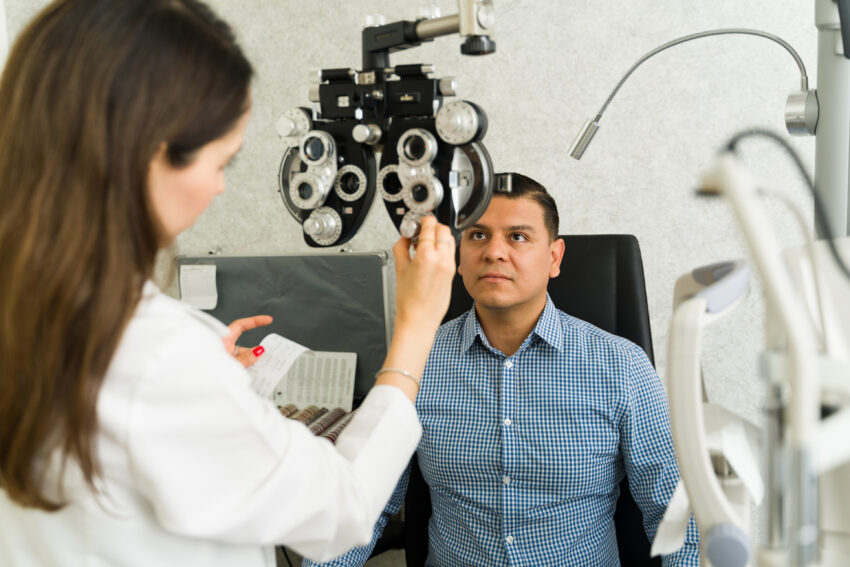
The month of May is Healthy Vision Month, a time to consider how our vision impacts our overall health and understand the importance of eye health. “When you make healthy lifestyle choices, like eating a balanced diet and staying physically active, you are also protecting your vision. In fact, there are several health conditions, like diabetes or high blood pressure, that can increase your risk of some eye diseases,” according to the National Eye Institute (NEI). With the help of NEI, let’s prioritize our eyes for Healthy Vision Month.
Get an Eye Exam
A comprehensive dilated eye exam helps check for eye diseases early on. “Even if your eyes feel healthy, you could have a problem and not know it. That’s because many eye diseases don’t have any symptoms or warning ...
May is recognized as Bladder Cancer Awareness Month, a time to learn about the impact of bladder cancer and spread awareness about bladder cancer resources. The American Cancer Society estimates about 84,530 new cases of bladder cancer. Bladder cancer is the fourth-most common cancer in men and 1 of 4 bladder cancer patients are women. Have you or someone in your family recently been diagnosed and aren’t sure where to start? Check out the following helpful resources from the Bladder Cancer Advocacy Network (BCAN). 1. Bladder Cancer Support Line (Bilingual) BCAN’s Bladder Cancer Support Line offers support by connecting patients with professional oncology social workers. “The call center’s staff will address the emotional, practical and informational ...
The Food and Drug Administration (FDA) is considering whether to allow some flavored e-cigarettes on the market, according to new draft guidance. However, any new vape flavors could only be marketed to adults. Under the new guidance, the FDA may approve vape flavors like “mint, coffee, tea and spices like clove or cinnamon,” but it “will continue rejecting sweet or fruit-flavored products” that appeal more to teens, according to HealthDay, a news agency. FDA states that certain e-cigarette flavors can help facilitate adults switching away from tobacco cigarettes and increase quit attempts. However, public health leaders warn of harm. “Allowing any flavors on the market benefits only corporations and harms public health,” Kelsey Romeo-Stuppy of Action on Smoking ...
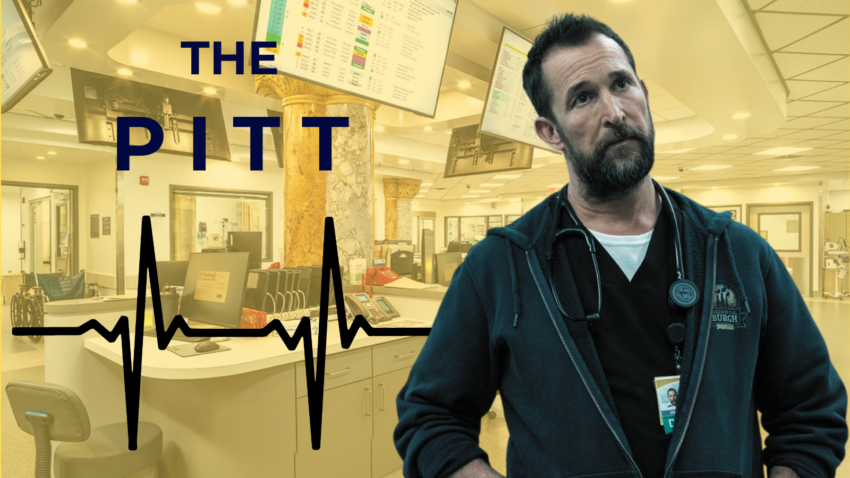
From acute bronchitis to car accidents to overdoses, you never know what is going to come through the doors of an emergency room. However, the ER isn’t only for severe situations – some use it for primary care. This is because the ER has an obligation to treat patients despite someone’s insurance or lack of insurance. That’s why it tends to expose cracks in the health care system. The flaws of health care are mirrored in the HBO TV series The Pitt. The fictional series, set inside a Pittsburg teaching hospital, primarily caters to low-income individuals, celebrates differences, brings awareness to relevant issues, and provides commentary on the US healthcare crisis. Here are some of the ways The Pitt shows how to address the Latino health care crisis. ...
Nicotine-based vapes, or e-cigarettes, are likely to cause cancers of the lung and oral cavity, according to a new study led by the UK’s University of South Wales. “[Our study] is the most definitive determination that those who vape are at increased risk of cancer compared to those who don’t,” said study leader Bernard Stewart. Let’s dive into what the study results mean for those who vape.
E-Cigarettes and Cancer Risk
Little attention has focused on whether e-cigarettes might cause cancer on their own. So, study researchers – pharmacists, epidemiologists, thoracic surgeons, and public health experts – examined clinical studies, animal experiments, and laboratory research to understand the chemicals produced by e-cigarettes, according to a news release. They ...
In 1998, the U.S. Surgeon General released a landmark report calling for tobacco control interventions for Hispanic and Latino and other populations. Has this goal been met? To find out, Dr. Amelie G. Ramirez of UT Health San Antonio analyzed public health efforts since 1998 and identified a mix of replicable successes and remaining challenges in tobacco control, according to her recent article in JNCI Monographs. "Although progress has been made in the years since the report's release, [Latino and other] tobacco users continue to have limited access to cessation medication and support services," Ramirez wrote. "Cultural barriers and tobacco industry marketing have also complicated cessation efforts." "Despite these challenges, some outreach and cessation efforts have shown ...





268 People Commented to Urge the FDA to Reconsider Allowing Flavored E-Cigarettes
The Food and Drug Administration (FDA) is considering whether to allow some flavored e-cigarettes on the market, according to new draft guidance. However, any new vape flavors could only be marketed to adults. Under the new guidance, the FDA may approve vape flavors like “mint, coffee, tea and spices like clove or cinnamon,” but it “will continue rejecting sweet or fruit-flavored products” that appeal more to teens, according to HealthDay, a news agency. FDA states that certain e-cigarette flavors can help facilitate adults switching away from tobacco cigarettes and increase quit attempts. However, public health leaders warn of harm. “Allowing any flavors on the market benefits only corporations and harms public health,” Kelsey Romeo-Stuppy of Action on Smoking ...
Read More