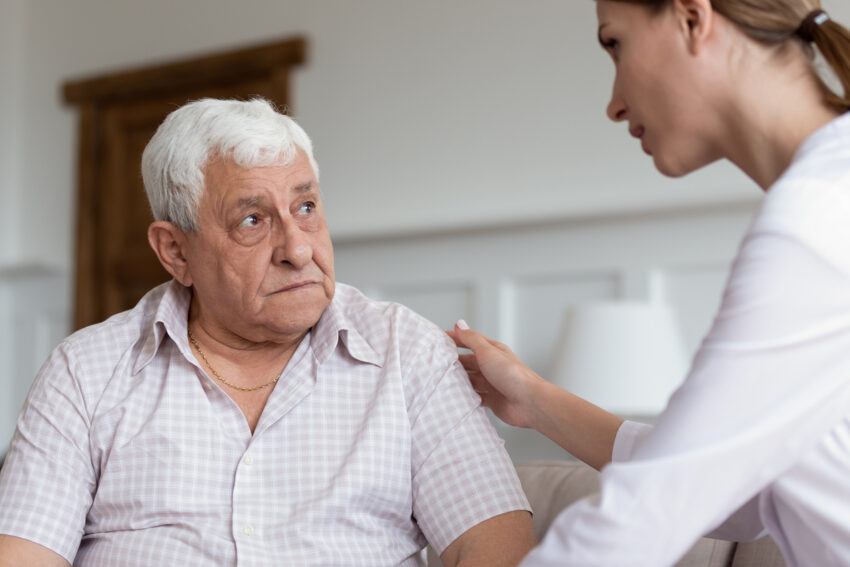
The way into a person’s heart is through their mind — at least that’s the case in the “A Mindful Heart: Stress Management for Individuals with Hypertension” program.
Program leader Dr. Stacy Ogbeide of the Department of Family & Community Medicine at UT Health San Antonio is taking a psychological approach to address hypertension, which is a key risk factor for many heart diseases, including cardiovascular diseases.
Dr. Ogbeide is looking for adults with high blood pressure living in San Antonio to participate in a free program that focuses on stress management intervention in a group setting, which can include education, arousal reduction, such as relaxation training, and behavioral skills training, like coping strategies.
“The group format has been recommended when ...
Today is a great time to protect yourself and others cervical cancer. For Latinos, cancer is the leading cause of death. Latinos also are more likely than their peers to develop cancer in the liver, stomach, and cervix. The good news is you can lower your cervical cancer risk! In celebration of Cervical Cancer Awareness Month in January, let’s dive deeper into how we protect against cervical cancer.
Cervical Cancer Risk Factors and Symptoms
Almost all cervical cancers are caused by human papillomavirus (HPV), a common virus that can be passed from one person to another during sex, according to the CDC. There are different types of HPV. Some cause changes on your cervix that can lead to cervical cancer. Other risk factors include having HIV (the ...
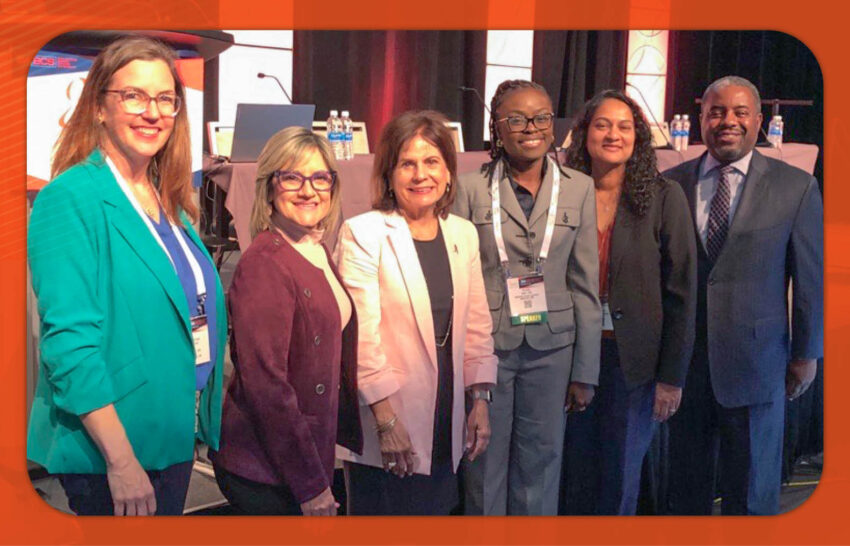
Where you live can have a big impact on your health. In fact, our health is influenced by a variety of non-medical drivers, such as the conditions in which we are born, grow, live, work, and age. These conditions are known as the non-medical drivers of health (NMDoH). Addressing NMDoH is key to improving health for Latinos and all people, said Dr. Amelie Ramirez, leader of Salud America! and the Institute for Health Promotion Research at UT Health San Antonio, in a panel presentation on Dec. 5, 2023, at the San Antonio Breast Cancer Symposium. "What we’re finding is that [issues with NMDoH can] negatively impact our health," Ramirez said.
Screening for Non-Medical Drivers of Health (NMDoH)
Studies suggest that NMDoH accounts for between 30-55% of health outcomes. NMDoH ...
Volunteering for Thanksgiving, Christmas, and New Year’s helps other people. It gives the volunteer a nice emotional boost, too. So why not volunteer your "digital voice" or "actions"? We at Salud America! invite you to take or start these 13 actions to promote health equity for Latino and all families this holiday season!
1. Speak Up to Limit Sugar in Dietary Guidelines!
A few years ago, scientists advised federal leaders to adjust the Dietary Guidelines for Americans to lower added sugar intake from 10% to 6% of daily calories and reduce men’s daily alcohol intake from two to one drink a day. That advice was not taken. Now those scientists – the Dietary Guidelines Advisory Committee – are asking for public comment as they again prepare to recommend changes ...
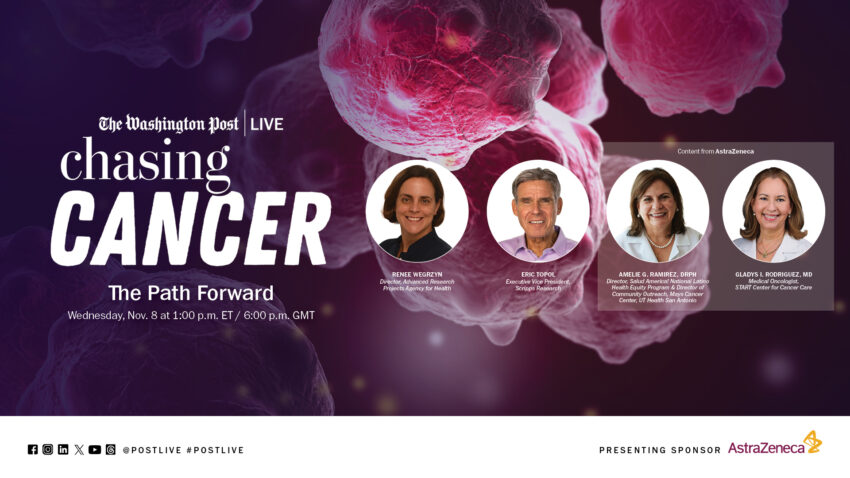
Dr. Amelie G. Ramirez, leader of Salud America! at UT Health San Antonio, joined The Washington Post's live show to share how cancer screening can help patients get diagnosed and treated earlier. The show, "Chasing Cancer: The Path Forward," sponsored by AstraZeneca, took place Nov. 8, 2023. In the first part of of the show, Renee Wegrzyn, director of the Advanced Research Projects Agency for Health (ARPA-H), and Eric Topol, executive vice president of Scripps Research, discussed how technological advancements and AI are changing how cancer is diagnosed and treated. In the second part of the show, Ramirez teamed with Dr. Gladys I. Rodriguez, a medical oncologist with the START Center for Cancer Care, to discuss innovative initiatives make it easier to access early screenings for ...
Researchers need your help as they seek to better understand how lung cancer impacts people differently and how to improve treatment and quality of life. That’s why the GO2 Foundation for Lung Cancer started its Lung Cancer Registry. The international Lung Cancer Registry, available to join now, aims to double the 5-year survival rate of lung cancer patients from 20% to 40% by 2025. “By sharing your lung cancer story, contributing your experiences as a person with lung cancer or a caregiver of someone with lung cancer, you are helping the research community develop new treatments,” according to GO2. Let’s dive into more about the registry, how you can join, and how it can help Latinos.
Joining the Lung Cancer Registry
Participants interested in ...
Did you know 1 in 5 people with liver cancer in the United States are Latino? The rise of liver cancer in Latinos is happening for many reasons. Some of the big reasons include excess body weight, alcohol use, smoking, and metabolic disorders. Latinos are often diagnosed at more advanced stages of liver cancer. With this in mind, let’s explore helpful resources for Latinos and all people on liver cancer.
Liver Cancer Connect
With liver cancer impacting so many Latinos, it’s crucial that they have educational tools and resources to help navigate through their diagnosis. Liver Cancer Connect is a program by the Hepatitis B Foundation that provides liver cancer patients and their families with information and support. “Although this is a serious ...
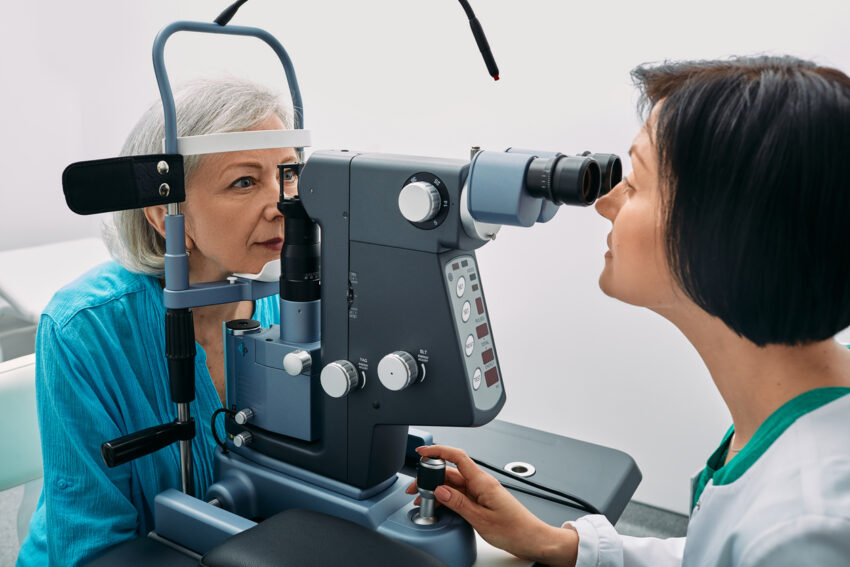
The National Eye Institute has provided educational tools and resources in both English and Spanish that focus on vision rehabilitation. Let’s explore these resources and how they can be beneficial for Latinos and all people!
What is Vision Rehabilitation?
Millions of people in the United States are living with visual impairments like blindness, glaucoma, cataracts, and other vision problems. “A visual impairment can make it hard to do everyday activities like driving or reading,” according to the National Eye Institue. “A visual impairment can’t be fixed with glasses, contacts, or other standard treatments like medicine or surgery.” Vision rehabilitation can help make the most of the vision you have and improve quality of life. There are lots ...
A stroke occurs when a blood vessel that carries oxygen and nutrients to the brain is either blocked by a clot or bursts. Every year, more than 795,000 people in the United States have a stroke. Many know the acronym FAST that helps identify a stroke – F (face drooping), A (arm weakness), S (speech), and T (time to call 911) – and can spur quick action to save lives. What can those who speak Spanish use? What does strokes in the Spanish-speaking community look like?
Using RÁPIDO to Identify a Stroke
While the FAST acronym can be helpful in spotting a stroke, it doesn't translate well in Spanish. In fact, just 58% of Latino adults in the U.S. can recognize stroke signs, compared to 64% of Black adults and 71% of white adults, according to a CDC ...