Por supuesto, nadie quiere escuchar que tiene cáncer. Pero si usted o alguien en su familia tiene un tumor cerebral, es normal pensar cómo será la vida con este diagnóstico. Esto es lo que llamamos “calidad de vida”, o el bienestar y capacidad para disfrutar y participar en la vida. “Para aquellos con un tumor cerebral, la calidad de vida puede incluir un rango amplio de dificultades físicas, psicológicas/sociales, y emocionales relacionadas a la pérdida de ciertas funciones y cambios de personalidad” según la Sociedad Nacional de Tumores Cerebrales (NBTS/SNTC). Desde la rehabilitación hasta la salud mental y recursos para volver al trabajo, profundicemos en la calidad de vida y qué significa para alguien con un tumor cerebral.
Enfrentando un ...
El soldado del Ejército Estadunidense,Tony Rentas, oriundo/originario de Puerto Rico, quien había soñado toda su vida con servir en el Ejército, sufrió una convulsión durante una misión en Kosovo. A Tony le diagnosticaron un glioma de bajo grado, un tipo raro de tumor cerebral. No tenía ni idea de lo que era un glioma de bajo grado. Así que empezó a buscar en Google. Encontró poco que le ayudará a entender este diagnóstico y lo que significaba para él y su familia, y aún menos estaba disponible en español. Por eso Tony está compartiendo su historia y participando en el Registro Internacional de Glioma de Bajo Grado, que tiene como objetivo aprender más sobre las mejores formas de tratar estos tumores en diferentes grupos de personas, incluyendo a miembros ...
U.S. Army soldier Tony Rentas, a native of Puerto Rico who dreamed of serving in the military all his life, had a seizure while on a mission in Kosovo. Tony was diagnosed with a low grade glioma, a rare type of brain tumor. He had no idea what a low grade glioma was. So, he started Googling. He found little that helped him understand this diagnosis and what it meant for him and his familia, and even less was available in Spanish. That is why Tony is sharing his story and participating in the International Low Grade Glioma Registry, which hopes to learn more about the best ways to treat these tumors across different groups of people, including members of the Hispanic/Latino community. “One of the biggest things that I wanted to do is help people as much as I can,” Tony ...
Durante su niñez en Puerto Rico, Tony Rentas soñaba con unirse al ejército de Estados Unidos. Quería servir a su país, dar un buen ejemplo a su hijo, y asegurarse que su familia tuviera el cuidado adecuado. En el 2009, se unió al Ejército de los Estados Unidos, haciendo realidad su sueño. Tony ejerció como especialista de inteligencia militar. A lo largo de una docena de años, fue desplegado dos veces, viajó alrededor del mundo, formó grandes amistades, experimentó diferentes culturas, ayudó a personas y proveyó para su familia. Luego, obtuvo una desgarradora noticia. Después de sufrir una convulsión del lóbulo temporal, Tony, -esposo y padre de dos hijos- fue diagnosticado con un glioma de bajo grado, un tipo de tumor cancerígeno en el cerebro, en junio del ...
Growing up in Puerto Rico, Tony Rentas dreamed of joining the U.S. military. He wanted to serve his country, set a good example for his son, and make sure his family was taken care of. In 2009, he joined the U.S. Army, making his dream a reality. Tony served as a military intelligence specialist. Over a dozen years, he deployed twice, traveled around the world, made great friends, experienced different cultures, helped people, and provided for his family. Then he got some harrowing news. After suffering a temporal lobe seizure, Tony – a husband and father of two children –was diagnosed with a low grade glioma, a type of cancerous brain tumor, in June 2020. “I remember walking out of that appointment, sitting in the car, just trying to process things. A couple of tears ...
School meals are getting healthier! The U.S. Department of Agriculture (USDA) has published its final rule to improve school food nutrition standards based on the Dietary Guidelines for Americans. The changes – supported by 438 Salud America! members and 74,000 people overall via public comments – include limiting added sugars (for the first time), reducing sodium, and emphasizing locally sourced fruits and vegetables. The updated rules will take effect starting July 1, 2024, but most changes will occur incrementally between fall 2025 and fall 2027. “The new standards build on the great progress that school meals have made already and address remaining challenges – including reducing sugar in school breakfasts. These updates also make it easier for schools to access ...
Did you know about 90,000 people are diagnosed with a primary brain tumor every year? Similarly, over 1.3 million people in the United States are living with a primary or secondary/metastatic brain tumor. For ourselves, our familia, and our comunidad, we should know a few important things about brain tumors so we can help all those impacted by a tumor diagnosis. Thankfully, the American Brain Tumor Association (ABTA) has amazing resources to help. Let’s explore and learn! Access this resource in Spanish!
1. Know the Types of Brain Tumors
A brain tumor is a growth of abnormal cells that have formed in the brain. But not all brain tumors are the same. “Some brain tumors are malignant (cancerous), while others are not (non-malignant, non-cancerous or benign). A ...
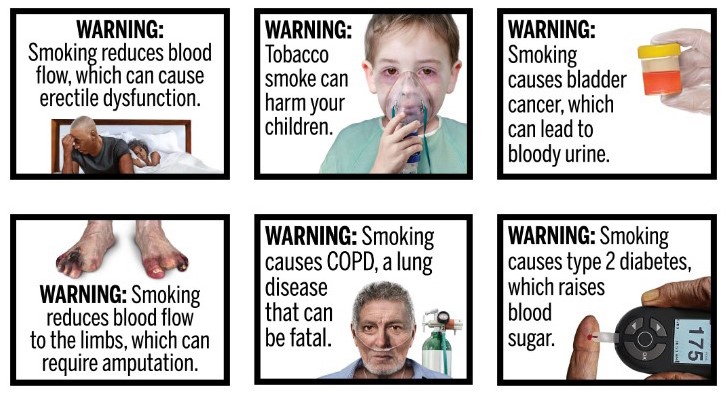
The U.S. Court of Appeals for the Fifth Circuit recently unanimously upheld the U.S. Food & Drug Administration’s mandate for graphic health warning labels on cigarette packs and advertising. The graphic health warning labels show written statements with photo-realistic color images depicting some serious health risks of cigarette smoking. Risks include impact to fetal growth, cardiac disease, diabetes, and more. In recent years, Salud America! members sent emails to FDA in favor of the labels. Now, the appeals court upheld the FDA requirement for the labels and rejected “arguments from R.J. Reynolds that the labels violate the First Amendment or take up too much space on packages,” according to the Public Health Law Center (PHLC). “In upholding the graphic ...
USDA has approved a final rule to improve nutrition and support breastfeeding in food packages in the Special Supplemental Nutrition Program for Women, Infants, and Children (WIC). The final rule includes these changes: Require WIC-eligible whole grain breakfast cereals contain a whole grain as the first ingredient.
Increase access to whole grains in breakfast cereal, bread, and grains, including "tortillas made with folic acid-fortified corn masa flour (once available in the marketplace)."
Expand whole grain options to include foods like quinoa, blue cornmeal, and teff to reflect dietary guidance and accommodate individual or cultural preferences.
Provide more convenience and options in the dairy category, including flexibility on package sizes and non-dairy substitution ...