Fresh fruits and plenty of vegetable options will now be offered in Duncan Public Schools in Stephens County, Oklahoma (7.3% Latino) starting this school year, according to a local article. The school is planning to continue following federal requirements on the menus but also plans to join a co-op of other school districts that will help the school save money and have greater purchasing power for healthier choices. Children eat almost half of their daily calories at school, so it is important to offer healthier options like fruits, vegetables, and whole grains.
The school will allow children to not only have a fresh salad bar daily but also offer students two to three choices of vegetables and fresh fruits.
Researchers from the Center for Disease Control and Prevention have ...
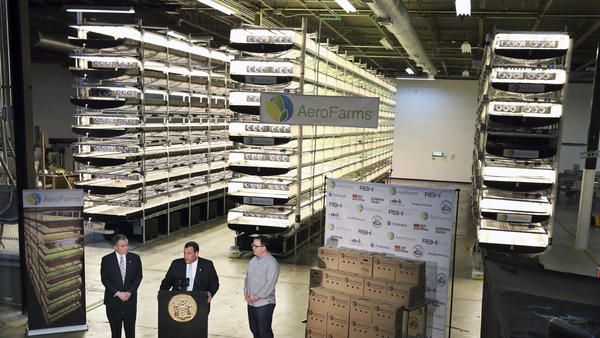
Would the millions of children suffering from hunger and food insecurity in the United States be healthier, and have homes full of fresh produce if we started re-designing old abandoned buildings to new-tech farms? AeroFarms, co-founded by Marc Oshima and David Rosenberg, vertical farm entrepreneurs, hope to build a way to bring more farm fresh produce to urban citizens, no matter what the weather. Planning to produce over 2 million pounds of fresh vegetables per year in an old New Jersey steel mill, they also see their business as a way to help the areas of Newark that are underprivileged. Rosenberg explained to the Chicago Tribune, that there are many areas of Newark (33.8% Latino) that do not have economic development or access to supermarkets, that's why they chose to put ...
Soda, sweet tea, energy drinks, sports drinks, all have something in common in Berkely, they are sugar-filled and taxed. The city's 1-cent-per-ounce excise tax, which began collecting taxes in March 2015, has now been shown to benefit public health efforts that helped support the tax. A new study, released Tuesday, 2016 in the American Journal of Public Health, reveals how over 2,679 people in low-income neighborhoods across San Francisco, Oakland and Berkeley, CA are increasing water consumption and decreasing soda consumption. Not only are people drinking more water, but millions of funds from the excise tax will now help schools with gardens and work to build more community nutrition and health efforts. Whether it's the soda tax or the awareness of the dangers of sugary drinks ...
Researchers in the Department of Public Health at Grand Valley State University in Grand Rapids, Mich. reveal that limited access to healthy food stores, walkable neighborhoods, and healthy social environments may set the stage for heart disease. In the study, researchers studied over 5,000 adults over a twelve year period, checking coronary artery calcium and amounts of atherosclerosis in their arteries, a disease that can harden arteries and increase the risk of heart disease. The common thread among the 86 percent of adults with coronary artery calcium, was the decreased access to heart-healthy food. Co-lead author Ella August, Ph.D., explained in a recent article that the only significant factor that deters or increases the risk of calcium build-up in the arteries were if ...
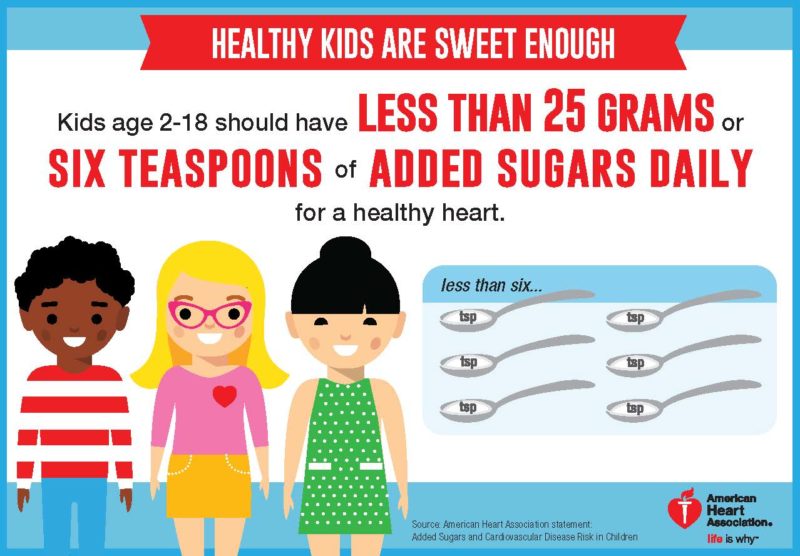
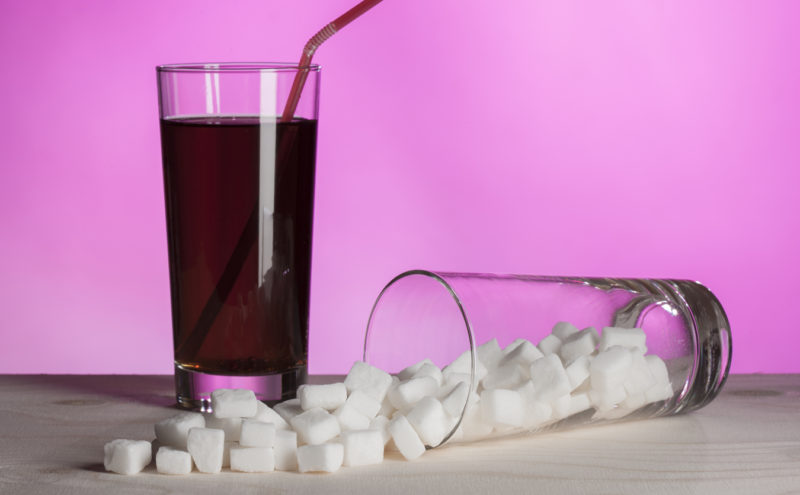
Sugar consumption is a huge factor in the nation's struggle with obesity, as many kids eat soda, snack foods and other foods with hidden added sugars on a daily basis. In fact, 74 % of Latinos have had a sugary drink by age 2 and about 22% of Latino high-school students have 3 or more sugary drinks a day. An average 20 oz soda contains around 16 teaspoons of sugar, that's almost triple the amount of sugar that is recommended! The American Heart Association (AHA) has now released new guidelines based on a scientific statement giving specific recommendations concerning children's intake of added sugars. The new guidelines offer helpful tips in understanding how much is too much when it comes to added sugars in foods and beverages. The AHA recommends: Children 2-18 consume ...
A new multi-phase school meal assessment process will help implement healthier scratch made meals for the next two years for students in Colorado's Fort Morgan school district (60.8 % Latino). Like various other districts across the state, Fort Morgan's School District plans to partner with LiveWell Colorado' LiveWell@School Food Initiative, a nonprofit movement funded in part by the Colorado Health Foundation, that helps offer schools a way to serve fresh foods made from scratch. The main goal of the initiative is to make sure kids have healthier school meals by 2022. The partnership with schools allows the initiative to go into cafeterias and teach culinary training for staff, provide new equipment, and offer tips on healthy recipe planning. The initiative has already helped ...
A new black stop sign label is being placed on packaged foods to help Chileans understand how much sugar, salt, fat, and calories are in their favorite foods. The increase of packaged food consumption has risen across all populations in Chile, states the local article, showing how Chile is now the world's largest per-capita consumer of sugary drinks, more than Mexico and the United States. Increased consumption of unhealthy packaged foods and sugary drinks along with half of the countries deaths being stomach and gallbladder cancers, has health officials concerned. A recent Swedish study revealed that people who consumed more than two sugary drinks a day had a higher risk of developing gallbladder tumors and 79% higher odds of getting biliary tract cancer. The labels are to ...
West Virgina's soft drink excise tax created back in 1951, taxes one cent for every 16.9 ounces. It is now being re-examined to see how the state can decrease soda consumption and generate more funds for Medicaid coverage, and higher education. Tara Holmes, summer research associate for the West Virginia Center on Budget and Policy explained in a recent article, that a once-cent-per-ounce tax would need to be implemented to both generate revenue and potentially bring down soda consumption. According to the local news, the state generated $15 million last year in current "soda tax" revenues, where funds go to medical, dental and nursing schools in the state. The state, however, is looking for more streams of revenue to fund Medicaid. The State of Obesity research reveals that ...
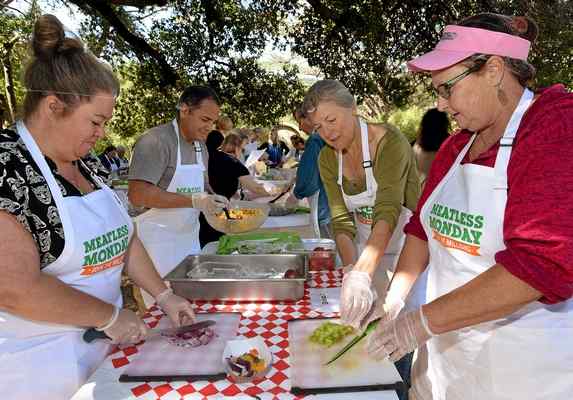
Since 2008, Novato school district stopped serving red meat for Humane Society's Meatless Monday initiative. Miguel Villarreal, director of the district's food and nutritional services told local news the initiative helps them save water. "When you do that math for 2,500 gallons of water per one pound of beef for 1,000 pounds of beef,...over the last eight years we have conserved like 3 billion gallons of water," Villarreal said. With over 4,000 students in the district receiving breakfast and lunch, keeping kids satisfied, and providing nutritious easy-to-make foods are important for the district. The district is now working on gearing up for the new school year with fresh new ingredients and recipes. Sofia Garcia, who works in one of the High School's cafeteria explained to ...