About the Author

Author Picture

Julia Weis

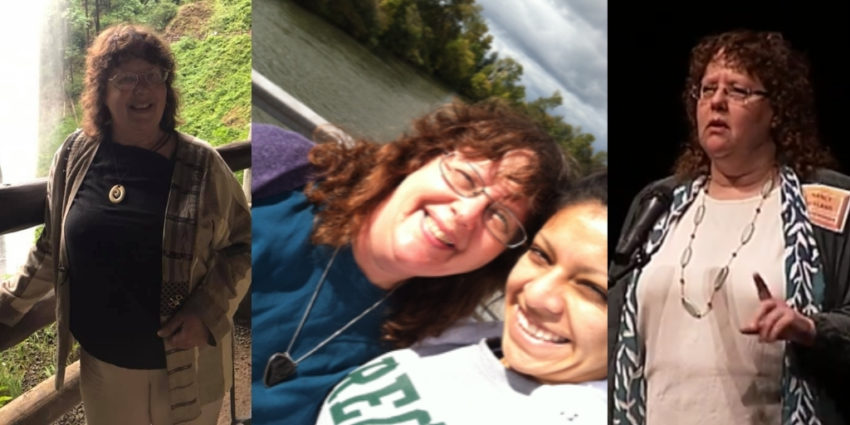
Julia Weis joined Salud America! and its home base, the Institute for Health Promotion Research at UT Health San Antonio, in September 2020. With a degree in Communication from Trinity University, Julia has previously worked in journalism, marketing, graphic design, and technical writing. She loves biking and hiking in the Central Texas outdoors and is passionate about environmental and social justice issues.


Connect with Julia:
Twitter Link

Articles by Julia Weis

Kathryn Karam: Acknowledging Your Own Bias as a Person of Color

kathryn karam

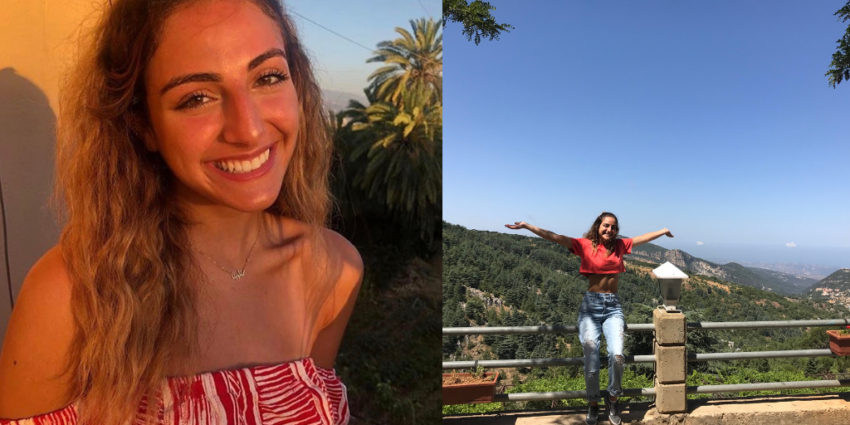
Kathryn Karam isn’t afraid to speak out against racism and discrimination. She thinks that everyone should address their implicit biases and that being a person of color doesn’t prevent you from having bias. That’s why Karam wrote a column for her college newspaper, The Collegian, last fall after the Black Lives Matter and George Floyd Protests to raise awareness about how people of color can have their own biases against Black people. Karam comes from a family of Middle Eastern immigrants, growing up in a culture where topics like politics were taboo. Now she’s a sophomore at the University of Massachusetts Amherst studying journalism and public relations, where she hopes to continue the conversation. Raised by Immigrants Karam grew up in the suburbs of Boston, in ...

Read More

New Program Brief Encourages Trail Use for Latino and Black Youth


Taking a walk or hike can be a great way to get outside and get in some physical activity. But what if your community doesn’t have access to hiking trails? The National Collaborative on Childhood Obesity Research (NCCOR) created a resource that identifies hiking and walking programs that encourage youth from underserved communities to get outside and hit the trails. The program brief looks specifically at Latino and Black youth, because they are more likely to experience health disparities related to lack of physical activity and are at risk for health complications later in life. What’s in the Program Brief? NCCOR identifies nine programs that successfully reach diverse groups and produce positive health outcomes. The programs meet the following criteria: highlighted on ...

Read More

Proposed Federal Job Guarantee Policy Could Address Labor Inequities for Latinos


People of Color Feel Social Determinants Health Twitter

Some members of Congress want to help bring equity to employment. Congresswoman Ayanna Pressley of Massachusetts introduced a resolution for a Federal Job Guarantee, a policy intended to make the economy more inclusive and equitable, closing racial and gender income gaps. “The resolution, which builds on the legacy and work of generations of Black women in the Civil Rights Movement, will help the United States achieve the promise of full employment, ensure a just, equitable recovery, establish a more resilient and inclusive economy, and begin to close racial and gender income gaps,” according to Pressley’s press release. If passed, the resolution could bring down unemployment rates that were exacerbated by the COVID-19 pandemic and fight systemic inequities in the ...

Read More

Farmers Market Coalition Building an Anti-Racist Toolkit


Farmers markets are thought to be great options for communities to support local farmers and buy healthy, organic food. But what role do farmers markets have in addressing food justice and racial inequity? Farmers markets should take an active role in addressing structures and policies that perpetuate inequities and discrimination, according to the Farmers Market Coalition, a nonprofit dedicated to supporting farmers markets and providing income opportunities for farmers. That’s why Farmers Market Coalition created an anti-racist toolkit. What the Anti-Racist Toolkit Has to Offer The Farmers Market Coalition is teaming up with Sagdrina Jalal, senior director of partnerships and programs at the Center for Civic Innovation in Atlanta, Nedra Deadwyler, a public historian and ...

Read More

Study: Dementia Increases Risk of COVID-19


Dementia and COVID risk

A new study led by researchers at Case Western Reserve University found that people with dementia are at a higher risk of contracting COVID-19. People with dementia were also more likely to be hospitalized and die from COVID-19 than those without dementia. The study is one of the largest studies on COVID-19 and dementia, examining millions of medical records in the U.S. to draw conclusions. Researchers found that people of color with dementia were more likely to contract COVID-19 than white people with dementia, likely due to the disproportionate burden that communities of color have faced throughout the pandemic. However, the study mostly analyzed Black people with dementia compared to white people, highlighting the need to increase Latino participation in dementia ...

Read More

#SaludTues Tweetchat 2/23: Helping People who Face Challenges


Advocate for People with Disabilities

COVID-19 has highly impacted people with disabilities. Even before COVID-19, many challenges have made life hard for people with disabilities, whether in the workplace, classroom, or doctor’s office. Join #SaludTues on Feb. 23, 2021, at 1:00 PM EST to tweet about how we can help people with disabilities. WHAT: #SaludTues Tweetchat: “Helping People Who Face Challenges” DATE: Tuesday, Feb, 23, 2020 TIME: 1:00-2:00 p.m. EST (10:00-11:00 p.m. PST) WHERE: On Twitter with hashtag #SaludTues HOST: @SaludAmerica CO-HOSTS: @Respect_Ability, @NCHPAD, @HA_Summit Be sure to use the hashtag #SaludTues to follow the conversation on Twitter/X and share your stories and resources. #SaludTues is a Tweetchat on Twitter/X that focuses on a variety of different health ...

Read More

How Has COVID-19 Affected People with Disabilities?


People with disabilities affected by COVID

We know that COVID-19 can impact anyone. But some people are more likely to be infected based on their jobs, living situations, and health conditions. One of those groups is people with disabilities. People with disabilities are highly impacted by COVID-19. Latinos with disabilities are at even higher of a risk. Advocates are asking state health departments to prioritize people with disabilities to get the COVID-19 vaccine, but most states are keeping the initial phases to people over 65, regardless of chronic illness. How are people with disabilities affected by COVID-19 and how can we advocate for equity? How are People with Disabilities Impacted During COVID-19? One way that people with disabilities are impacted by COVID-19 is through potential exposure from home care ...

Read More

5 Ways to Build Trust and Address COVID-19 Vaccine Hesitancy


build trust address vaccine hesitancy

As healthcare providers and medical institutions move forward with COVID-19 vaccine distribution, vaccine hesitancy continues to be an issue. Public acceptance of the COVID-19 vaccine is important because it’s the safest and best way to reach herd immunity and end the pandemic once and for all. Unfortunately, that will only happen once at least 75 to 85% of the population is vaccinated and immune, according to experts like Dr. Anthony Fauci, the nation’s leading infectious disease expert. Vaccine hesitancy is especially prevalent in communities of color, like Latino and Black communities, who may be distrustful of the government and the process behind the vaccine. What are ways that we can build trust among these communities and address vaccine hesitancy? Let’s take a ...

Read More

Nancy Willard: Teaching Personal Empowerment and Resilience to Fight Bullying


Nancy Willard knows that the way educators are taught to handle bullying isn’t working, especially when it comes to cyberbullying. That’s why she’s written several books on bullying prevention and digital safety, including the first book ever published on cyberbullying. Willard is a former attorney and special education teacher in Veneta, Oregon who has dedicated her career to empowering students and families to stand up to bullies. She also taught those empowerment skills to her adopted Guatemalan daughter. Now she wants to help schools build more culturally relevant anti-bullying programs, especially when the COVID-19 pandemic ends and more schools return to in-person learning. A Background in Computer Law and Special Education Before working on building student ...

Read More