by
by 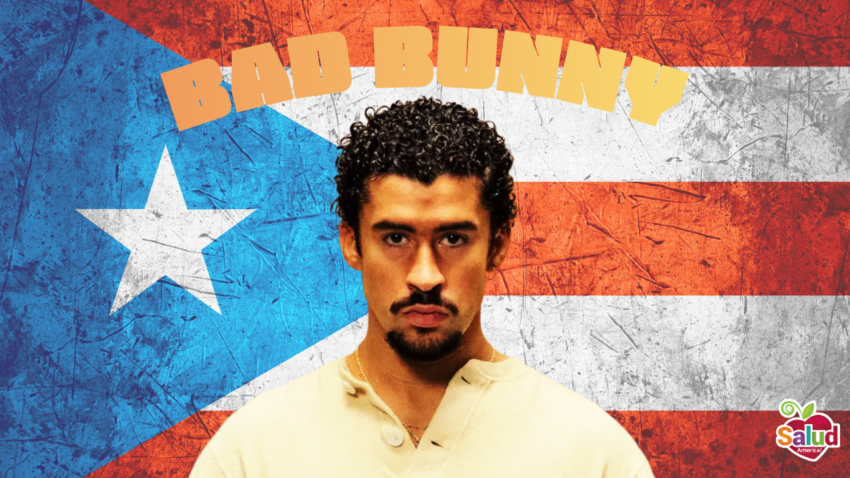
Share On Social!
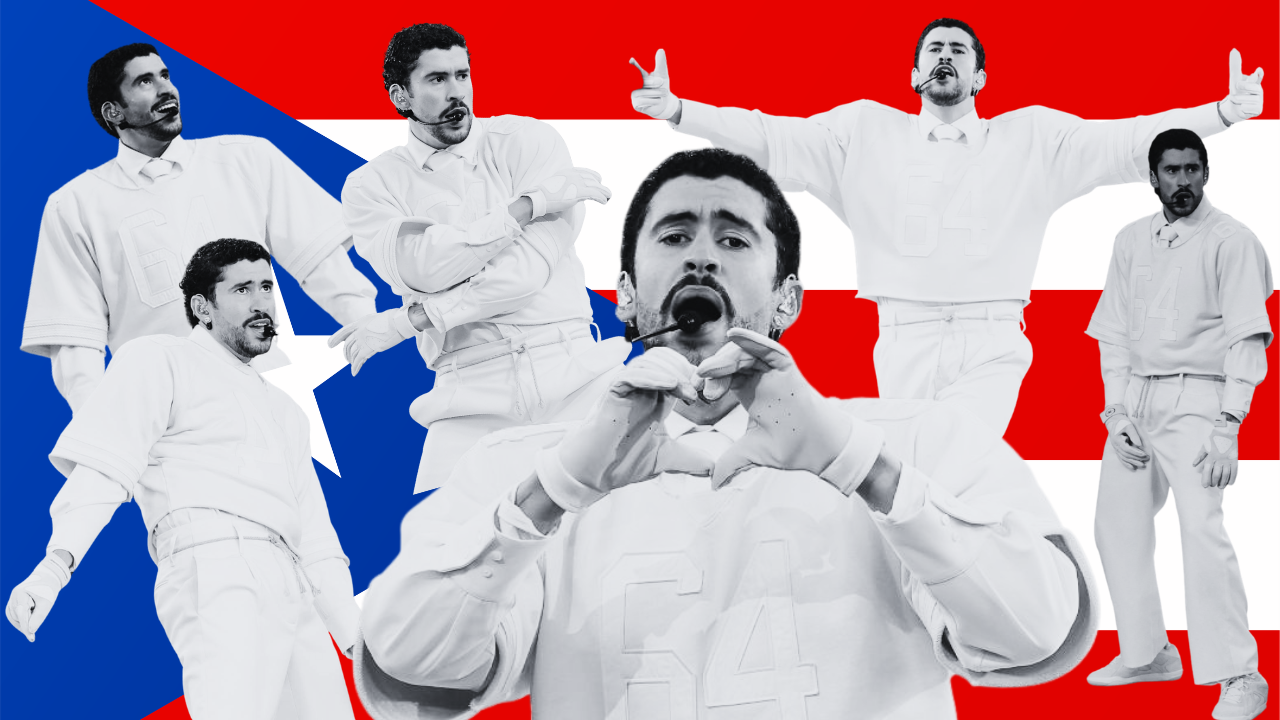
In 13 minutes, audiences caught a glimpse into the vibrant colors, unique island sounds, and iconic cultural symbols synonymous with Puerto Rico.
Viewers traveled through the towering sugar cane fields to la casita for a party de marquesina then to Castillo San Felipe del Morro for a wedding followed by a trip to Toñitas in New York for drinks and fixing downed power lines.
For many, the 2026 Super Bowl Half Time Show was a performance, but for others it was a love letter to Puerto Rico on center stage at the biggest musical event of the year.
And Bad Bunny was the conductor.
As the show came to a close, Bad Bunny wielded a football at the screen that bared the words, “Together we are America,” and uttered the phrase, “Seguimos aquí.”
We’re still here.
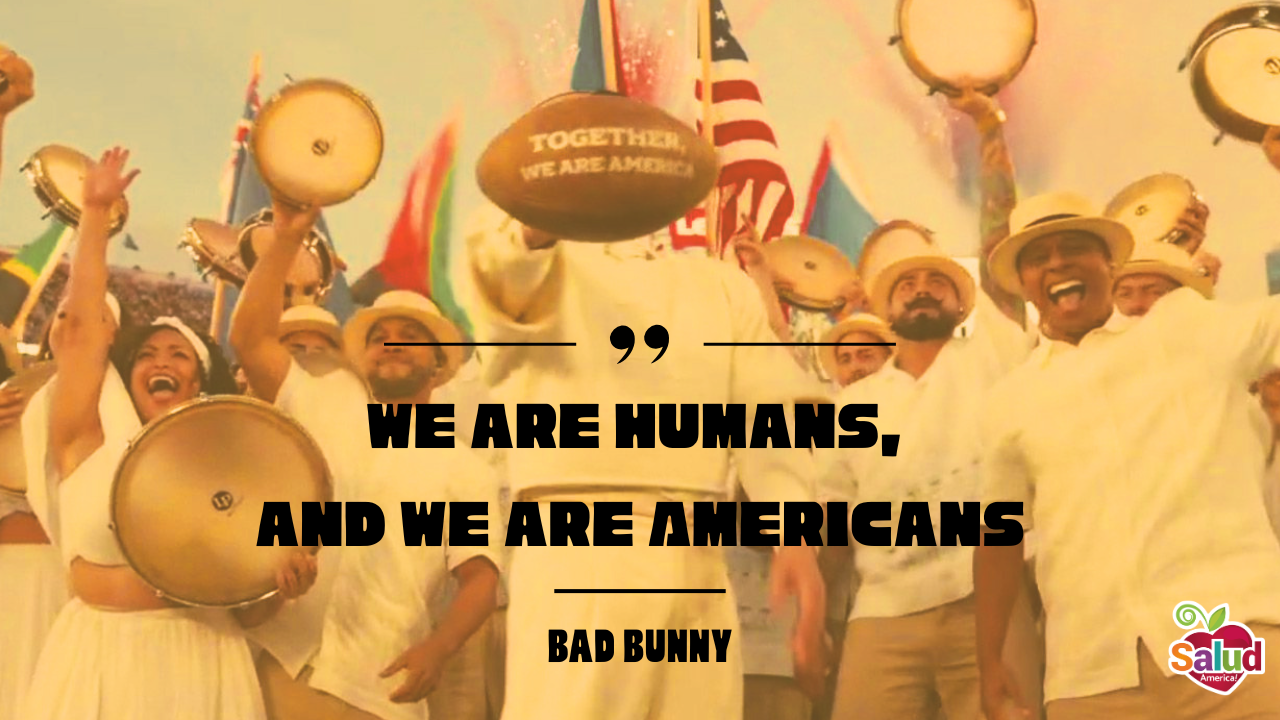
“We are humans and we are Americans… Hate gets more powerful with more hate. The only thing that is more powerful than hate is love. We need to be different … if we want to fight, we have to do it with love. We don’thate them, we love our people,” said Bad Bunny during his 2026 Grammy Award acceptance speech.
In a single performance at the Super Bowl, Bad Bunny introduced the world to Latin culture, the Latin trap and reggaeton musical genres, the Spanish language, and some of the issues plaguing the Latino population.
He was also the first to do it.
While the Puerto Rican entertainer is best known for captivating audiences with his music and style, to countless Latinos and fans everywhere he’s a hero using his voice to bring awareness.
Bad Bunny’s Puerto Rican Roots
Before he was Bad Bunny, he was known to those around him as Benito Antonio Martínez Ocasio, according to Biography.
Benito was born on March 10, 1994, in Vega Baja, Puerto Rico, and was raised in a lower middle-class upbringing.
His father was a truck driver, his mother taught English, and he grew up alongside his two brothers, Bernie and Bysael.
The rapper grew up listening to reggaeton, a popular music genre that blends hip-hop and reggae.
He also familiarized himself with other types of music, including salsa, merengue, and rock.
These musical influences would play a large part in his unique musical style.
But that wasn’t the only childhood experience that would play a pivotal role in his music career.
A hilarious encounter with a bunny costume at a young age would lend itself to his super-star persona.
“I felt that I had to do something different and creative,” he told ET in 2018. “When I was a little boy in school I had to dress up as a bunny and there’s a picture of me with an annoyed face, and when I saw it, I thought I should name myself ‘Bad Bunny.’ It’s a name I knew would market well. A bunny is something so common that I thought to myself, every time someone sees one, they’ll remember my music.”
At the age of 13, Benito sang in his church choir then began experimenting with beats and free-styling.
Benito would go on to enroll in the University of Puerto Rico’s audiovisual communication program at their Arecibo campus and supported himself through school as a grocery bagger at a local supermarket.
Bad Bunny Launches His Music Career
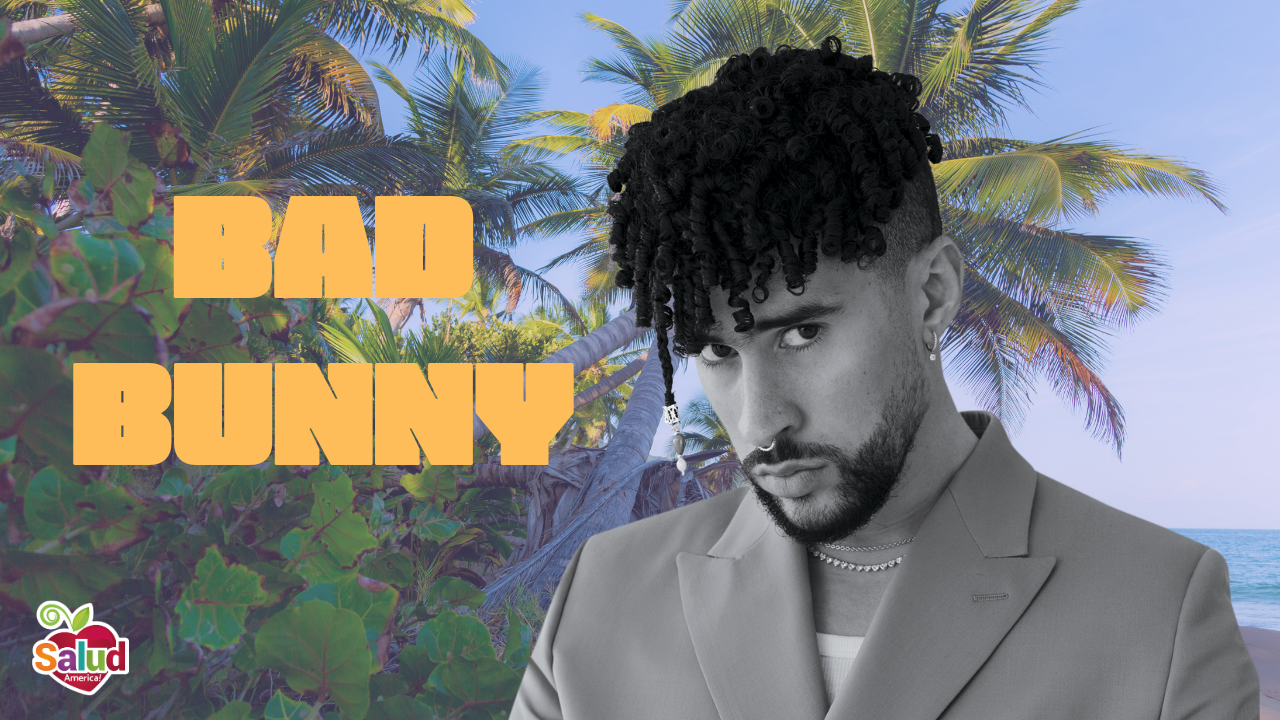
Benito burst onto the music scene as an independent artist publishing his music on the popular audio platform SoundCloud while he was still in college.
His songs, particularly “Diles,” grew quickly in popularity and captured the attention of music producers in 2016.
After finding representation, he and his manager devised a unique approach to bring the record companies straight to him.
The pair began uploading a series of Spanish-language singles and videos on YouTube, including “Pa Ti,” “Loco Pero Millonario,” and “Sensualidad.”
Those singles were followed up by a collaboration with rapper Cardi B and J Balvin on the Grammy-nominated song, “I Like It,” which quickly shot up to No. 1 on the Billboard Hot 100.
The release of the artist’s first studio album, X 100PRE, toward the end of 2018 solidified his rise to super stardom.
The album spent 46 weeks on the No. 1 spot on the Billboard’s Top Latin Albums chart.
Benito followed up with another collaboration with J Balvin, which earned the duo a Grammy nomination for Best Latin Rock, Urban, or Alternative Album.
From that point on, Bad Bunny has been a critically acclaimed and in-demand music artist with no signs of slowing down.
Bad Bunny Is the King of Latin Trap
Bad Bunny kicked off 2020 with a bang, joining Shakira, Jennifer Lopez, and J Balvin on the world stage for his first NFL Super Bowl halftime performance.
A few weeks later he dropped a reggaeton album, YHLQMDLG, which stands for Yo Hago Lo Que Me Da La Gana and translates to “I do whatever I want”
The album won a Grammy for Best Latin Pop or Urban Album.
In May he released Las Que No Iban a Salir.
Later in the year, Bad Bunny dropped another single “Dakiti,” which spent 27 weeks at the top of Billboard’s Hot Latin Songs chart.
The artist capped the year with a third album release and achieved international success.
El Último Tour del Mundo became the first all-Spanish album to debut at No. 1 on the Billboard 200 and then won Best Música Urbana Album at the 2022 Grammys.
Bad Bunny released his fourth studio album, Un Verano Sin Ti, in May 2022. The album achieved similar success as his previous album, only this time, it earned a Grammy nomination for Album of the Year — the first time a Spanish-language album was nominated.
2023 brought the release of Nadie Sabe Lo Que Va a Pasar Mañana, which translates to “nobody knows what will happen tomorrow,” and featured the hit single “Un Preview.”
The rapper’s latest work Debí Tirar Más Fotos was Bad Bunny’s musical tour de force.
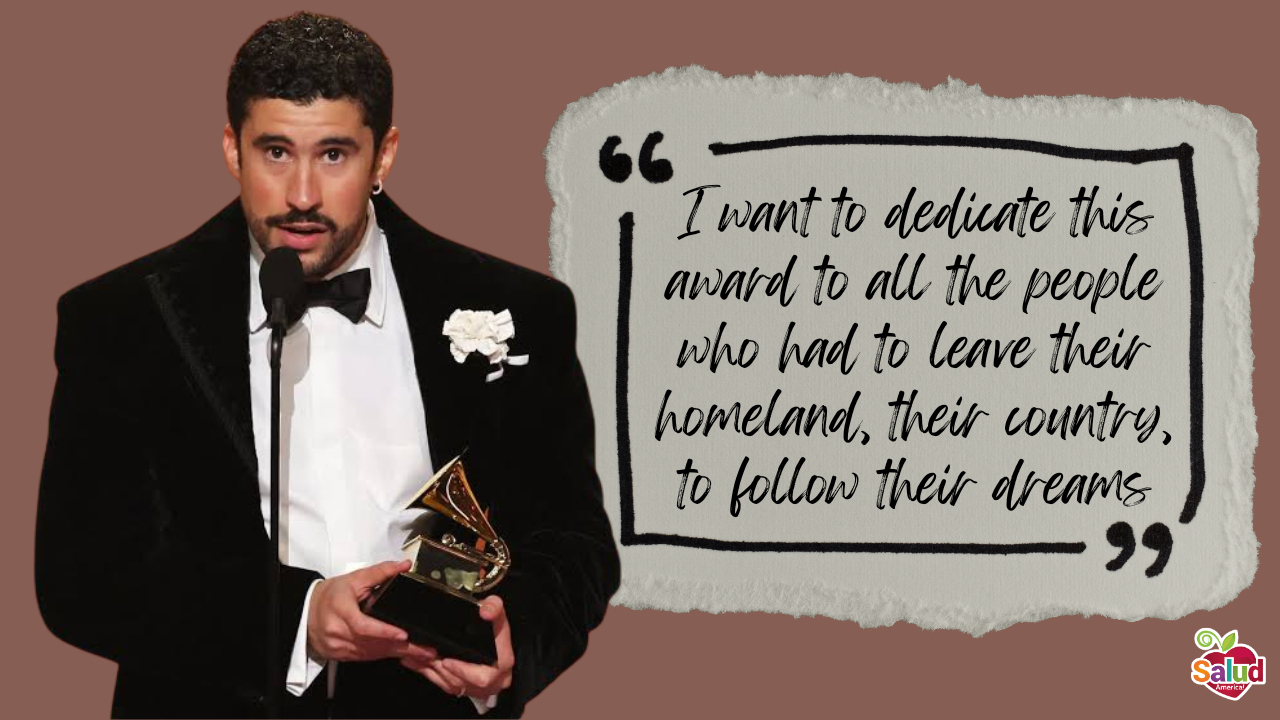
The album, which featured hits such as “DTMF” and “Baile Inolvidable,” became the first Spanish-language album to receive Album of the Year at the 2026 Grammy Awards.
“I want to dedicate this award to all the people who had to leave their homeland, their country, to follow their dreams,” he said in his acceptance speech.
Through his music, Bad Bunny has increased international visibility for the genre, earning him the moniker “The King of Latin Trap.”
Honoring Bad Bunny’s Latino Heritage
Despite his global success, Bad Bunny continues to stay true to his humble Puerto Rican roots.
In fact, his love for Puerto Rico is a common theme throughout his music.
Bad Bunny is constantly honoring the places, food, traditions, and symbols that embody and celebrate Puerto Rican life.
He often references neighborhoods, beaches, and slang that help listeners ground themselves in the Puerto Rican experience.
Puerto Rican themes also seep into the imagery of his music videos and album covers, creating an immersive and entertaining glimpse into the vibrant colors and sights that are unique to the island.
The musician brings Puerto Rico to life for his audience through audio, utilizing rhythms and sounds that helped shape Puerto Rican music. By combining traditional with the new, Bad Bunny in honoring the past while helping shape the present and future.
“There are people who listen to reggaeton and love it, and at the same time, they have never felt [seen] within it. In 20 or 30 years, nobody had worried about that, but I did,” he said.
There are very few artists that embrace their heritage, identity, and language, but Bad Bunny has made that his entire personality.
The pride he feels in his Puerto Rican heritage comes out in every facet of his role as a performer, including in his wardrobe.
Challenging stereotypes and pushing the boundaries of fashion with his ensembles is a hallmark of the rapper’s identity, but there’s one particular call back to Puerto Rico that has become a staple in his wardrobe.
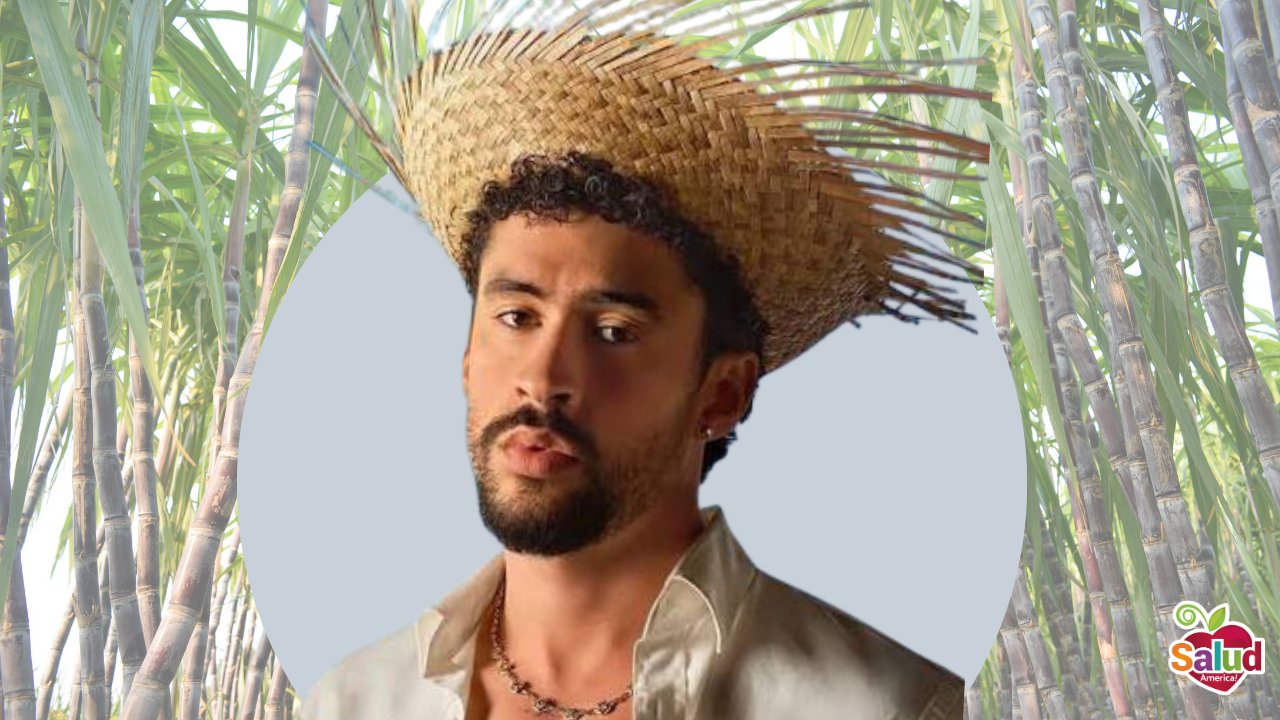
And that’s his signature straw hat.
Known as a pava, the hat, which is comprised of woven palm leaves, is a symbol of Puerto Rican culture and is often worn by rural Puerto Rican farmers.
Farming is a prevalent industry in Puerto Rico and is both a source of pride and identity for the people who call the country home.
By honoring these symbols of Puerto Rican culture, Bad Bunny is sharing his homeland, culture, and language fans and listeners around the world — gaining a new understanding and respect for Puerto Ricans and all Latinos.
“It makes me really proud to get to this level by speaking in Spanish, and not only in Spanish, in the Spanish we speak in Puerto Rico, without changing my accent,” he said.
Bad Bunny’s Activism
Bad Bunny’s international reach and fame has given the performer a platform to raise awareness about issues that he holds near and dear to his heart.
One of his biggest causes is drawing attention to living imbalances in Puerto Rico, especially regarding a massive storm that caused long-term power outages for millions of residents.
He also continues to challenge and defy traditional roles and norms in the Latino community with his fashion choices and painting his nails.
“Latino culture is very machista,” Bad Bunny told GQ. “That’s why I think everything that I’ve done has been even more shocking. … Urban Latin music, reggaeton, is a genre where you have to be the manliest, the baddest. That’s why it’s the most shocking too.”
In the same vein, he frequently calls for fairness for the Puerto Rican community.
The singer has also been outspoken about leadership of Puerto Rico and mistreatment of non-citizens in the mainland.
During the COVID-19 pandemic, he helped raise morale in New York City by performing on a truck going through the city and singing to front line health care workers.
Bad Bunny also supports community charities, including ones that help children in poverty.
Whether through music, his fashion choices, or being a voice for those who need it most, Benito has always remained his authentic self. That’s how he hopes history remembers him.
“I want people to remember me as someone genuine, someone with a big heart. For being myself. That’s what leaving your mark is about, doing something that represents who you really are,” he said.
Explore More:
Embracing All PeopleBy The Numbers
44
million
immigrants live in the United States
This success story was produced by Salud America! with support from the Robert Wood Johnson Foundation.
The stories are intended for educational and informative purposes. References to specific policymakers, individuals, schools, policies, or companies have been included solely to advance these purposes and do not constitute an endorsement, sponsorship, or recommendation. Stories are based on and told by real community members and are the opinions and views of the individuals whose stories are told. Organization and activities described were not supported by Salud America! or the Robert Wood Johnson Foundation and do not necessarily represent the views of Salud America! or the Robert Wood Johnson Foundation.