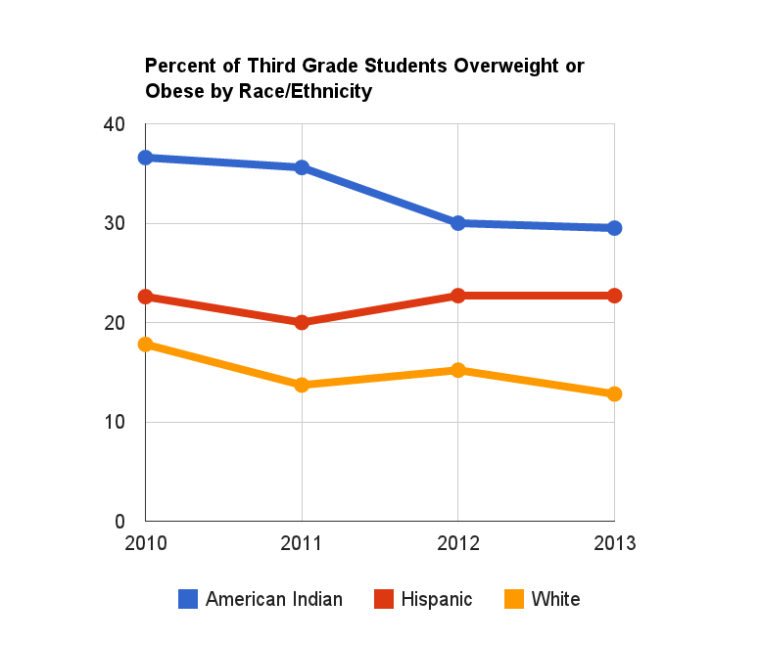
Santa Fe, New Mexico (51.2% Latino) is still struggling with increasing rates of obesity among children and adults, where reports detail 28.8% percent of adults in the state are obese and 25.6% of kindergarten students were obese or overweight in 2015. The 2015 report from the New Mexico Childhood Obesity Update, revealed that third graders and kindergarten rates of obesity have decreased by 10.6% over six years, but the majority of students in New Mexico, namely Hispanic students, have experienced very little decline in rates of obesity over the last six years. Many in school efforts around healthier foods, and physical activity helped decrease the continued rising rates of childhood obesity, but now other efforts around sugary drink consumption are being discussed. Mayor ...
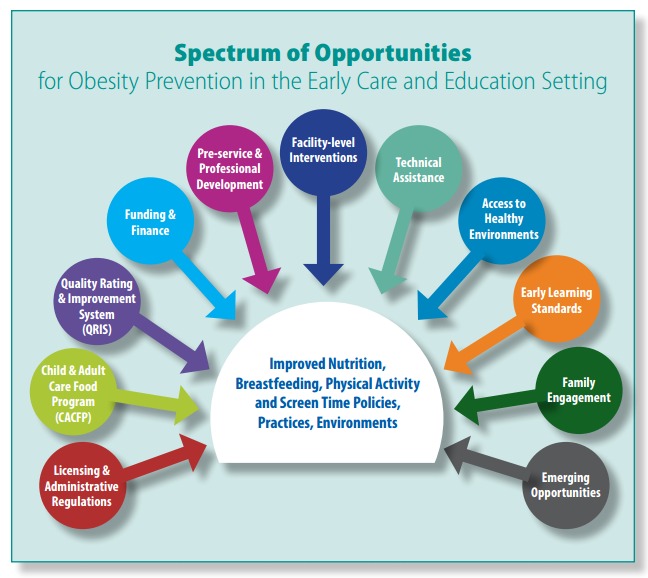
One of four U.S. kids is already overweight or obese by age 2-5, with a higher prevalence among Latino kids (30%) than white kids (21%). This is a problem because children aren't "outgrowing" overweight and obesty. Children who are overweight when they enter kindergarten are four times more likely to be obese in 8th grade compared to their peers who are normal weight. Because 64% of children 3 to 5 years of age are cared for weekly in non-parental care arrangements, early care and education (ECE) is a critical setting to address childhood obesity. In 2016, the CDC released the first-ever state indicator report looking at state efforts to address childhood obesity in ECE. The Early Care and Education State Indicator Report looks at how The Spectrum outlines 11 unique ...
Latino kids are more likely to start smoking and develop a daily habit than other kids, according to a new study, Reuters reports. The study, led by Sherine El-Toukhy of the National Institute on Minority Health and Health Disparities, examined "smoking susceptibility," which precedes smoking behavior, of almost 144,000 non-smoking youth ages 9-21 from 1999 to 2014. Overall, the amount of smoking susceptibility rose from 21% to 23% over those 15 years. But smoking susceptibility varied by race/ethnicity: For Latino kids, it rose from 22% to 28%.
For white kids, it held steady at about 21%.
For black kids, it dropped from 21% to 17% in 2003, but rose back to 20% in 2014. Latino kids overall appeared to be as much as 67% more susceptible to smoking than white kids, ...
The next Open Enrollment cycle for the Affordable Care Act (ACA) is about to get under way and millions of Americans are expected to take advantage of the opportunity to purchase healthcare coverage through the Marketplace. Department of Health and Human Services (HHS) Secretary Sylvia Burwell anticipates 13.8 million people will be signing up for coverage before the end of Open Enrollment. “We’re confident that millions of Americans will choose to enroll when they learn that quality, affordable health insurance is within reach,” Burwell said in a press release. “We believe 13.8 million sign-ups during the upcoming Open Enrollment will help keep driving down the national uninsured rate, which is already the lowest in our nation’s history.” Since its inception, the ACA ...
After the World Health Organization suggested a 20% tax on sugary beverages for all countries, Portugal announced three days later a plan for a sugar tax on soft drinks for 2017, estimated to raise 80 million euros for public health services. Sugary drinks other than sodas like flavored milks or fruit juices will not be taxed, however all sodas are planned to be taxed that have a sugar content above 80 grams per litre. Back in November 2015, Portugal's center-right government tried to introduce a tax on sugar, drinks and foods that contained high amounts of sugars or too much salts but the efforts fell unnoticed. Trying again the political battles will fuel out the battle to determine the sugar tax and ultimately impact the future health of their country. Continued ...
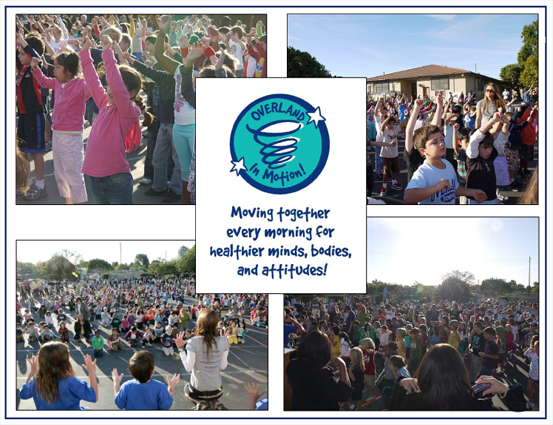
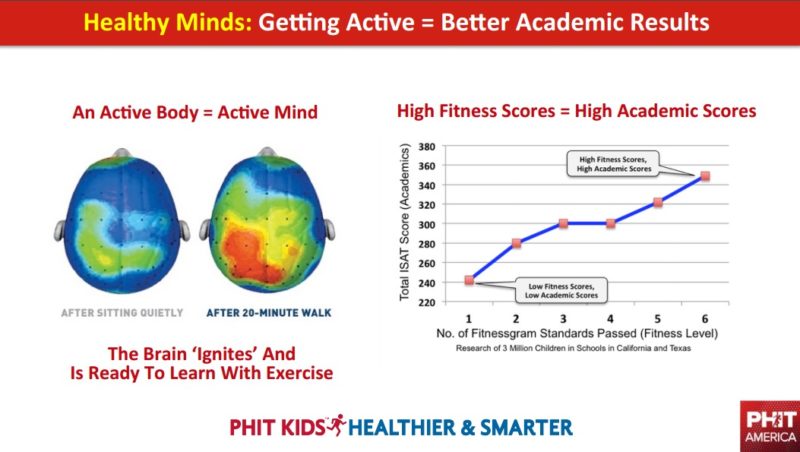
Physical activity is linked with academic achievement; however, Latino schools and neighborhoods often have fewer opportunities for kids to be active. Many Latino schools across the country are trying to get students more active to improve student performance and reduce health disparities. Kids who receive physical education (PE) in school are more active outside of school, according to the Physical Activity Council (PAC). The Academy for Enriched Sciences in the San Fernando, California (92.5% Latino), for example, began implementing the My School in Motion program to get kids moving before class starts. The My School in Motion is program was founded by a mother, Apryl Krakovsky, who wanted to support her child's school in meeting the state's requirements of PE. The ...
PHIT America shares 10+ Research Projects on how physical activity improves academic performance. University of Illinois – “Physically Fit Kids Have Beefier Brains”
University of Illinois Urbana – “How Exercise Can Boost Young Brains”
Dartmouth – “12 minutes of exercise improves attention and reading comprehension”
Purdue University – “Kids working out get better grades”
Medical University of South Carolina – “P.E. actually helps academic scores”
University of Hindenburg – “More physical activity improved school performance”
Dundee University – “Moderate to vigorous exercise boosts academic performance”
Strathclyde University – “Regular exercise improves children’s academic results”
University of Western ...
Millions of people attend conferences and conventions throughout the world every year and eat whatever is on the planned list for meals. Unfortunately, a new report from the Center for Science in the Public Interest (CSPI) found that there are very few "healthy" options in regards to menu options at these large hotel and convention centers. Reviewing over 70 hotel properties in the 25 largest U.S. cities, CSPI found most options that were considered "healthy" were not based on specific nutrition criteria. In fact, some meals labeled as "healthy" included desserts or pastries, which are often high in fat, calories or sugars. Fortunately, soft drinks were often in most hotels not included in the beverages included in conference or meeting catering options. On the other hand, ...
What happens in a state where half of people are Latino, but only 5% of doctors are? It means not enough doctors with the cultural competency and understanding of the Latino community to adequately serve them—like in California right now. That is why the Latino Physicians of California professional group and others are urging increased representation of Latinos in the medical field, according to California Healthline. Complicating matters is that, in California: Latinos represent only 8% of nurses;
Latino represent only 4% of pharmacists;
More than one-third of current doctors are expected to retire within 10 years; and
Latinos make up a small percentage of graduating medical students. “If we are going to properly serve our current and future patient base, we ...