U.S. Latinos have high risk of pre-diabetes, diabetes, and diabetic eye disease. But why? What can we do to stop it from happening? Let’s use #SaludTues to tweet in English and Spanish information, resources, and tips that can empower Latinos to prevent, reduce, and manage diabetes: WHAT: #SaludTues Tweetchat: Diabetes & Latinos
TIME/DATE: 1-2 p.m. ET (noon-1 p.m. CT), Tuesday, Oct. 18, 2016
WHERE: On Twitter with hashtag #SaludTues
LANGUAGE: English and Spanish
HOST: @SaludToday
CO-HOSTS: Vida Saludable by the American Heart Association (@AHA_Vida) and Ventanilla de Salud in Washington, D.C. (@VDSalud_DC) We’ll open the floor to your stories and experiences as we explore: Why is knowing about diabetes important for Latinos?
What are the ...
San Antonio researchers are developing a bilingual, culturally relevant phone app and navigation services to help local breast cancer patients stick with their prescribed therapy. The one-year, $200,000 study, led by Dr. Amelie G. Ramirez of the University of Texas Health Science Center at San Antonio and funded by Susan G. Komen, will recruit 120 breast cancer patients at the Cancer Therapy and Research Center who are receiving endocrine hormonal therapy. Endocrine hormonal therapy is the most widely prescribed treatment for about three-fourths of all breast cancer cases. Many patients fail to take their medication as prescribed, and face higher risk of cancer recurrence. For the study, half the women will get access to the app and a patient navigator, who would help with ...
Roughly one out of every 13 children in the New York City public school system is now homeless. This shocking information was uncovered in a new report by the New York City Public School System on its homeless student population. These numbers include students living in the public shelter system as well as in other “temporary” living situations, such as staying with friends or relatives. The report, entitled “Not Reaching the Door: Homeless Students Face Many Hurdles on the Way to School,” found that the majority of the programs that were designed to help these transient students are “insufficient” or “poorly executed.” In New York City (28.82% Latino population), this group of students is already at high risk and they now face very tall educational obstacles. Figuring ...
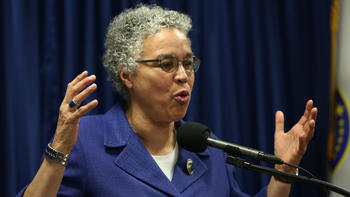
Soda tax discussion in Cook County, Ill. (28.9 % Latino) started to bubble up as Board President of the county, Toni Preckwinkle discussed a proposal for a penny-per-ounce tax to help balance the budget. As the city is fighting debts in the budget, the tax would be applied to help raise an estimated $74.6 million to help fill a $174 million gap, explains, The Chicago Tribune. The American Beverage Association continues to fight against soda taxes in Philadelphia, San Francisco, and Boulder and has already started running TV and radio ads against the tax in Cook, calling it a "grocery tax" as mentioned in other arguments. Other organizations like the, No Cook County Beverage Tax Coalition, also bringing attention to the tax do not to mention anything about how the tax is solely on ...
U.S. Latinos are especially vulnerable to health threats posed by climate change because of where they live, work and lack access to health care, according to a new report. The report, led by the Natural Resources Defense Council (NRDC), is an English and Spanish review of dozens of U.S. studies and reports on the health and economic impacts that Latinos face as a result of climate change. Results include: A majority live in California, Texas, Florida and New York, states that are among the most affected by extreme heat, air pollution, and flooding.
Latinos are heavily represented in crop and livestock production and construction, where they’re at elevated risk from climate-change-boosted extreme heat. They are three times more likely to die on the job from excessive heat ...
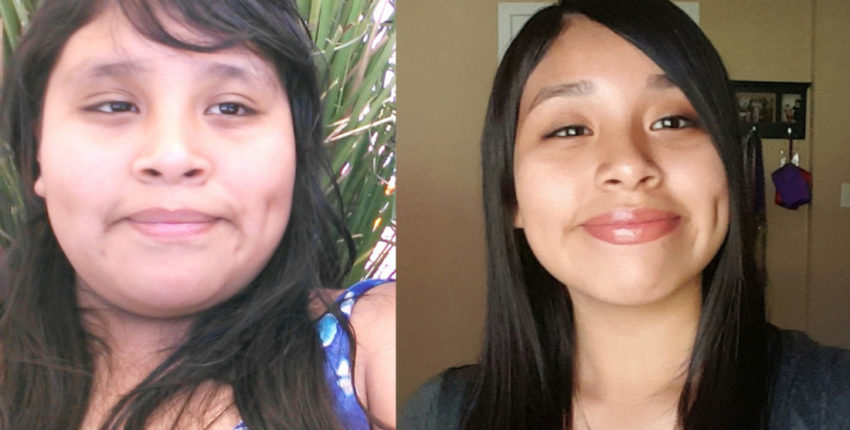
Maryflor Peña empezó a aumentar de peso cuando estaba en sexto grado. Estaba comiendo más de todo — más pasta, más panqueques, más tacos. Para el séptimo grado, había aumentado 65 libras. Los exámenes de un chequeo médico indicaron que el cuerpo de la niña de 12 años padecía de presión arterial alta, colesterol alto y un hígado graso — condiciones comunes en niños y adultos que tienen sobrepeso o son obesos. Un especialista en pediatría le dijo a Maryflor y a sus papás que los dados ya estaban echados: Maryflor tenía que empezar a comer saludablemente y hacer ejercicio o estaría condenada a un futuro de enfermedad de corazón y diabetes. Para ayudar a su hija, Ana Villalva y Marco Antonio Peña pidieron el apoyo de sus otros cinco hijos. Todos los miembros de la ...
Research has long shown that U.S. Latinos face higher rates of diabetes and obesity. But are there differences among Mexicans? Cubans? Puerto Ricans? The Hispanic Community Health Study/Study of Latinos (HCHS/SOL), the first long-term study to look exclusively at the health of Latinos, is studying heart disease, obesity, and diabetes among a cohort of more than 16,000 U.S. Latino adults of Mexican, Cuban, Puerto Rican, Dominican, South American and Central American heritage in the Bronx, Chicago, San Diego and Miami areas, the American Heart Association (AHA) reports. For diabetes, a study of this cohort found that adults of South American heritage have the lowest rate of diabetes. Only about 10 percent of them have diabetes compared with about 18 percent of persons of ...
When city leaders in Loretto, Tenn. (2% Latino) began discussion of closing the city's only pool, residents turned to social media to stay informed and engaged, and they won. Swimming may be most the promising activity to get and keep Latino kids active in and out of school. In 2011, the Loretto City Pool closed because of safety concerns. In early 2013, Loretto residents started a Facebook page to get a new pool built. Through the “Save the Loretto City Pool” Facebook page, residents stayed informed of city council meetings and project updates and encouraged each other to attend public meetings. The Loretto Parks and Recreation Department conducted a needs assessment asking residents what the top three priorities were over the next five years when it comes to parks and ...
Young children often look to their parents for guidance in many things, but a new study now suggests that what a parent drinks in front of their child could make a major impact on their child's health. The study, reported on by The Guardian, looked at four-to-eight-year-olds whose parents drank sweet drinks. Kids whose parents drank fizzy drinks were 192% more likely to drink the same beverages as their parents than other kids their age, 115% more likely to drink fruit juices if their parents did, and 529% to drink smoothies if their parents drank smoothies. Sugary beverages like sodas, sports drinks, juices and other sweetened beverages have been linked to higher rates of diabetes, tooth decay, and other major health risks.Latino kids ages zero to five is higher than the overall ...