San Antonio’s Eastside Promise Neighborhood (EPN) is a community of about 18,000 residents (67.5% Latino) who face many health disparities driven by socioeconomic inequities in income, education and access to health care. Noemi Villarreal and others at EPN sought ways to improve health care and health equity in the area. To do that, they looked for ways to promote the idea of the “medical home,” in which the patient/family is the center of partnerships with primary care providers, specialists, educational resources, and the entire community. They formed a group of dedicated "Community Connectors" to travel the neighborhood and do whatever was necessary to promote development of a medical home for every home.
Addressing issues in San Antonio
Noemi Villarreal, health ...
The college enrollment numbers for Latinos have steadily risen in recent years. However, Latino students still lag behind other racial and ethnic groups in obtaining two- and four-year degrees. In an effort to curb this trend, the National Community College Hispanic Council (NCCHC) has determined that addressing strategies at an institutional level are needed to help Latino students. “It is up to us to identify the challenges community college Latino students face but also to let them know there is hope,” said Maria Harper-Marinick, chancellor of the Maricopa Community College District and NCCHC president. In order to reduce health disparities, it is critical to address inequities in programs, practices, and policies. Join our site, connect with others, and get ...
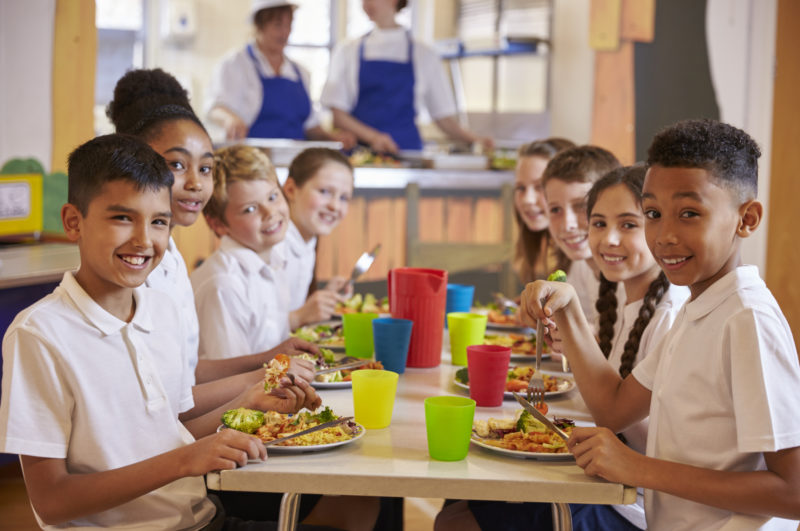
Since 2012, Minnesota (5.2% Latino) school districts have been working to expand farm-to-school fresh food options within school lunches, buying local fresh fruits and vegetables and serving up whole-grain fresh bread. Over 27 kitchens within the state now offer fresh, cooked from scratch meals, Bertrand Weber, Minneapolis Public Schools Nutrition director explained to the StarTribune. A department of agriculture had help invest over one million dollars in over 57 districts to help support schools to upgrade their kitchens, buy local produce, make fresh meals and serve more nutritious options. However, a poll taken by Blue Cross Blue Shield of Minnesota found that 69 % of parents still worry about physical activity and healthy food access for their students while they are at ...
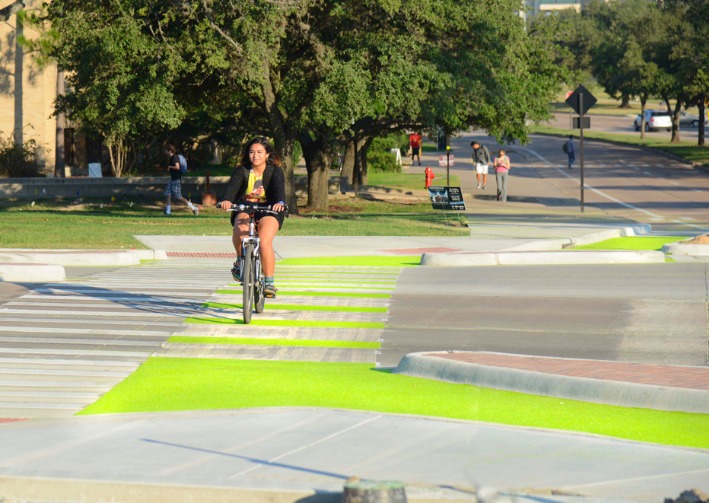
Cities across the world have come up with unique methods to make it safer for kids and everyone to bicycle. Safe places to bike-and walk and play-are critical to reduce health disparities and improve Latino and all kid's overall health and wellbeing. In College Station, Texas (14% Latino) the Texas Transportation Institute at Texas A&M designed a protected intersection, modeled after the Dutch Junction, with glow-in-the-dark bike lanes. Bike lanes are, in fact, a sound public health investment. The Dutch Junction is designed to separate cars and bicyclists using islands, moving bicyclists in front motorists and out of their blind spots. To improve path visibility, the bike lanes are coated with a glow-in-the-dark material that absorbs and stores solar energy during the ...
It’s Hispanic Heritage Month (#HHM) and we’re celebrating with a bilingual #SaludTues Tweetchat with our friends at the U.S. Office of Minority Health! This observance gives us a great opportunity to reflect on the riches and beauty of Latino culture. It also gives us a chance to raise national awareness of issues that matter most to Latinos, like having healthy communities and access to health care. So let's use #SaludTues on Oct. 11, 2016, to tweet about how we can ALL be a part of driving health equity and promoting Latino health. WHAT: #SaludTues #HealthyLatinos Tweetchat
TIME/DATE: 1-2 p.m. EST Tuesday, October 11, 2016
WHERE: On Twitter with hashtag #SaludTues
HOST: @SaludToday
CO-HOST: The Office of Minority Health (@MinorityHealth)
Optional Hashtags: ...
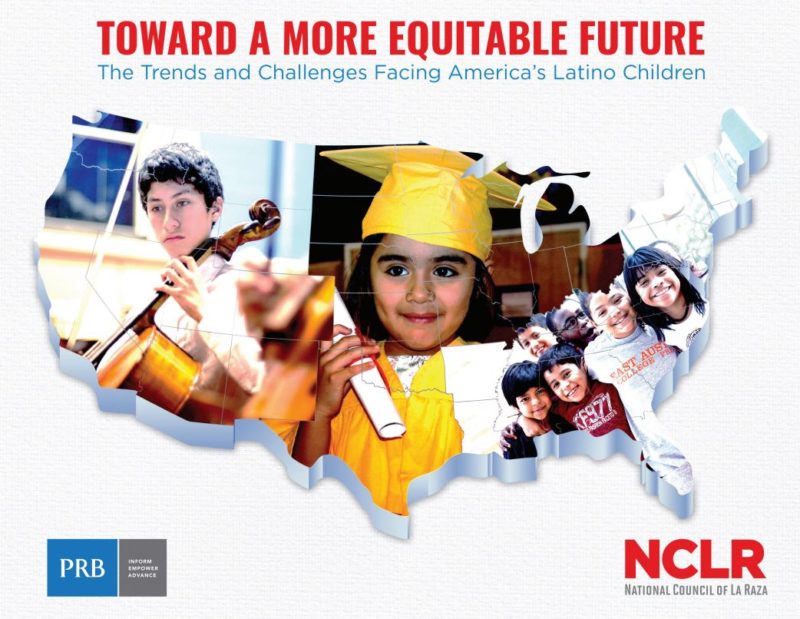
A new report from the National Council of La Raza (NCLR), using national data, found that the Latino high school graduation rate rose to 78% in 2013 compared to 2007. Toward A More Equitable Future: The Trends and Challenges Facing America’s Latino Children is a new report released by the NCLR which utilized nationally gathered data to shed light on the true state, good and bad, of Latino children in the United States. “When people don’t want to do something, they hide behind data,” said Lori Kaplan, head of the Latin American Youth Center in Washington, D.C. at a recent news event announcing the report. “They say ‘show me the data.’ But smaller operations usually don’t have the resources to gather data to prove that what they know to be true through ...
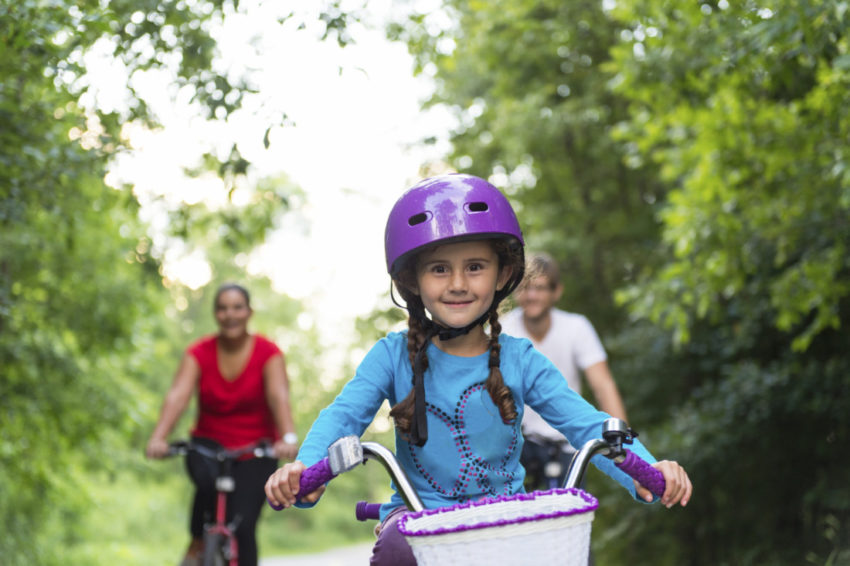
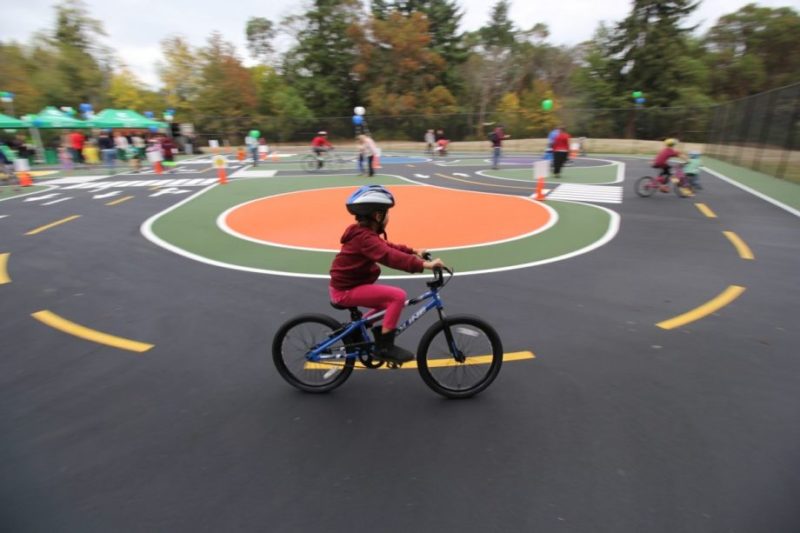
When Cascade Bicycle Club in King County, Washington (9.5% Latino), found out about a grant opportunity in early 2015, they jumped at the chance to build their youth and family-oriented programming. Cascade Bicycle Club's mission is to improve lives through bicycling. Physical activity, like bicycling, is critical to improve overall health and wellbeing for Latino and all kids. Read and watch a Salud Hero story about an elementary school that teaches kids bike safety thanks in part to Cascade Bicycle Club. Partnering with King County Parks for the King County's Youth Sports Facility Grant for $75,000, the Cascade Bicycle Club discussed ideas and locations for kids and adults to practice and learn bike safety. An urban designer suggested a traffic garden after seeing one in ...
SaludToday Guest Blogger
Dr. Michel Choueiri of CancerDocs.org I am going to tell you the story of Anna López and why it is important to always ask two doctors before making a major decision. Anna arrived to Los Angeles in 2014 from Guatemala. She turned 49 last June. She was taking a shower one morning when she noticed a mass on her breast. She did not know what to do and went to the first doctor who her cousin knew. After a pleasant consultation, she was advised that she would need to have surgery to remove all her breast. Sad, Anna went home, cried with her husband that night. She could not speak English and did not know many people in LA to ask for help. She agreed to the surgery and the operation was scheduled for the following week. Luckily, her friend who works at UCLA had ...
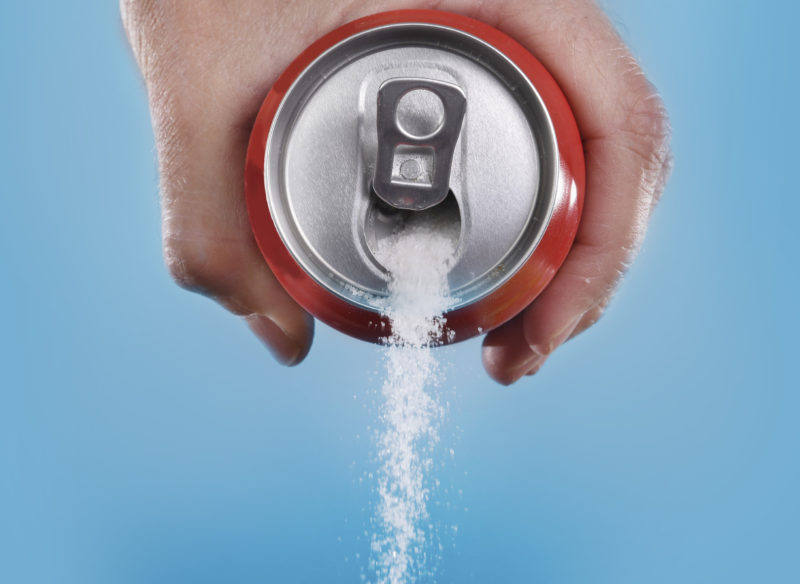
Why do sodas and other sugary drinks like sweetened coffees, teas, and energy drinks make us more thirsty and want more? We need hydration and water is they key to healthy hydration. Drinking more water and less sugary beverages can help our bodies in numerous ways shows various studies. So now what should we do? How can we fight the urge to sip on our favorite sweet drink? Join the Center for Science in the Public Interest (CSPI) and FoodStand as they challenge you to drink "Less Soda". The Foodstand app is free to download and you can get great tips, shopping lists, recipes and more to help you kick the can or the sweet beverage of your choice!
Foodstand also helps people build healthier eating habits through community-powered challenges primarily focused on eating less ...