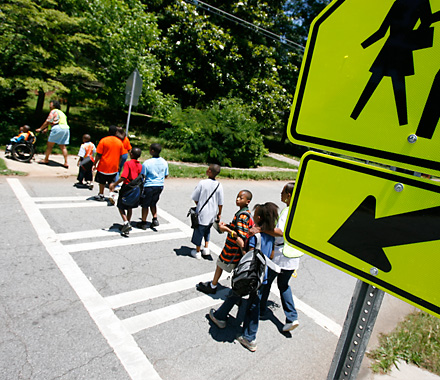
According to a recent research review, the Safe Routes to School program has been successful in increasing the proportion of students that walk and bike to school. The Safe Routes to Schools (SRTS) program provides education, encouragement and road improvements to create safe conditions to increase rates of walking and biking. This is particularly important for low-income populations who tend to experience greater rates of obesity and pedestrian injury and tend to live in areas with poor walking conditions. Participating schools were more likely to be in high-density areas. These areas found fewer rates of child pedestrian injuries and increased rates of walking and biking compared to areas that did not participate in SRTS. Additionally, rates of walking and biking increased over ...
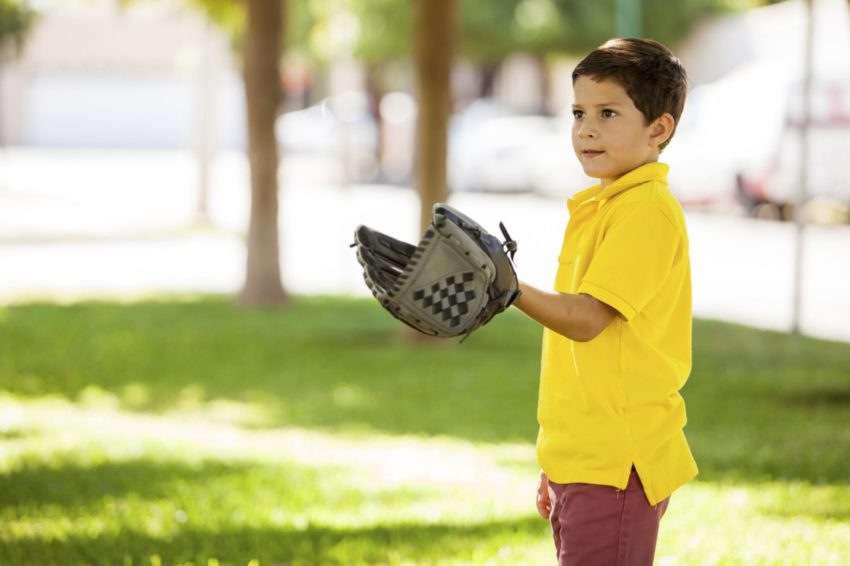
Hispanic children who participated in a unique weight-maintenance pilot intervention were more likely to adopt healthy lifestyles, resulting in healthier weights, than children who didn’t participate, according to a UT Health San Antonio study in the June 2015 issue of the journal Childhood Obesity. The pilot study, which paved the way for a new $2.9 million grant to test the intervention on a larger scale through 2019, was implemented with parent-child pairs in a rural clinic in New Braunfels, Texas. Children who participated were Hispanic, ages 5-14, and obese/overweight. “Comprehensive behavioral programs have been shown to help these children improve their weight status. However, more efficient interventions that can be done in primary care clinics must be developed for ...
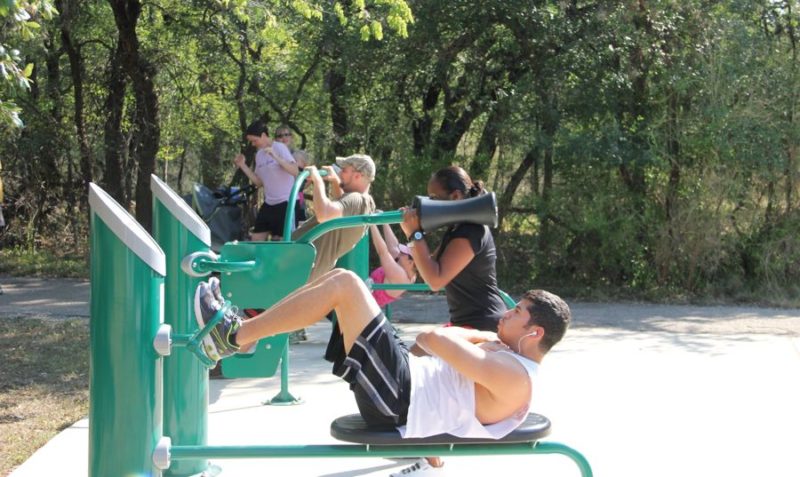
Parks are a great way to be active and help combat obesity. July is Park and Recreation Month! You can learn how to get to your nearest park and get on the move with the latest fun park activities. The website shows map where local parks are that may be offering free programming such as: Zumba, concerts, dance classes, concerts, cooking classes, and more! Click here, find the map and get moving to the fun park activities ...
En los próximos cinco años, el 40 por ciento de nuevos hogares será formado por latinos. De acuerdo a Hispanics & Home Ownership: Closing the Gap, un nuevo reporte por el Demand Institute, más de cuatro millones de latinos en Estados Unidos, tiene el sueño de ser propietario de su propio hogar, pero solo 1.5 millones de Hispanos estarán financieramente preparados para tomar ese paso, dejando a 2.5 millones de Hispanos sin perspectivas de poder comprar una casa. Ingresos suficientes al igual, un buen nivel de crédito y buen enganche son varios de los obstáculos que los latinos enfrentan a la hora de comprar una casa. “Los hispanos fueron golpeados muy duro por la crisis financiera y la burbuja inmobiliaria, haciendo que el panorama para muchos de hispanos ...
Un tercio de los adultos en Estados Unidos sufre de síndrome metabólico, siendo los Latinos los más afectados, reporta Latina Magazine. Cerca del 39% de los Latinos sufre de este síndrome a comparación con el 37.4 % de los blancos y 35.5% de los Afro-Americanos. El síndrome metabólico es también conocido como la “tormenta perfecta,” ya que representa una serie de enfermedades cardiovasculares como alta presión, altos niveles de azúcar y colesterol. Lo que es alarmante para los médicos e investigadores es que la probabilidad de padecer de síndrome metabólico incrementa con la edad. La mitad de las mujeres latinas mayores de 60 años padece de este síndrome. “Esto es concertante porque sabemos que la población de los Estados Unidos está ...
De acuerdo a un nuevo estudio sobrevivientes de cáncer de próstata que tienden a tener una dieta “occidental,” fuerte en carnes rojas, queso y pan blanco están a un más alto riesgo de volver a tener cáncer, reporta NBC Health. Según los expertos esta es una evidencia más que la dieta típica “Americana,” puedo causar desde problemas cardiovasculares hasta Alzhéimer. Una de las dietas más recomendadas por doctores y expertos en la materia es la “Mediterránea,” rica en frutas y vegetales, aceite de olivo, pescado y granos. “Nuestros resultados demuestran que las mismas recomendaciones que se le hacen a la población en general para prevenir problemas cardiovasculares también pueden disminuir el riesgo de muerte a causa de cáncer de próstata entre ...
The Michael & Susan Dell Center for Healthy Living have multiple programs and projects that promote healthy living. Active-Play Active Learning (APAL) is just one of the many healthy programs that encourages healthy changes for kids. APAL is a school-based initiative that allows kids to become more active in recess and school time. APAL is incorporated through three main approaches: Classroom Brain Breaks- brief activity breaks that support academic learning and contribute active class transitions.
School Playground Markings- beautified playground areas with locomotor markings that encourage learning and activity during recess and class time.
Peer-Led Games- five to ten minute student led games. Three times a year teachers are trained with interactive games and ...
The first Wednesday in June is National Running Day (or Global Running Day)! This is the perfect day for runners to reaffirm their passion for running and it is also a good day for beginners to begin a life-changing commitment to running. If you haven’t laced your sneakers yet, today might be the perfect day to go out for a stroll or a run. According to experts the benefits of running include: An increase of good cholesterol
A boost of feel-good chemical serotonin levels in the brain
Decrease your risk of developing blood-clots Get active for National Running ...
Niños de bajos recursos son más propensos a ser obesos según un estudio por JAMA Pediatrics, reporta Univision Noticias. El estudio revelo que entre los niños de edad pre-escolar de familias de escasos recursos el número de obesidad ha subido desde 1998 en comparación a niños de familias adineradas, quienes han tenido una reducción en los índices de obesidad. "Al dividir a los niños por grupos socioeconómicos, aparece que el aumento es bastante grande en los de familias más pobres", dijo Ashlesha Datar, de la University of Southern California, en Los Ángeles a Univision Noticias. El estudio analizo datos de casi 17,000 niños que ingresaron al jardín infantil en 1998 y los comparo con datos de 15,500 niños que ingresaron en el 2010. El estudio revelo que ...