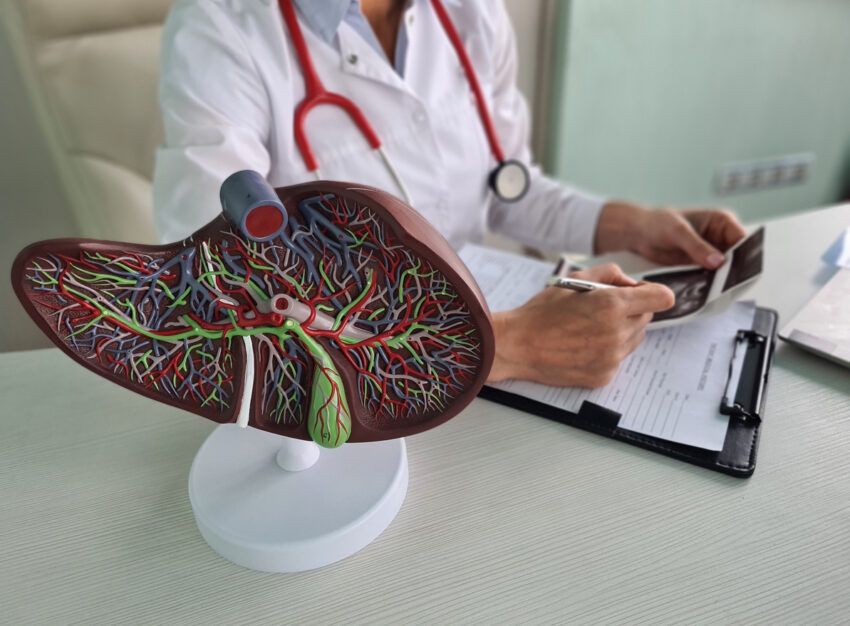
Latinos have the second-highest rate of dying from liver cancer. Understanding the reasons why this is happening can reveal how to address this suffering and prevent liver cancer among Latinos, which can improve health for the broader population. “Understanding the causes of Latino liver cancer rates in South Texas and across the nation is critical. We must develop interventions and identify high-risk individuals who may be screened and treated with the best available care,” said Dr. Amelie G. Ramirez, leader of Salud America! and the Institute for Health Promotion Research at UT Health San Antonio. So, why does liver cancer hurt Latinos in particular?
1. Aflatoxin Exposure
Aflatoxins are a family of toxins produced by certain fungi that are found on ...
Many healthcare facilities require healthcare staff to complete regular sensitivity trainings on competency, bedside manner, and similar topics. These trainings can help providers deliver compassionate care for overlooked patients. But, as more healthcare systems go the extra mile to create a non-medical drivers of health (NMDoH) screening program to care for patients’ non-medical needs, staff may need additional resources to guide conversations that are often deeply personal for some patients. Here’s how healthcare staff can build rapport with patients and gain confidence in discussing NMDoH, from housing to income.
Put Yourself in the Patient’s Shoes
Think about your patient’s demographics. What non-medical challenges to health do they face? What needs do they ...
Childhood is a critical period for the development of eating behaviors and habits that last into adulthood. These habits play a vital role in growth, development, and the prevention of obesity and other lifelong, diet-related chronic diseases. Children who live in food deserts and lack access to nutritional food, such as many Latinos, may struggle more with maintaining a healthy weight and developing healthy eating patterns. That’s where Healthy Eating Research (HER) resources can help.
One Stop Shop for All Your Healthy Eating Habits
HER has produced evidence-based recommendations and best practices for promoting healthy eating behaviors in children ages 2 to 8. This site has excellent resources for Spanish-speaking parents, who may lack access to nutritional guidance due ...
Researchers at The Glenn Biggs Institute for Alzheimer’s and Neurodegenerative Diseases at UT Health San Antonio are recruiting participants for the VIVA-MIND study to learn whether a new drug therapy for Alzheimer’s disease can help people experiencing mild memory problems. Volunteers ages 50 to 89 with a diagnosis of mild cognitive impairment or probable mild Alzheimer’s may ask about eligibility for VIVA-MIND, said Dr. Sudha Seshadri, professor of neurology and director of the Glenn Biggs Institute. Half of volunteers will be given the new drug therapy, an oral pill called varoglutamstat. The other half will receive a placebo pill that looks just like the study drug. “The first people who will benefit from a new Alzheimer’s disease treatment are those who are ...
As more healthcare systems consider implementing a non-medical drivers of health (NMDoH) screening program to care for patients’ non-medical needs, we at Salud America! at UT Health San Antonio are sharing important tips in developing such a program. Today, we’re highlighting the role of the screener and how to identify healthcare staff most suited to screen patients for NMDoH needs. While there is no evidence-based gold standard for how screening programs should be conducted or who should conduct the screening, lived experiences from clinics that have successfully implemented a NMDoH screening program can help healthcare facilities make critical decisions in designing their own screening program. We’ll be exploring the lived experiences of one of these clinics ...
We know many types of cancer deeply and affect U.S. Latinos. Liver cancer is a particular problem. In fact, Latinos have the second-highest rate of dying from liver cancer among certain groups, according to the CDC. Let’s examine the data and unpack this rising crisis for Latinos.
What is Liver Cancer?
The liver has many important jobs in the body. It plays a role in digestion, supporting healthy blood flow, breaking down needed nutrients, and more. Liver cancer can start at any part of the liver. The most common type of liver cancer is hepatocellular carcinoma (HCC). “Liver cancer is a disease in which malignant (cancer) cells form in the tissues of the liver. The liver is one of the largest organs in the body. It has 2 lobes and fills the ...
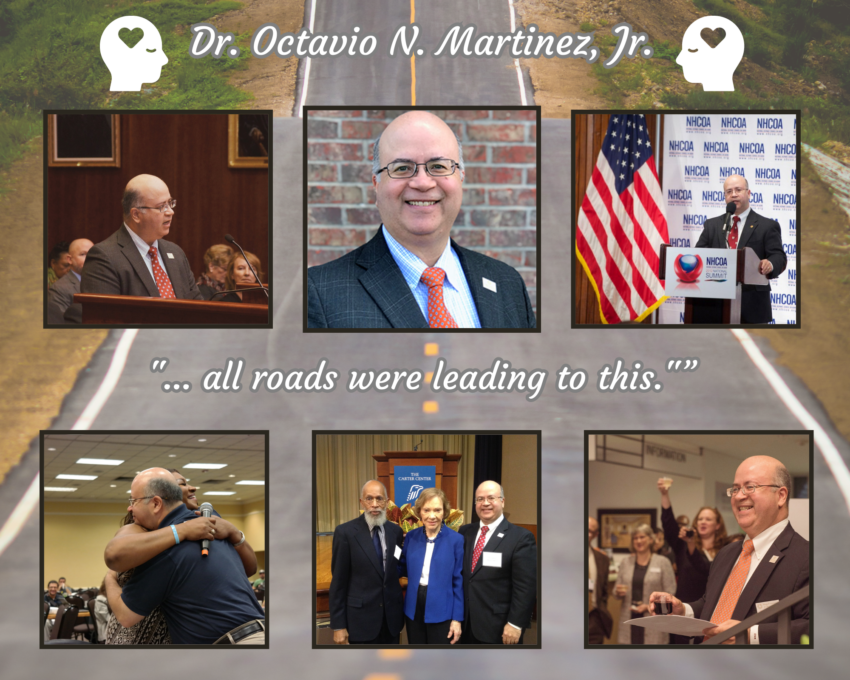
“Now remember, you must return your books on time,” said the librarian at the local public library in Austin, Texas. She peered down at 6-year-old Octavio N. Martinez, Jr., who eagerly nodded in agreement. She smiled and handed the child his first library card. From there, Octavio fell in love. Hard. He loved books and became a ferocious reader. With each page turn, his passion for learning grew. By the time he reached sixth grade, he knew he was destined for college and had even earned the nickname “professor” among his friends. Now a grown man, Dr. Octavio N. Martinez, Jr. has since earned four college degrees, including a Doctor of Medicine and Master of Public Health. He is also one of the nation’s top mental health leaders and philanthropists, a ...
Implications of the lack of quality maternal healthcare in the United States are well documented. Pre-term birth rates are rising, maternal mental health is suffering, and maternal mortality remains high, especially in women from certain backgrounds. Women living in rural areas are hit even harder by these implications, as indicated by a new March of Dimes report on maternity care deserts. Let’s explore just how much living in a rural area matters when it comes to maternal health, and how we can work to improve maternity care in underserved rural areas.
Maternity Care Deserts in Rural Texas Counties
Maternity care deserts make up 36% of all US counties, according a 2022 March of Dimes report. These maternity care deserts contribute to the US having the highest maternal ...
A few years ago, scientists advised federal leaders to adjust the Dietary Guidelines for Americans to lower added sugar intake from 10% to 6% of daily calories and reduce men’s daily alcohol intake from two to one drink a day. That advice was not taken. Now those scientists – the Dietary Guidelines Advisory Committee – are asking for public comment as they again prepare to recommend changes to the dietary guidelines. This is an opportunity to speak up for nutrition! Submit a model comment created by Salud America! to urge lower added sugar and alcohol intake in the 2025-2030 Dietary Guidelines for Americans! The comment period opened Jan. 19, 2023, and closed on Oct. 1, 2024. October 2024 UPDATE: 266 Salud America members submitted our model comment ...