Cancer survival differences are well documented in adults living along the US-Mexico border, but it is unknown whether these differences similarly affect children with leukemia, the most common cancer in children and teens. A Baylor College of Medicine study in the journal Cancer helps bridge this knowledge gap. Let’s explore the findings of the study, what these findings mean for Latino children and families living along the Texas-Mexico border, and how to address cancer differences in the Latino population.
Study Findings on Leukemia in South Texas
Baylor College of Medicine researchers examined the survival rates of acute lymphocytic leukemia (ALL), the most common form of pediatric leukemia, in children living along the Texas-Mexico border. The study included 6,002 Texas ...
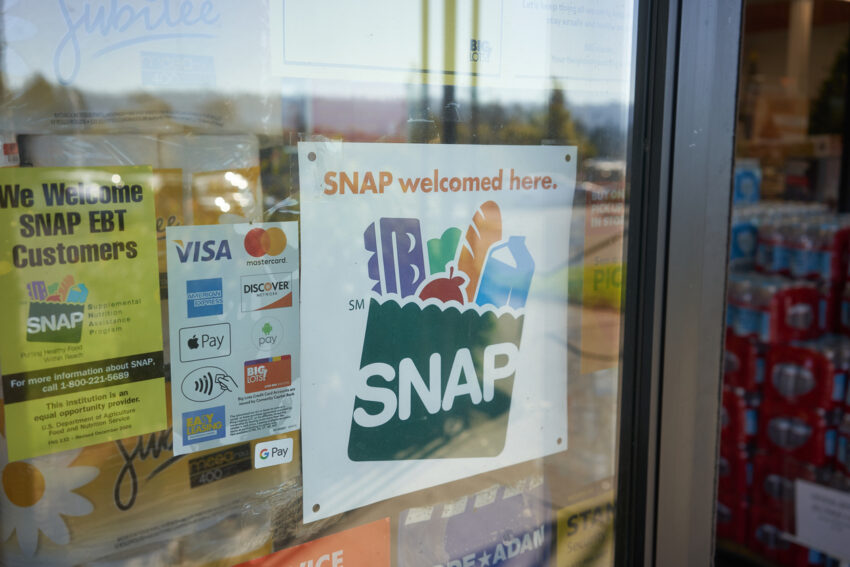
The federal Supplemental Nutrition Assistance Program (SNAP) program provides temporary support to help people and families afford food. But SNAP benefits are often under fire. After Trump-era efforts to curb SNAP benefits and the recent expiration of COVID-era SNAP increases, some lawmakers are pushing to add more work requirements to qualify for eligibility. Under the House’s proposed expansion of work requirements to parents and caregivers, as many as four million children could go hungry. “Millions of low-income households, [people from overlooked communities], and their families rely on basic supports to access health care, feed themselves, afford childcare, and survive financial and health insecurity,” according to a UnidosUs blog. “Cuts to these ...
Research suggests that men, regardless of race/ethnicity, are generally less likely to go to the doctor than women. But some men who value masculinity, such as Latinos with the “machismo” mindset, may be even less likely to seek routine medical care compared to their peers. Let’s explore more reasons why Latino and all men are less likely to go to the doctor, the consequences of delaying healthcare, and how to help men get the care they need.
Exploring the Machismo Mindset of Latino Men
Latinos as a whole face many systemic barriers to healthcare, including a lack of access to affordable health insurance, discrimination and physician implicit bias, lack of access to culturally competent care, and immigration status fears. But there could be an additional barrier to ...
Play deserts are common among the Deep South and Southwest areas of the United States, according to a recent study from the University of Georgia (UGA). You may have heard of food deserts and how healthy eating options are limited or hard to access in many background-rich and low-income neighborhoods. Play deserts are defined as “areas where parks and other spots to run around and play are nonexistent, hard to access or in less safe locations that make parents second-guess taking their children to play there.” The UGA study shows that play deserts cover about 7% of the US, but the rates are even higher in the Southern parts of the nation. “Even if you have the park near where you live, if the environment is not safe or it’s difficult to access, then people ...
We have updated our Salud America! Report Card to cover your county’s child opportunity score, environmental justice score, location affordability, and transit access. The Report Card, first launched in 2017, auto-generates Latino and local data with interactive maps and comparative gauges, which can help you visualize and explore local inequities in housing, transit, poverty, health care, food, education, and more. You will see how your county stacks up in these health improvement issues — now including child opportunity, location affordability, and transit access — compared to your state and the nation. Then you can share the Report Card with your local leaders to shift from individualist thinking to advocating for systemic community change for health equity! Get your ...
UT Health San Antonio and UTHealth Houston are looking for healthy Latinos to join their “Healthy Control Study” to help uncover new ways to treat disease. “Controls” are healthy people who donate a biospecimen – such as blood, saliva, or tissue – that researchers can use to compare to people of a similar age and race/ethnicity who also have cancer, Alzheimer’s, or other health conditions. A half-hour appointment with a one-time blood draw is all that’s needed for the new UT Health San Antonio and UTHealth Houston study. “You don’t have to be sick to help advance medical research. Researchers need information from healthy people to compare with people who have a disease so they can learn more about disease and develop new treatments,” said Dr. Amelie ...
Amid the COVID-19 pandemic, global conflicts, and an inflated economy, families have been going through a lot lately. Children are no exception. The US is facing an “urgent public health issue” among youth, and it’s not the typical stomach bug or cough usually associated with children – it’s their mental health. In honor of May being Mental Health Awareness Month, we’re highlighting the reasons elementary and middle school-age children worry, how often they worry, and their coping mechanisms, according to a recent report by Nemours KidsHealth. We’ll also touch on what parents can do to help their children through worrisome times.
Why Do Children Worry?
Of the 504 children between ages 9 and 13 who responded to the Nemours survey, worries centered around school ...
65% of Americans 21 years of age and older say they are not up to date with one or more routine cancer screenings, according to a survey from the Prevent Cancer Foundation. With this in mind, the Prevent Cancer Foundation has launched the Early Detection = Better Outcomes bilingual campaign to educate and encourage Americans to schedule routine cancer screening appointments. “When people learn the benefits of early detection, they are much more likely to talk to their doctors and get screened to check their health,” said Jody Hoyos, CEO of the Prevent Cancer Foundation, in a press release. “Routine screenings should be part of your wellness routine, just like eating healthy, exercising and taking care of your mental health.” Let us dive into what this campaign ...
Since the 1960s, community health centers (also called Federally Qualified Health Centers) have made it their mission to increase people’s access to primary healthcare by reducing challenges, such as cost, lack of insurance, distance, and language. But beyond clinic walls, many people have big needs, like unstable housing, that hurt their health. These are called the non-medical drivers of health (NMDoH) That is why the National Association of Community Health Centers (NACHC) helped create an NMDoH screening tool – PRAPARE® (Protocol for Responding to and Assessing Patient’s Assets, Risks and Experiences) – to enable community health centers to identify immediate needs among patients and refer them to local resources for aid. Today, PRAPARE® helps hundreds of community ...