The U.S. Latino population grew to 60.6 million in 2019, a record 18.5% of the total population, according to new Census Bureau data. Here are all the details you need to know.
The U.S. Latino Population Continues to Grow
The U.S. population reached 328,239,523 in 2019. Latinos reached 60,572,237 in 2019. Now at 18.5% of the U.S. population, Latinos are the second-largest racial/ethnic group, behind non-Latino Whites (60.1%). They have greater numbers than Blacks (13.4), Asians (5.9%), and American Indians or Alaska Natives (1.3%). Latinos accounted for 16% of the U.S. population in 2010. In fact, the U.S. Latino population is up by 10,093,626 from 2010 to 2019, or 20% growth, according to the new Census Bureau data.
Growth of the U.S. Latino Population Is Slowing
Even ...
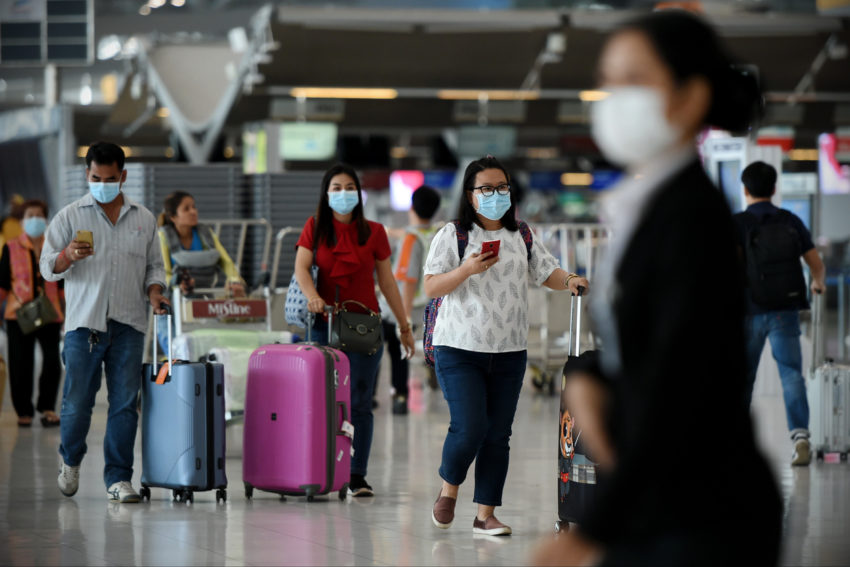
While the elderly are highly susceptible to becoming infected with the coronavirus, as well as its effects, young adults aren't off the hook, either. Those under the age of 44 make up a significant portion of coronavirus hospitalizations in the US, according to a new CDC report on July 10, 2020. Considering the high rate of infection among minority groups, young people of color are also facing significant threats. "I think everyone should be paying attention to this, and it's not just going to be the elderly," Stephen S. Morse, a professor of epidemiology at Columbia University's Mailman School of Public Health told New York Times. "There will be people age 20 and up. They do have to be careful, even if they think that they're young and healthy."
New Data Sheds Light
The CDC's ...
In San Bernardino County (50% Latino), the Board of Supervisors voted 5-0 this week to make it California's first county to adopt a resolution to declare racism as a public health crisis, the L.A. Times reports. The resolution recognizes that racism "creates unfair disadvantages to some individuals and communities" and "results in disparities in family stability, health and mental wellness, education, employment, economic development, public safety, criminal justice and housing." In addition, the resolution commits to action, according to the report: Enhance diversity in the county workforce;
Study existing county policies and practices "through a lens of racial equality to promote and support efforts that prioritize health for people of color";
Plan collaborations ...
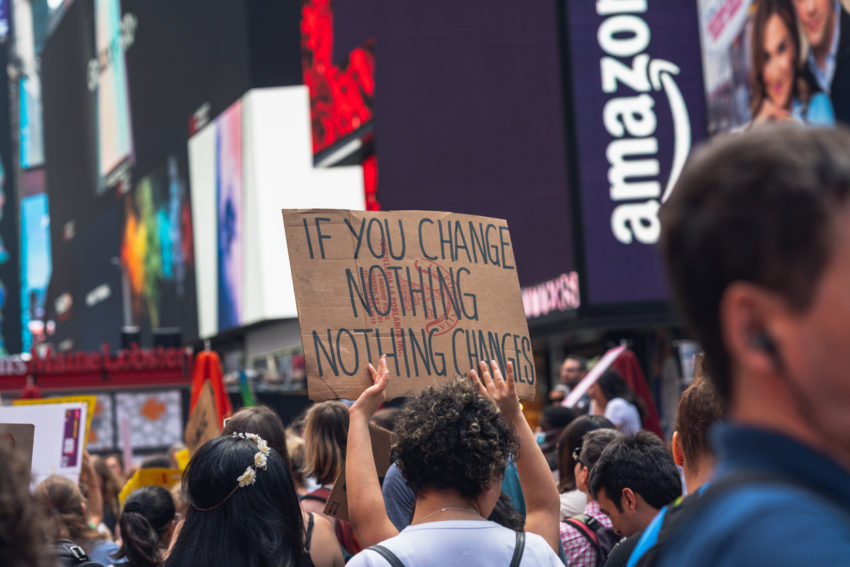
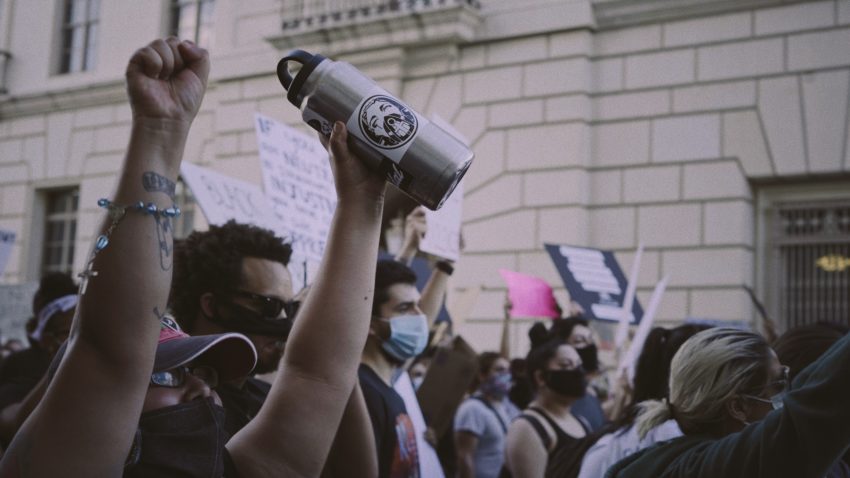
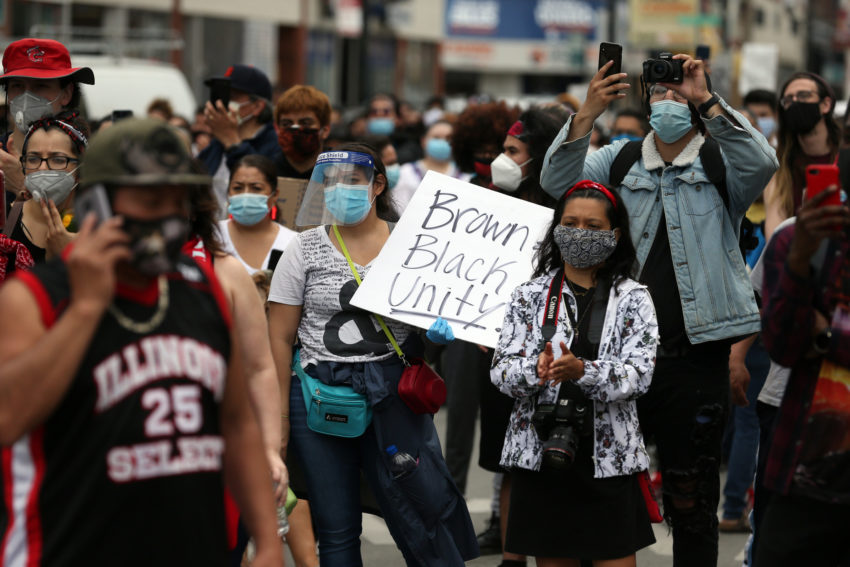
Since the founding of this country, Latinos, African-Americans, and all people of color have experienced harm at the hands of an unjust system. With the death of George Floyd at the hands of those meant to protect and serve, millions have taken to the streets to protest systemic racism across the U.S. Latinos, who are experiencing a rising burden of hate crimes, discrimination, and anti-immigrant sentiment, have joined in the Black Lives Matter cause to advocate for change — not just in African-American neighborhoods, but in all communities of color. “It’s not just black people being murdered by police. Hispanics are dying, too,” Fernando Garcia, executive director of the Border Network for Human Rights (BNHR), told El Paso news station WWLP 22. “It’s not only one bad ...
In a move that shows how social movements can address local health, Black Lives Matter advocates are helping push for a grocery store in a food desert in Oklahoma City (14.6% Black, 19.2% Latino). The advocates brought a demand for a store to city leaders. They met with Oklahoma City Mayor David Holt, Homeland grocery store President and CEO Marc Jones, and economic developers to discuss plans for building the 30,000-square-foot store to a local food desert on the Northeast side of the city, according to Patrina Adger of KOCO News. The area's only grocery store closed down about a year ago. This left neighbors with little access to fresh fruits and vegetables. "Obviously it's just this huge unmet need [for healthy food options] for a number of years," Jones of Homeland told ...
Racism is a public health crisis. Decades of racism-infused social, economic, and political systems have led to inequitable communities. These areas face higher burdens of stress, disease, and premature death. Now, amid U.S. protests for racial/ethnic and social justice, city leaders are creating resolutions that declare racism a public health crisis and commit to action. Download the free Salud America! “Get Your City to Declare Racism a Public Health Crisis Action Pack.” The Action Pack will help you get input from local social justice groups and advocates of color, start a conversation with city leaders, and build local support for a resolution to declare racism a public health issue along with a commitment to take action to change policies and practices. GET THE ...
Unlike a pandemic or emergency, there is no epidemiological definition for public health crisis. Experts at the Boston University School of Public Health tried to solve this. They explored the distinction between immediate and important and how politics, perceived risk, and affected groups shape the concept of a crisis. For example, they juxtaposed the number of deaths caused by terrorism and by gun violence with action taken by the U.S. government. Between 2001 and 2013, 3,380 Americans were killed by terrorism and 406,496 Americans were killed by firearms on U.S. soil; yet the U.S. spent trillions on the War on Terror and failed to pass gun control legislation. They conclude that people often confuse the immediate and the important, and that the important often fails to receive ...
Systemic racism makes it harder for Latinos and other people of color to get healthcare, housing, transportation, education, employment, healthy food, safe treatment by police, and more. We need solutions to end racial/ethnic injustice. Let’s use #SaludTues on Tuesday, June 16, 2020, to discuss how to address racial/ethnic injustice and discuss clear, measurable strategies and actions to combat racial/ethnic disparities in housing, public health, education, and more! WHAT: #SaludTues Tweetchat: Addressing Racial/Ethnic Injustice
TIME/DATE: 1-2 p.m. ET (Noon-1 p.m. CT), Tuesday, June 16, 2020
WHERE: On Twitter with hashtag #SaludTues
HOST: @SaludAmerica
CO-HOSTS: UnidosUS (@WeAreUnidosUS), America’s Promise Alliance (@AmericasPromise), CommonHealth Action ...
Systemic racism makes it harder for Latinos and other people of color to get healthcare, housing, transportation, education, employment, healthy food, safe treatment by police, and more. How can cities and states take a meaningful step to address racism? Declare racism a public health crisis. That’s what cities and counties in Ohio are doing, with a commitment to: Incorporate educational efforts to dismantle racism.
Review all portions of codified ordinances with a racial/ethnic equity lens.
Prioritize policies that will have the most beneficial health impact on people of color.
Train elected officials, staff, funders and grantees on workplace biases and how to mitigate them. “Through race-conscious policy-making, we’ve got to unwind the generations of ...