Latinos historically face discrimination in the hiring and promotion processes. A few years ago, a Harvard study found that one-third of Latinos say they were discriminated against when applying for jobs (33%) or when being paid equally or considered for promotions (32%). Now a recent report says discrimination extends to military promotions.
Latinos Rarely Promoted to High Military Ranks
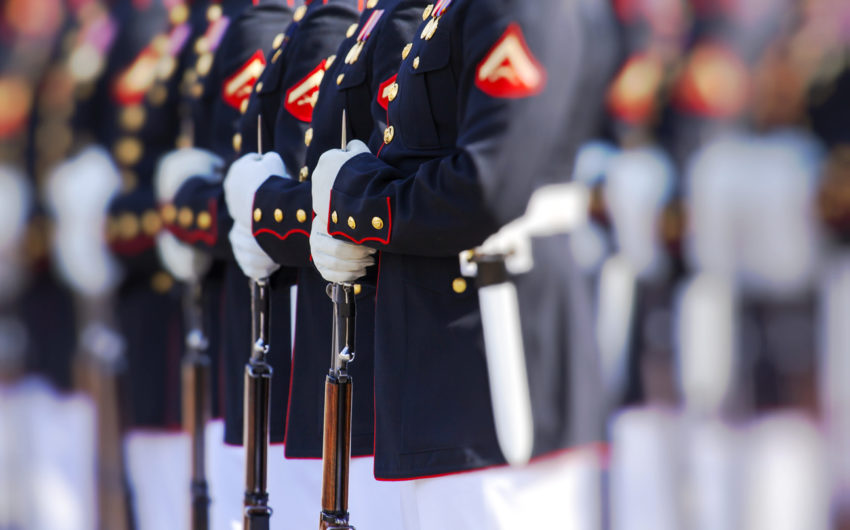
Latinos have a “proud and indeed enviable” record of military service. Today, the Latino share of the active-duty force has continued to rise. In 2015, 12% of all active-duty personnel were Latino, up from 9% in 2004, according to Pew Research. But between 1995 and 2016, only one Latino had become a three-star general, even as the number of active-duty Latino officers more than doubled, ...
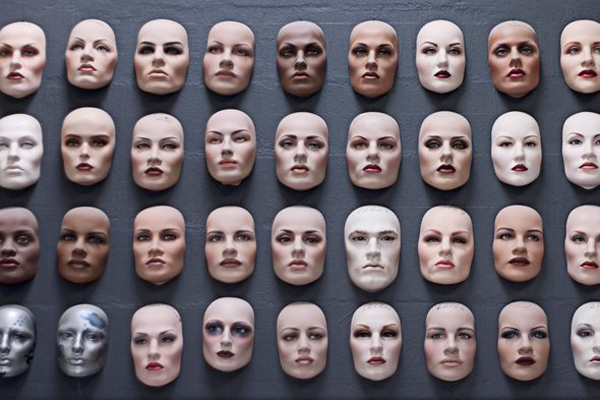
Implicit bias, also known as unconscious bias, occurs when stereotypes influence automatic brain processing. We can be susceptible to inherent bias and not even know it. Fortunately, you can find out if you have such leanings.
Implicit Bias Testing
Harvard’s Project Implicit developed The Implicit Association Test (IAT). The test, created 20 years ago, measures social attitudes and beliefs that people may be unwilling or unable to realize. The various implicit bias assessments focus on gender, race, skin color, weight, and more. There is no Hispanic/Latino-focused test, though. Bias tests can expose one's implicit attitudes, of which they are unaware. For example, you may believe women and men should be equally associated with careers in scientific fields. Yet, your ...
Health equity is when everyone has a fair and just opportunity to live their healthiest life possible. Yet health inequity remains. Latinos, for example, face discriminatory policies and barriers to healthcare, social support, healthy food, and more. That's why we're proud to share A Blueprint for Changemakers: Achieving Health Equity Through Law & Policy, a new report from ChangeLab Solutions and the Robert Wood Johnson Foundation that can help communities advance a local agenda to ensure health equity for everyone. The Blueprint report offers key policies and legal strategies on five underlying realities behind health inequity:
1. Reduce Structural Discrimination
Historic oppression, segregation, and bias create health inequity. Among Latinos, implicit bias impacts ...
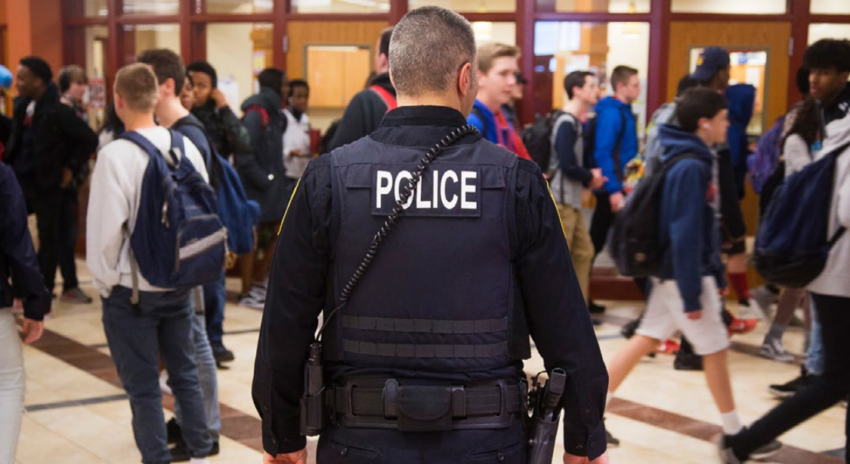
Schools today are under-resourced, and students are overcriminalized, particularly children of color and those with disabilities, according to a new report from the American Civil Liberties Union (ACLU). For the first time, the U.S. Department of Education now requires every public school to report the number of social workers, nurses, and psychologists employed. The ACLU analysis of the federal data provides a state-level, student-to-staff ratio for each position as well as a review of law enforcement presence in schools, student arrests, and referrals. The real crisis of schools isn’t violence, but a widespread failure to hire enough support staff that can meet students’ mental health needs, according to the report. The study uses data from the 2015-16 academic year, ...
Most people think they have no bias toward other people. But we all have preconceived notions or stereotypes that—beyond our control—affect our understanding, actions, and decisions about others. This is what experts call "implicit bias." Implicit bias can be good or bad. Either way, preference has enormous implications for the health of Latinos and all communities in our society.
What Is Implicit Bias?
Implicit bias is defined as the attitudes or stereotypes that affect our understanding, actions, and decisions unconsciously, according to the Kirwan Institute for the Study of Race and Ethnicity at Ohio State University. This kind of bias happens when stereotypes influence your brain processing. Studies show that your mind decides up to 10 seconds before you realize ...
In medical school, physicians are trained to exclude their own personal upbringings, and that of their patients, from clinical decisions. That doesn't always happen in reality. In fact, doctors are often susceptible to their unconscious bias, research shows. Unconscious bias, also known as "implicit bias," happens when automatic processing is influenced by stereotypes. These stereotypes then impact your actions and judgments.
Doctors & Implicit Bias
Many studies have shown that physicians—especially white physicians—have implicit preferences for white patients. Implicit bias can lead to false assumptions and adverse health outcomes. For example: Implicit bias is a major reason why Latino men are much less likely to receive optimal treatment for high-risk ...
Latinos and other minorities are frequently subject to negative stereotypes. In fact, 78% of Latinos in the United States said they face discrimination. That number is even worse for blacks at 92%. A new Stanford University study shows the problem bleeds into the treatment minorities receive from law enforcement. The Open Policing Project (OPP) found that police stopped and searched black and Latino drivers with less basis of evidence than used in stopping white drivers, who are searched less often but are more likely to be found with illegal items. "Because of this analysis, we're able to get to that anecdotal story to say this is really happening," Sharad Goel, an assistant professor in management science and engineering at Stanford and a co-author of the study, told NBC ...
Nearly 17,000 Latinos were killed with guns in California from 1999 through 2016, which mirrors a national rise in gun violence, according to a new study from the Violence Policy Center. But the alarming data doesn't end there. In 2016, Latino firearm homicide victimization rate was 4.40 per 100,000. That is more than three times the white firearm homicide victimization rate of 1.45 per 100,000. The firearm homicide victimization rate jumps to 6.63 per 100,000 for Latinos ages 10-24. “For far too long, we have not had actionable data on Latino gun violence in California," said Fernando Rejón of the Urban Peace Institute. "This [Violence Policy Center] report provides us with critical information to understand the impacts and make change."
California's Shocking Gun Violence ...
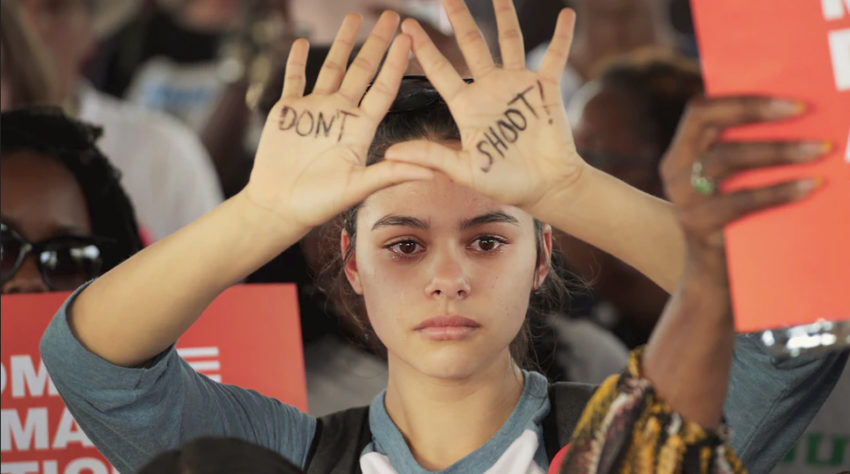
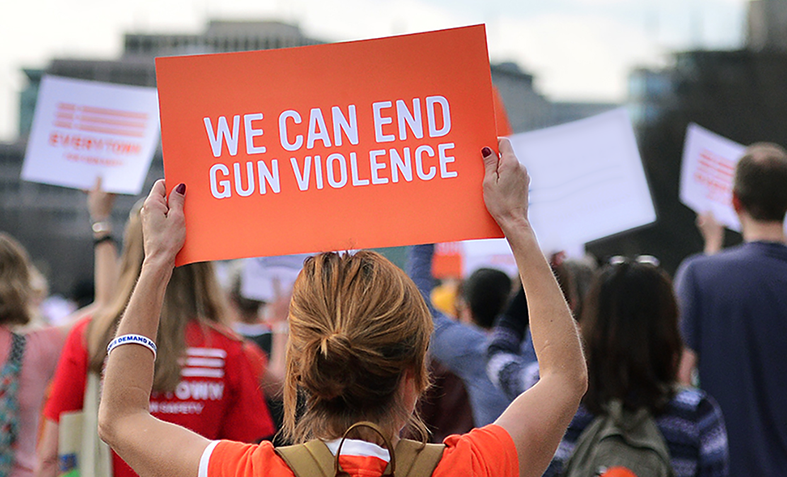
Gun violence is a rising public health and social justice issue in the United States. In fact, gun violence is one of the top causes of premature death, killing more than 38,000 Americans and causing nearly 85,000 injuries each year, according to the CDC. The good news is that gun violence is preventable. The bad news is that not enough people see it as preventable, according to the Berkeley Media Studies Group. Mass shootings are not the largest source of gun violence, but they dominate media coverage. This can spark fear, create the idea of gun violence as inevitable, and obscure potential solutions to the epidemic. Let’s use #SaludTues on Tuesday, March 12, 2019, to share innovative strategies to create a new narrative on preventing gun violence in Latino and all ...