The AAMC Center for Health Justice and American Medical Association (AMA) co-developed a new guide on inclusive language to advance health equity. “Designed for physicians and other health care professionals, Advancing Health Equity: AMA-AAMC Guide on Language, Narrative, and Concepts provides guidance and promotes a deeper understanding of equity-focused, first-person language and why it matters,” according to the AAMC Center for Health Justice. The guide is broken down sections on language to use to promote health equity, why these narratives matter, and a glossary that defines key terminology. Using inclusive language is important for healthcare providers to ensure that they are giving culturally comprehensive care that is absent of implicit bias or discrimination, which ...
Inadequate transportation can hurt a person’s social, economic, and health outcomes. But planners and policymakers have not had a good tool to measure transportation insecurity—a condition in which one is unable to regularly move from place to place in a safe or timely manner due to the absence of the material, economic, or social resources needed for transportation. So, in 2018, researchers from University of Michigan and others created a tool to explore transportation security modeled after the Food Security Index and based on interviews with families living in poverty. They call it the Transportation Security Index. In 2021, they validated the 16-question index using a nationally representative sample. “We hope [the Transportation Security Index 16] will be adopted ...
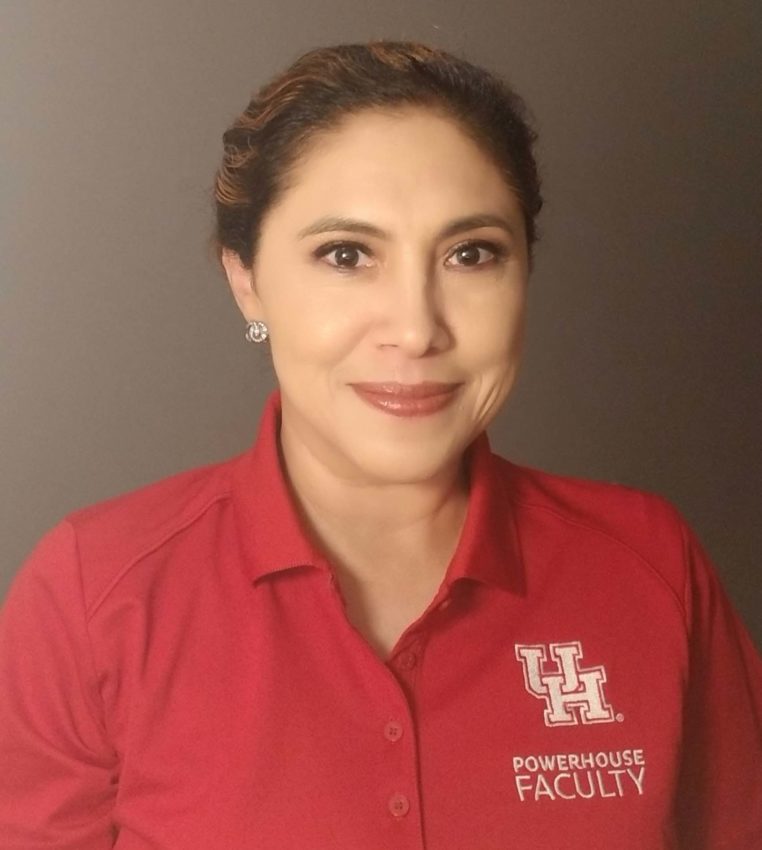
Like many Latino students, Donají Stelzig was unsure if she should pursue a PhD. She was intimated by the barriers and didn’t think she was capable of doing it, especially since she already had a full-time job and family. But after attending the Éxito! Latino Cancer Research Leadership Training at UT Health San Antonio, the researchers and scholars she met encouraged her to apply and followed up with her even when she was doubtful. Now, Stelzig has a doctoral degree and is a visiting assistant professor and lecturer at the University of Houston, where she also directs the Community Health Worker Training Center at the Honors College. She’s grateful for the Éxito! experience and how it helped her build a network to succeed throughout her career.
Learning About ...
The link between systemic racism and health inequities is undeniable. Health inequities among people of color arise from systemic racism, which has been and continues to be enforced by historic and present-day policies, laws, and practices at the local, state, and national levels. For example, past and present land use and transportation decisions perpetuate residential and school segregation which concentrates racial disadvantage and limits access to opportunity to stay healthy and thrive. Thus, local jurisdictions across the country are recognizing and addressing systemic racism through formal resolutions declaring racism a public health crisis. Through these resolutions, jurisdictions are committing to action to address underlying beliefs that fuel racism, transform ...
Dr. Melawhy Garcia wanted to elevate her work to improve health among Latinos in California by applying for PhD programs, but she wasn’t sure about it. She wanted to hear from experienced faculty and scholars about what the process would be like. That’s why she attended the Éxito! Latino Cancer Research Leadership Training at UT Health San Antonio. “I actually knew some of the faculty presenting at [Éxito!], so I definitely wanted to hear from them and see what their journey was like going through a PhD program,” Garcia said. Éxito! helped Garcia apply to PhD programs and get accepted to a joint Doctoral Program in Public Health from the University of California, San Diego and San Diego State University. Now, Garcia is an assistant professor in the Department of ...
As part of its draft Strategic Plan for 2022-2026, the Department of Health and Human Services (HHS) is looking for feedback from the public. The plan has five strategic goals for how the department will achieve its mission: Protect and Strengthen Equitable Access to High Quality and Affordable Health Care
Safeguard and Improve National and Global Health Conditions and Outcomes
Strengthen Social Well-being, Equity, and Economic Resilience
Restore Trust and Accelerate Advancements in Science and Research for All
Advance Strategic Management to Build Trust, Transparency, and Accountability At Salud America!, we believe that improving healthcare by making it more accessible and culturally tailored for people of color will help build health equity. This means ...
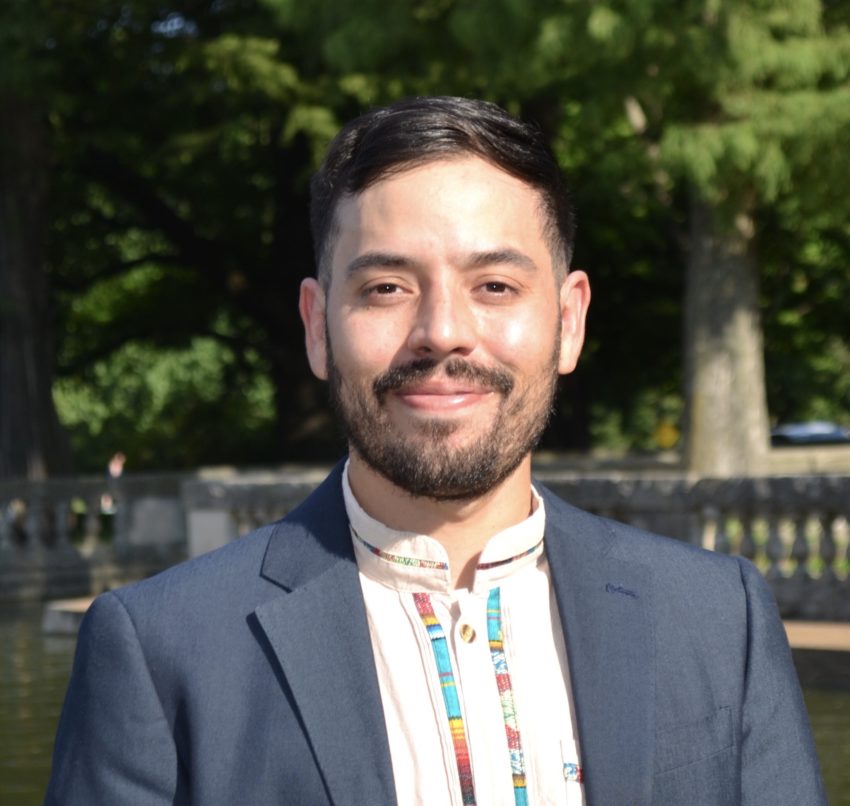
Natalicio Serrano wasn’t sure he wanted to get a PhD. He knew the journey would be difficult, especially as a Latino going into a field with little representation. However, the Éxito! Latino Cancer Research Leadership Training at UT Health San Antonio changed that. “For me, Éxito! painted a clearer picture of what I could do with a PhD. It gave me the energy to want to apply and continue on with this academic journey,” Serrano said. Participating in Éxito! motivated Serrano to apply and get accepted to a PhD program in Public Health with the Prevention Research Center at Washington University in St. Louis. Serrano is now a postdoctoral fellow in the Cancer Education and Career Development program at the University of Illinois at Chicago. His research focuses on ...
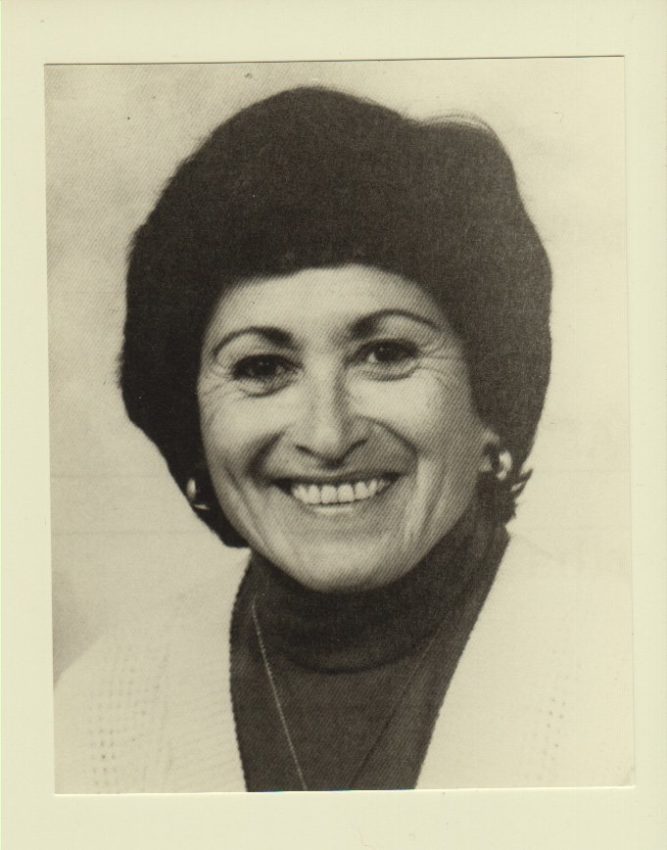
To celebrate Hispanic Heritage Month, we honor Dr. Martha Bernal, the first Latina to receive a PhD in psychology in the U.S. Bernal contributed greatly to the field of ethnic minority psychology and inspired many generations to follow her. “Dr. Martha Bernal demonstrated outstanding initiative and dedication to promoting the presence of ethnic minority psychologists in the profession. She provided guidance and inspiration to a wide range and large number of psychologists of color, men and women,” according to Society for the Psychology of Women. In addition to her contributions to the field, Bernal was a fierce advocate for justice and equity. “She was passionate about her ideas, she spoke out effectively against injustice, she maintained high standards of scholarship ...
Latinos have played a major role in the development of the United States. This diverse demographic, today the nation’s largest racial/ethnic minority, has helped make the country the great melting pot it is. And despite an ongoing battle against discrimination and health disparities, Latino leaders continue to push their community to keep up hope and fight for what Cesar Chavez called La Causa, a term used to describe the struggle for equity. “In the end, the American dream is not a sprint, or even a marathon, but a relay,” said Julian Castro, former Secretary of Housing and Urban Development. “Our families don’t always cross the finish line in the span of one generation. But each generation passes on to the next the fruits of their labor.” For Hispanic Heritage ...