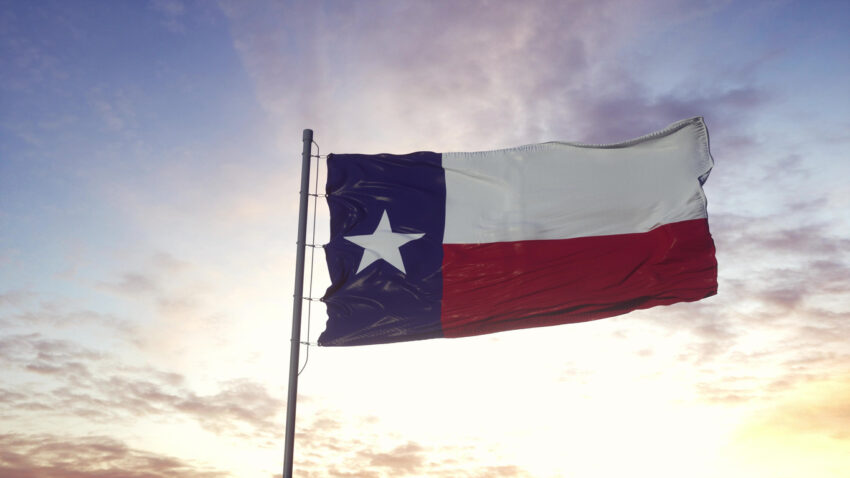
Everything is bigger in Texas – except wages, worker protections, and the right to organize, according to a recent study by Oxfam, an organization dedicated to fighting poverty and injustices. After analyzing each state’s wage policies, worker protections, and the right to organize, Texas ranked 48th out of 52 (including Washington D.C. and Puerto Rico) in Oxfam’s “Best States to Work Index.” In comparison, Oregon, California, and Washington placed first, second, and third, respectively. What does this mean for Latinos, who make up 40.2% of Texas’ population? First, let’s take a closer look at Oxfam’s study.
Wage Policies
Oxfam’s evaluation criteria for this category included the ratio of the state minimum wage to the cost of living for a family of four, ...
By Deputy Under Secretary Stacy Dean, U.S. Department of Agriculture, and Dr. Amelie Ramirez, DrPH, MPH, Director, Salud America! at UT Health San Antonio In recognition of Hispanic Heritage Month, Salud America! at UT Health San Antonio is excited to partner with the U.S. Department of Agriculture (USDA) to discuss the importance of the Special Supplemental Nutrition Program for Women, Infants, and Children (WIC) for the Hispanic/Latino Community. As we celebrate Hispanic Heritage Month, we recognize the important contributions the Hispanic/Latino community has made across the country. We also acknowledge the vital food and nutrition programs that impact the community every day at school, at home, and in the community, including WIC. More than 6.2 million women, infants, and ...
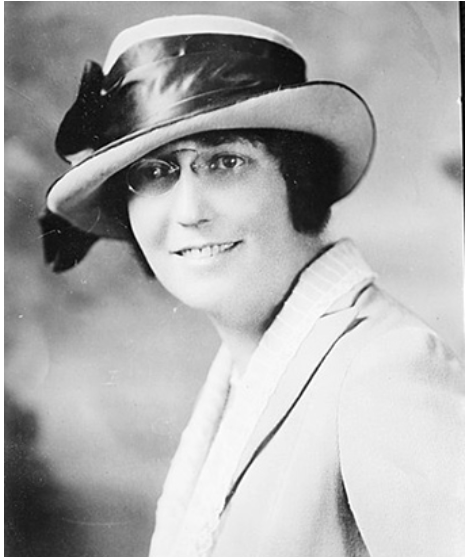
For Hispanic Heritage Month, we honor a Latina who dedicated her life to the advancement of Latinos and other disadvantaged groups: Nina Otero-Warren. Otero-Warren is known for fighting for women’s suffrage in her home state of New Mexico, becoming the first female Superintendent of Public Schools in Santa Fe County, stimulating political change, and helping to improve public health. Recently, Otero-Warren was the first Latina to be featured on US currency. She was honored with her image being stamped on a US quarter, which also depicts New Mexico's state flowers and Otero-Warren’s Spanish slogan, "Voto para la mujer," – "votes for women."
Early Years of Life for Otero-Warren
Otero-Warren was born in 1881 in New Mexico on her family’s hacienda – large ...
By Dr. Fátima Coronado
CDC, Salud America! Guest Blogger Every year, the United States recognizes National Hispanic Heritage Month (NHHM) from September 15 to October 15, to celebrate the histories, cultures, and contributions of generations of Hispanic Americans born in and outside the U.S., who have helped to shape this diverse country. The theme for this year’s NHHM is Unidos: Inclusivity for a Stronger Nation. In Hispanic culture, unidos (in unity, with inclusivity) is associated with positive outcomes. Being unidos is necessary for getting through tough times, for meeting goals and getting things done together. NHHM provides an opportunity to acknowledge that while many health indicators have improved for most people in the U.S., significant disparities in health and ...
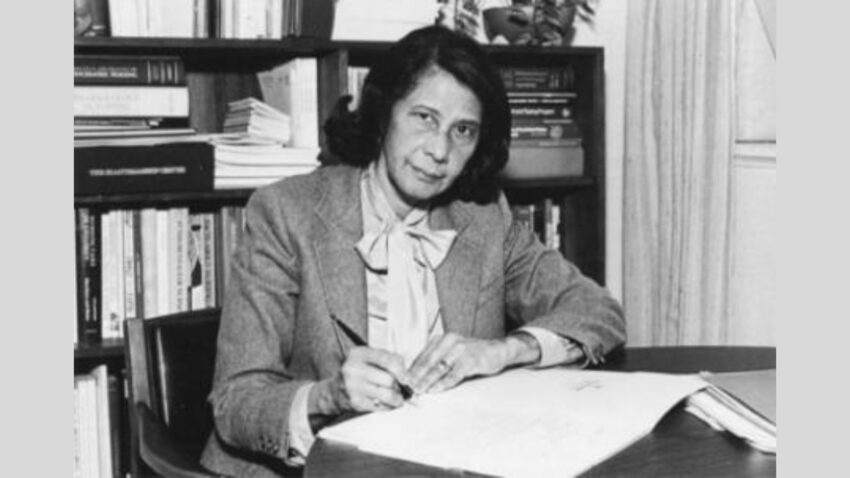
During Hispanic Heritage Month, Salud America! is celebrating Latino trailblazers, historical figures, and inspirational stories. In this article spotlight, we will recognize Ildaura Murillo-Rohde, PhD, RN, FAAN. Dr. Murillo-Rhode was a nurse and professor who strived to serve underrepresented communities and create equal opportunities for Latinos within health professions.
Early Life of Murillo-Rohde
Dr. Murillo-Rhode was born in on Sept. 26, 1920, in Panama. She immigrated to San Antonio, Texas, in 1945. Born into a family of health physicians, Rohde studied to become a nurse. Dr. Murillo-Rohde earned a nursing diploma from the Medical and Surgical Hospital School of Nursing in San Antonio, Texas, according to the NYAM Center for History. Early on, she realized ...
In childhood, many of us gazed into the night sky to glimpse a shooting star and make a wish. For Franklin Chang Diaz, he wished to explore the stars. Chang Diaz would go on to do just that after becoming the first Latino American to go to space after he was selected by NASA in 1980 and flew in a mission in 1986.
Early Life of Chang Diaz
Franklin Chang Diaz was born on April 5, 1950, in San José, Costa Rica. As a child he imagined himself being launched into space to explore the planets. “Growing up in Costa Rica, Franklin Chang Díaz and his friends would put chairs sideways inside a big cardboard box in his backyard and pretend it was a rocket ship. Sitting with their backs to the ground, they would go through the countdown, imitate the launch procedures they’d heard ...
It’s that time of year again! Join us as we recognize the historic achievements of Latinos in honor of National Hispanic Heritage Month Sept. 15 – Oct. 15, 2022. We’re kicking off this year’s celebration by highlighting the sacrifices of Latina “Rosies” who helped the US war effort during World War II.
What Are Rosies?
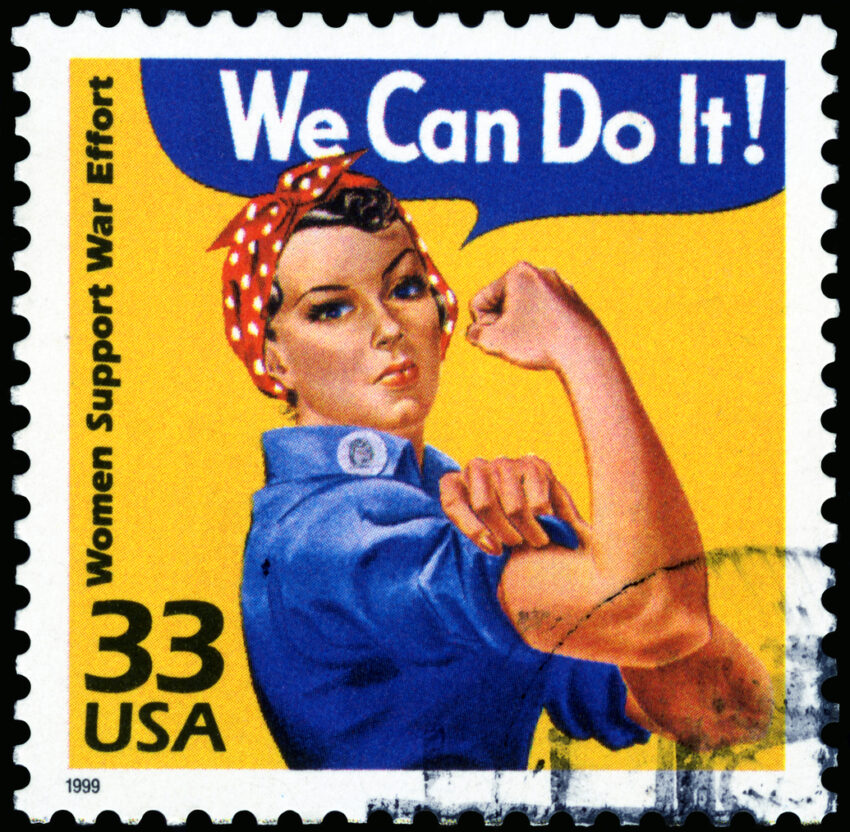
You may have seen the famous image of Rosie the Riveter – a determined, hard-working woman flexing her arm alongside the message, “We Can Do It!” Rosie, now an iconic image for female empowerment, was the star of a campaign to recruit women into traditionally male-held jobs during World War II. As males enlisted to serve in the war, women entered the workforce in never-before-seen numbers to offset the labor shortage, particularly in ...
Hispanic Heritage Month is here! This annual U.S. observance, from Sept. 15 to Oct. 15, celebrates the histories, cultures, and contributions of Americans whose ancestors came from Spain, Mexico, the Caribbean and Central and South America. We at Salud America! invite you to celebrate Hispanic Heritage Month in these awesome ways.
1. Learn How Hispanic Heritage Month Started
U.S. Congressmen Edward R. Roybal of Los Angeles and Henry B. Gonzales were among those who introduced legislation on the topic in 1968. President Lyndon Johnson implemented the observance as Hispanic Heritage Week that year. U.S. Rep. Esteban E. Torres of Pico Rivera proposed the observance be expanded to cover its current 30-day period. President Ronald Reagan implemented the expansion to Hispanic ...
Thanks to vaccinations, antibiotics, and medical treatment, death from infectious disease has declined drastically among children in high-income countries. But violent death is a serious threat to children in the United States. Here, guns and traffic crashes are the top killers of youth aged 1-19. Worse, these violent child deaths have increased in recent years. We can’t explain away all traffic crashes on individual behavior. We also can’t explain away all firearm incidents on individual behavior. These are systemic problems that require systemic solutions. Salud America! is exploring the scope of violent child death as part of its four-part series on public health approaches to addressing child deaths from guns and traffic crashes.
The State of Child Traffic ...