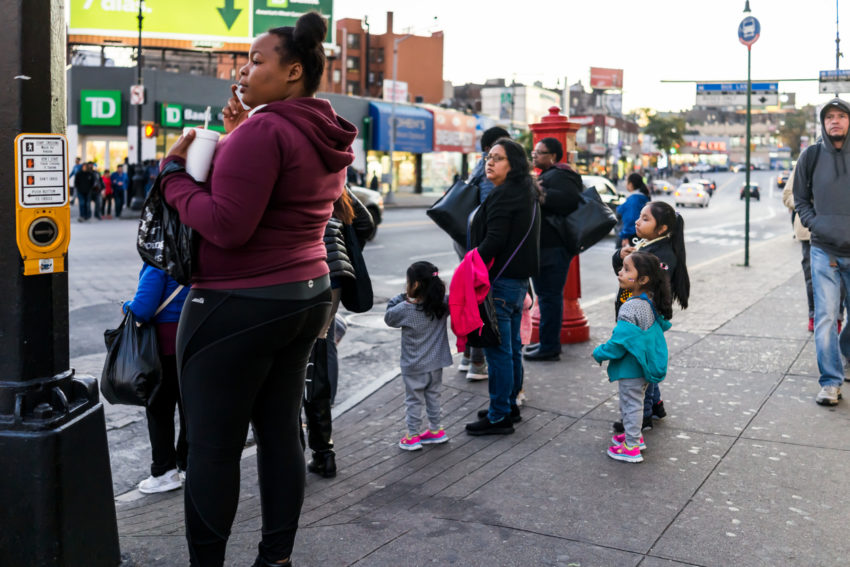
Police came to four-year-old Fatimah Muhammad’s house in Newark, N.J. (34% Latino), after an altercation between her parents. They came in with force. They had guns. They aggressively grabbed and body-slammed her father before taking him away, Muhammad said. “I was completely terrified,” she said. “Instead of feeling grateful.” As a kid, Muhammad didn’t have a name for some of the traumas that she and her neighborhood were experiencing, like police aggression, domestic violence, and mass incarceration. But she felt an “us vs. them” sense when it came to police. Years later, amid a wave of unlawful policing in Newark, Muhammad helped seize an opportunity to unite police and community to explore trauma and rebuild trust. Update 6/2/20: Muhammad is ...
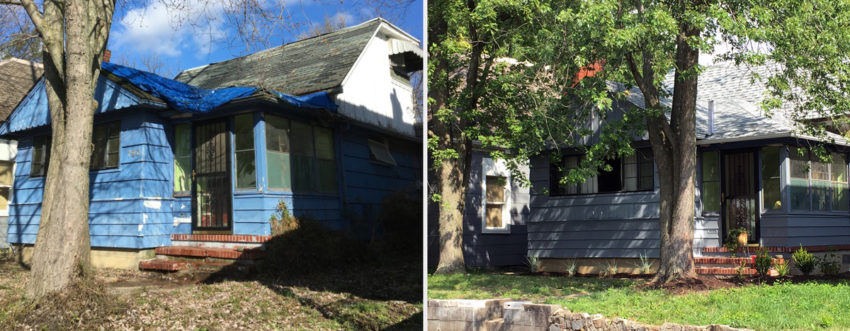
In Columbus, Ohio (5.8% Latino), the diverse Southern Orchards neighborhood suffers racism, a lack of affordable housing, economic segregation, violent crime, poverty, and expensive medical use. That’s why the whole neighborhood has become a hospital’s “patient.” Nationwide Children’s Hospital saw “unsafe conditions” as their patient’s top symptom. They diagnosed their patient with “unstable housing,” which is known to cause many economic, social, and health hardships, especially for Latinos and other people of color. The hospital prescribed a “housing intervention” and spent the past 10 years revitalizing Columbus’ South Side and Southern Orchards neighborhood through its Healthy Neighborhoods Healthy Families (HNHF) partnership with faith, community, ...
Only 1 in 2 big U.S. localities—500,000 or more people—have a local board of health, compared to over eight in ten small localities—less than 50,000 people. That means half our big cities miss out on public input on important health decisions. Half our big cities do not connect their local health departments to the community they serve or other public officials. Here are some benefits of having a local board of health for your city-and for you.
What a Local Board of Health Does
A local board of health provides community oversight and guidance for local health departments. They help set public health priorities for communities. According to the Centers for Disease Control and Prevention, the top ten responsibilities of local boards of health are: Review public health ...
A new action-oriented guide is available to foster collaboration between the health sector and the organizations working to improve the conditions of poverty, known as the community development sector. Collaboration among these sectors is critical because more than 80% of the nearly $3.5 trillion spent on medical care each year in the U.S. is spent on treating chronic diseases, most of which are preventable and related to the conditions of poverty. Latinos and low-income populations are disproportionately burdened by the conditions of poverty, thus face higher rates of chronic disease.
Conditions of Poverty
Health is not created in a doctor’s office, it is created in healthy, equitable, and prosperous communities. However, not all communities were created equal. Some have ...
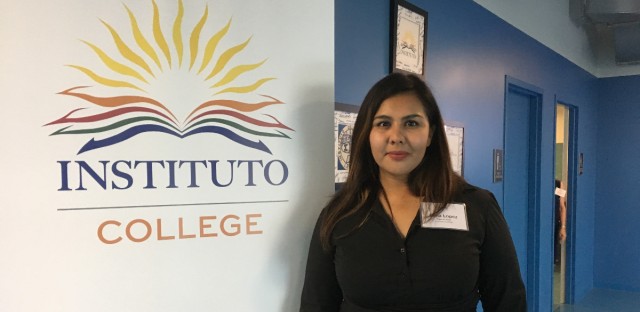
Latinos are making big educational strides. But they still face a lot of hurdles in graduating high school, getting into college, and earning a degree. A Chicago program came up with a unique way to help. Instituto del Progresso Latino started Instituto College, a private two-year college in Chicago that will prepare Latino students with limited English and no high school diploma for middle-income positions, Inside Higher Ed reports. Instituto College aims to give hope to Latino immigrants. In August 2018, the college will welcome its first class of pilot nursing students. They will bridge with an already existing program, "Careers in Salud," which provides certified nursing assistant or registered nurse education.
How Did Instituto College Come About?
A new bill in ...
We at Salud America! are dedicated to helping people drive healthy community change. That’s why we’re excited to announce our efforts have won three Digital Health Awards from the Health Information Resource Center. The Center is a national clearinghouse for professionals who work in consumer health fields. It recognizes the world’s best digital health resources: Spring 2018 Digital Health Awards, Gold, Salud America! Twitter
Spring 2018 Digital Health Awards, Silver, Salud America! Website
Spring 2018 Digital Health Awards, Silver, Salud America! Digital Health Curation “We’re humbled by the recognition of our communication work from groups like the Health Information Resource Center,” said Dr. Amelie Ramirez, director of the Institute for Health Promotion ...
We at Salud America! want to share how to improve health for all people. That’s why we're excited to announce we have won four Communicator Awards for our efforts to promote awareness of and solutions to health issues! 2018 Communicator Award of Distinction, Websites, General Community Action for Websites, Salud America!
2018 Communicator Award of Distinction, Features, Copy or Writing for Websites, Salud America!
2018 Communicator Award of Distinction, Video, Education for Online Video, Salud America! Early Childhood Development Video
2018 Communicator Award of Distinction, Video, Education for Online Video, Salud America! Early Childhood Development Video Communicator Awards, presented by the Academy of Interactive and Visual Arts, honor international marketing and ...
Racism can crush a person’s mental health. In fact, racism negatively affects mental health because it causes depression, anxiety, and heightened psychological stress in those who experience it, research shows. How can we help Latinos and other communities of color who experience racism every day? To celebrate Mental Health Month in May, let’s use #SaludTues on Tuesday, May 1, 2018, to tweet strategies to reduce racism, help those who experience racism, and boost mental health in communities of color! WHAT: #SaludTues Tweetchat: Racism and its Alarming Impact on Mental Health
TIME/DATE: 1-2 p.m. ET (Noon-1 p.m. CT), Tuesday, May 1, 2018
WHERE: On Twitter with hashtag #SaludTues
HOST: @SaludAmerica
CO-HOSTS: Dr. Silvia L. Mazzula, executive director, Latina ...
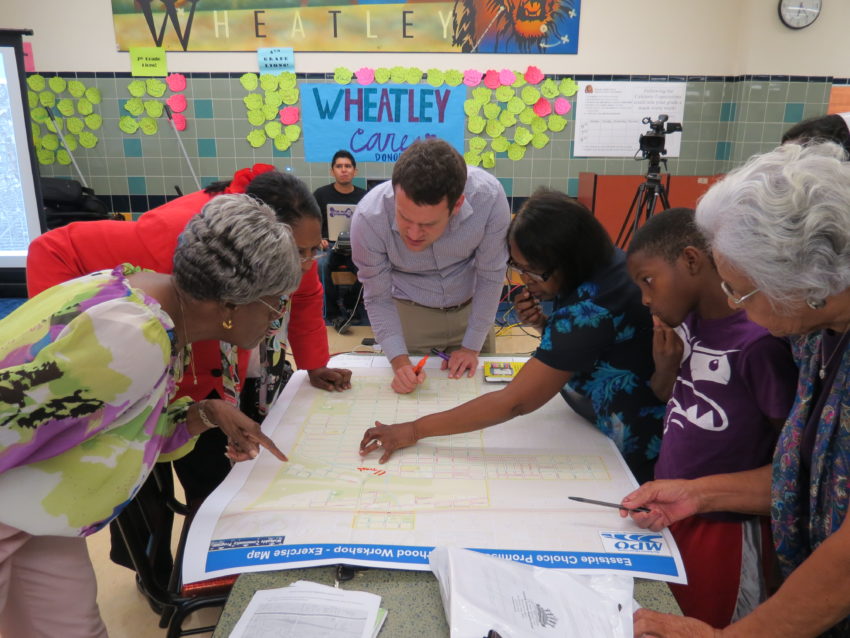
You don’t need to hold political office to make a healthy change in your community. Parents and residents play a big role in helping leaders make change by getting involved in neighborhood associations and local committees, boards, and commissions. These groups rely on your input to shape plans and policies that impact health in your area. Contributing to healthy local change is important because where you live─down to your ZIP code─can predict your and your family’s education, income, and physical and mental health. So how can you get involved? Ways to Get Involved First, check out our Health Equity Report Card to see what healthy change is needed in your town! Get Your Report Card! Now that you know, here are some ways you can help shape local policies, ...