As you may already know, moral disengagement is a way people rationalize bad decisions. It is used to describe the process by which an individual convinces themselves that ethical standards do not apply to them in a particular situation or context. Moral disengagement consists of making justifications, diffusing responsibility, dehumanizes the victim, and minimizes consequences. Yet, some outcomes have an impact on everyone.
Sense of Entitlement
A perception of entitlement can be a result of moral disengagement. For example, consider the recent college admissions scandal. More than 50 high-profile individuals face charges for conspiring to guarantee the admission of their children to universities that include Yale University, the University of Texas, Georgetown University, ...
Want to know how people rationalize bad decisions? It's called moral disengagement. Moral disengagement is the process by which an individual convinces him/herself that ethical standards do not apply to him/herself within a particular situation or context, according to world renowned social psychologist Albert Bandura. Moral disengagement can be broken down into four categories:
1. Moral Justification
Moral justification, reconstructs immoral conduct as serving the greater good. Example: Research shows that many policy officers, when forced to choose between lying under oath (perjury) and testifying against their colleagues, prefer the first option and justify the act as loyalty to their peers. Another example: “This is actually the morally right thing to do; we’re ...
Latino and other students of color who attend schools that emphasize the value of diversity show better heart health than peers whose schools without such values, according to a new study. The study examined a diverse sample of adolescents from over 100 schools, mainly in urban areas. "For students of color, these schools that emphasize diversity are different environments in concrete ways," Cynthia Levine, an assistant professor of psychology at the University of Washington, who conducted the study while a postdoctoral researcher at Northwestern University, told Futurity. “They may feel more supported and valued there, in a way that matters for their health.”
About The Study
The study examined how schools that emphasize the value of racial and ethnic diversity, can ...
We already know that implicit bias harms quality of life for Latinos and other minorities. Implicit bias is the attitudes or stereotypes that affect our understanding, actions, and decisions unconsciously. This bias can affect relationships from the doctor's office to the workplace. The good news? Many companies and organizations are making an effort to create change with implicit bias training! But what exactly does this training entail? Does it work?
What is Implicit Bias Training?
Implicit bias training, also called unconscious bias training, is gaining popularity in business world. This training teaches employees to be aware of their ingrained biases as well as strategies for blunting the effects of those biases, reports The Washington Post. “I think this is the ...
Latinos historically face discrimination in the hiring and promotion processes. A few years ago, a Harvard study found that one-third of Latinos say they were discriminated against when applying for jobs (33%) or when being paid equally or considered for promotions (32%). Now a recent report says discrimination extends to military promotions.
Latinos Rarely Promoted to High Military Ranks
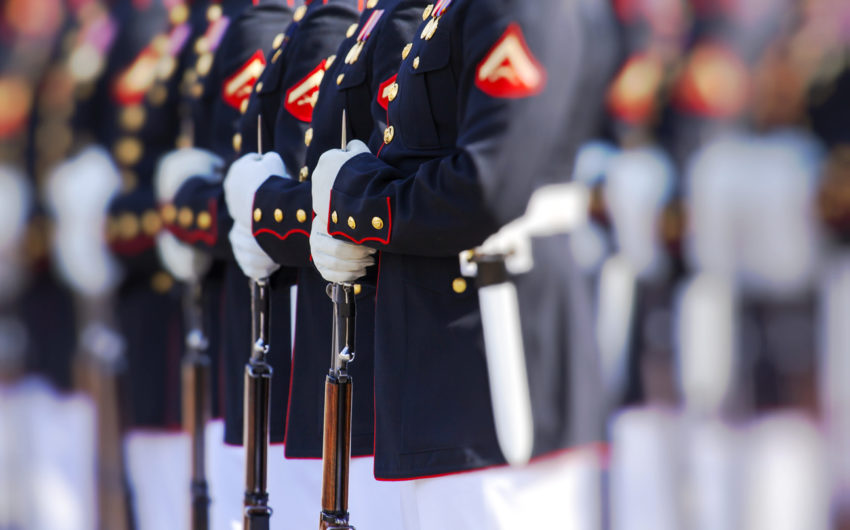
Latinos have a “proud and indeed enviable” record of military service. Today, the Latino share of the active-duty force has continued to rise. In 2015, 12% of all active-duty personnel were Latino, up from 9% in 2004, according to Pew Research. But between 1995 and 2016, only one Latino had become a three-star general, even as the number of active-duty Latino officers more than doubled, ...
Implicit bias, also known as unconscious bias, occurs when stereotypes influence automatic brain processing. We can be susceptible to inherent bias and not even know it. Fortunately, you can find out if you have such leanings.
Implicit Bias Testing
Harvard’s Project Implicit developed The Implicit Association Test (IAT). The test, created 20 years ago, measures social attitudes and beliefs that people may be unwilling or unable to realize. The various implicit bias assessments focus on gender, race, skin color, weight, and more. There is no Hispanic/Latino-focused test, though. Bias tests can expose one's implicit attitudes, of which they are unaware. For example, you may believe women and men should be equally associated with careers in scientific fields. Yet, your ...
Health equity is when everyone has a fair and just opportunity to live their healthiest life possible. Yet health inequity remains. Latinos, for example, face discriminatory policies and barriers to healthcare, social support, healthy food, and more. That's why we're proud to share A Blueprint for Changemakers: Achieving Health Equity Through Law & Policy, a new report from ChangeLab Solutions and the Robert Wood Johnson Foundation that can help communities advance a local agenda to ensure health equity for everyone. The Blueprint report offers key policies and legal strategies on five underlying realities behind health inequity:
1. Reduce Structural Discrimination
Historic oppression, segregation, and bias create health inequity. Among Latinos, implicit bias impacts ...
Schools today are under-resourced, and students are overcriminalized, particularly children of color and those with disabilities, according to a new report from the American Civil Liberties Union (ACLU). For the first time, the U.S. Department of Education now requires every public school to report the number of social workers, nurses, and psychologists employed. The ACLU analysis of the federal data provides a state-level, student-to-staff ratio for each position as well as a review of law enforcement presence in schools, student arrests, and referrals. The real crisis of schools isn’t violence, but a widespread failure to hire enough support staff that can meet students’ mental health needs, according to the report. The study uses data from the 2015-16 academic year, ...
Most people think they have no bias toward other people. But we all have preconceived notions or stereotypes that—beyond our control—affect our understanding, actions, and decisions about others. This is what experts call "implicit bias." Implicit bias can be good or bad. Either way, preference has enormous implications for the health of Latinos and all communities in our society.
What Is Implicit Bias?
Implicit bias is defined as the attitudes or stereotypes that affect our understanding, actions, and decisions unconsciously, according to the Kirwan Institute for the Study of Race and Ethnicity at Ohio State University. This kind of bias happens when stereotypes influence your brain processing. Studies show that your mind decides up to 10 seconds before you realize ...