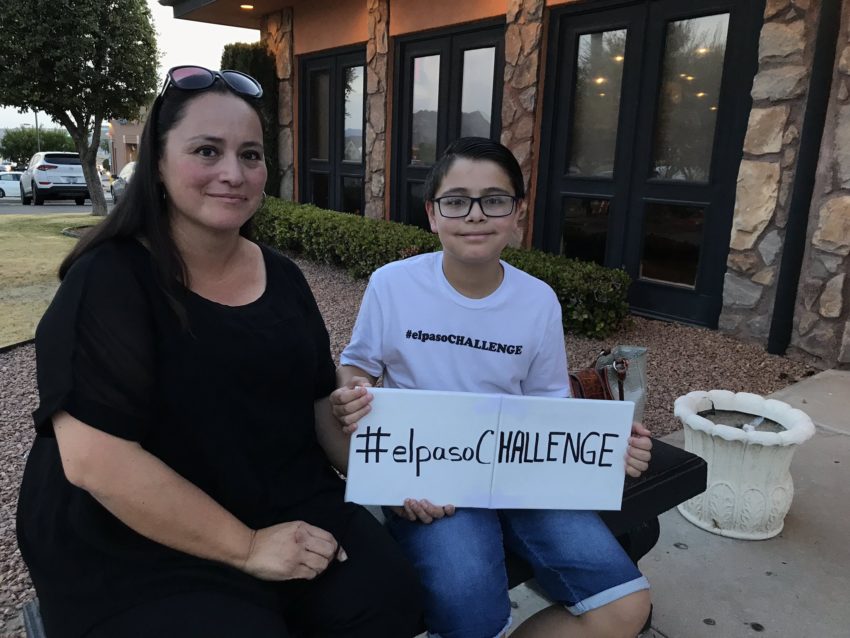
Last week's horrific mass shooting that targeted Latinos in an El Paso Walmart has shaken the nation. In spite of the hatred that motivated the shooting, 11-year-old Ruben Martinez in El Paso started a campaign on social media to help his community heal: The El Paso Challenge. Ruben suggested that kindness could be spread by doing 20 good deeds in honor of the victims of the shooting (the death toll later rose to 23). It all started when Ruben told his mom, Rose Gandarilla, he was afraid to go to the store. "He was having some trouble dealing with what happened," Rose Gandarilla, Ruben's mother, told CNN. "I explained to him that we could not live in fear and that people in our community are caring and loving. I told him to try and think of something he could do to make El ...
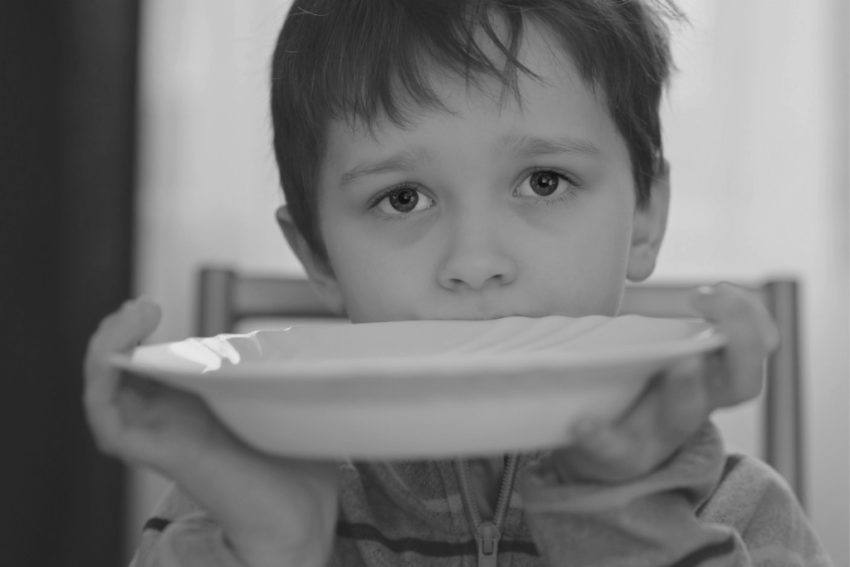
The attack on SNAP food aid is far from over. After staving off cuts to SNAP in 2018 and 2019, the Trump administration now wants to change the way states determine who qualifies for Supplemental Nutrition Assistance Program (SNAP). The change could take away food from 3 million people, according to health experts. "This rule would take food away from families, prevent children from getting school meals, and make it harder for states to administer food assistance," Sen. Debbie Stabenow of Michigan and the Senate Agriculture Committee told NPR. USDA is asking for public comments on SNAP until Sept. 23, 2019.
How to Make a Comment to Save SNAP!
1. Copy one of our Salud America! model comments. Tweak the parts in green:
SNAP HAS WORTH
I am a NAMEOFPROFESSION in NAMEOFPLACE. ...
Early experiences can influence a person’s entire life. Specifically, stress due to adversity, poor nutrition, and exposure to environmental toxins can lead to biological changes, which make people more likely to experience physical and mental health problems later in life. Although individual interventions are important for addressing immediate needs, they alone will not advance health equity, according to a new report from the National Academies of Sciences, Engineering, and Medicine. The report provides science-driven recommendations to address the social, economic, environmental, and cultural determinants of health and early adversity. They say to advance health equity, decision-makers must address the systemic root causes of poor health and chronic ...
Most understand that systemic racism in the healthcare industry has been a problem for a long time — it continues today. Recent research has shown that Latino and black children are more likely to die of childhood cancers than their white counterparts. Still, some medical organizations realize this gap, which has led to some progress . The American Academy of Pediatricians initiated a call to action in its recent policy statement earlier this week, which aims to reduce the impact of racism and improve health equity for all children. “While progress has been made toward racial equality, the impact of racism on communities of color is wide-reaching, systemic and complex,” Dr. Maria Trent, lead author of the policy statement, said in a press release. The document brings ...
For nearly 100 years, it has been illegal to build anything other than detached, single-family homes on most residential land. As a result, many cities are facing a housing affordability and stability crisis which disproportionately displaces Latinos and low-income communities of color, contributing to disparities in health and wealth. That’s why advocates across the country are pushing for rent control and more inclusive zoning laws — and it’s working in Oregon (13.3% Latino). This year, Oregon passed Senate Bill 608 and House Bill 2001. These laws include three major policy changes: Banning no-cause evictions, passing state-wide rent control, and legalizing duplexes.
Affordable Housing Crisis
As access to affordable housing diminishes across the nation, Americans are ...
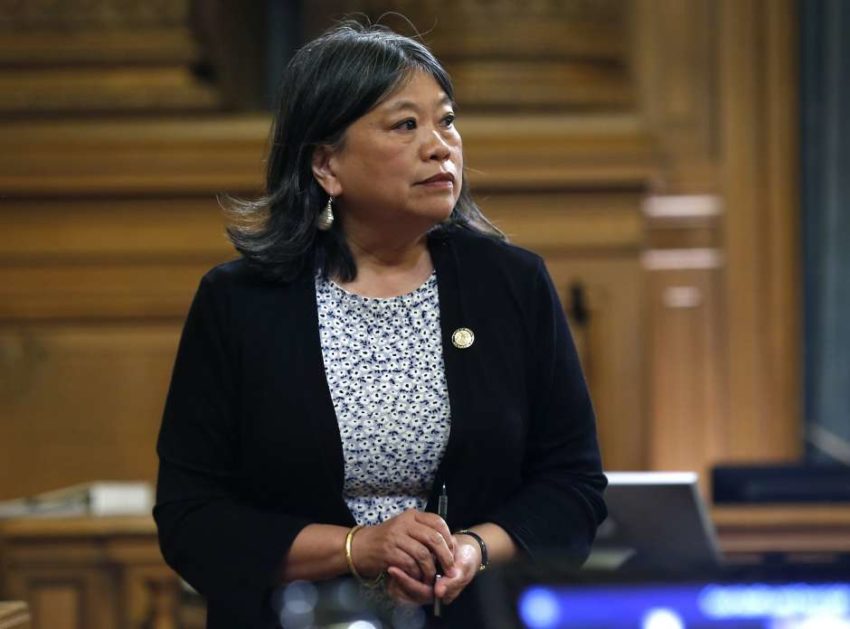
The City of San Francisco (15.1% Latino) unanimously approved legislation to create an Office of Racial Equity on Tuesday. The position will oversee a citywide race-equality plan, according to city officials as reported by NBC Bay Area. "This legislation will hold us accountable to moving the needle for racial equity in our city and addressing the disparities facing communities of color with regards to economic stability, housing, health outcomes or policing," said City Supervisor Sandra Lee Fewer, who proposed the legislation along with Supervisor Vallie Brown. "It is long past due that San Francisco makes real our commitment to racial equity, and this Office of Racial Equity will make sure that everyone in San Francisco has equitable opportunity to survive."
Racial Equity ...
Minorities who visit an emergency room in the U.S. are less likely to receive prescriptions for certain medications than Whites, according to a new study. Researchers found that Latinos and Blacks specifically face disparities in obtaining analgesics, which include a wide range of pain killers. The study also noted that other minority communities might undergo similar experiences, but further research is needed in the topic. “The reasons for these disparities are likely complex and multifold and may include factors such as implicit bias, language barriers, and cultural differences in the perception and expression of pain and institutional differences in ERs that serve mostly Black and Hispanic patients,” Dr. Andrew Meltzer, senior author of the study and a researcher at George ...
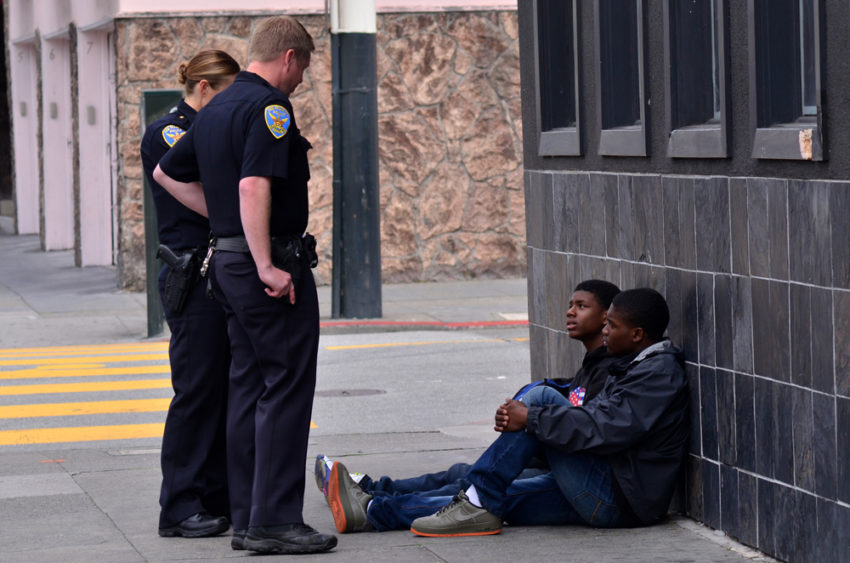
The San Francisco district attorney’s office said it plans to enable prosecutors to make charging decisions in some criminal cases without knowing the race or background of the suspects and victims, a move aimed at reducing the potential for implicit bias in prosecutions, according to the L.A. Times. This is great news for Latinos and minorities, who traditionally face negative stereotypes and police discrimination.
What is Implicit Bias?
This unconscious thinking is preconceived attitudes or stereotypes that affect our understanding, actions, and decisions. Assumptions like these then influence your actions and judgments: A widely held, simplified, and essentialist belief about a specific group (race or ethnicity, language, socioeconomic status, sex, sexuality, and so ...
Researchers have recently discovered 65 genetic variants in minority populations, which could lead to improved specialized medicines for those groups. Up to this point, doctors have conducted the majority of medical discovery research using data from people with European ancestry, according to the international science journal, Nature — leading to a lack of diversity that hinders precision medicine for minority populations. The news is excellent for Latinos and all minorities who have traditionally been understudied or left out of clinical research. “This is an extremely important public health issue,” Misa Graff, assistant professor in the school’s epidemiology department and co-author of the paper told UNC News. “We need to work hard to make sure that the ...