¿Es usted un sobreviviente de cáncer Latino? ¡Participe en el estudio Avanzando Caminos de UT Health San Antonio! Avanzando Caminos tiene como objetivo inscribir 1.500 sobrevivientes de cáncer Latinos en el Sur de Texas y 1.500 más en Miami para estudiar las influencias sociales, culturales, mentales, biológicas y médicas que afectan la vida después del cáncer. El estudio es patrocinado por el National Cancer Institute. En South Texas, el estudio está dirigido por la Dra. Amelie G. Ramirez de UT Health San Antonio y el Mays Cancer Center. “Con la ayuda de nuestros sobrevivientes de cáncer latinos, podemos ayudar en el futuro a que otros sobrevivientes de cáncer latinos sanen, se recuperen y reduzcan su riesgo de que el cáncer regrese”, dijo Ramirez, quien ...
Are you a Latino cancer survivor?
Volunteer for the Avanzando Caminos study at UT Health San Antonio!
Avanzando Caminos aims to enroll 1,500 Latino cancer survivors in South Texas and 1,500 more in Miami to help unpack the social, cultural, behavioral, mental, biological, and medical influences on post-cancer life. The study is funded by the National Cancer Institute. The South Texas site is led by Dr. Amelie Ramirez of UT Health San Antonio and Mays Cancer Center. "With the help of Latino cancer survivors, we can help future Latino cancer survivors heal, recover, and reduce the chance for cancer to come back," said Ramirez, who also leads the Salud America! program at the Institute for Health Promotion Research at UT Health San Antonio. To volunteer for ask questions, go ...
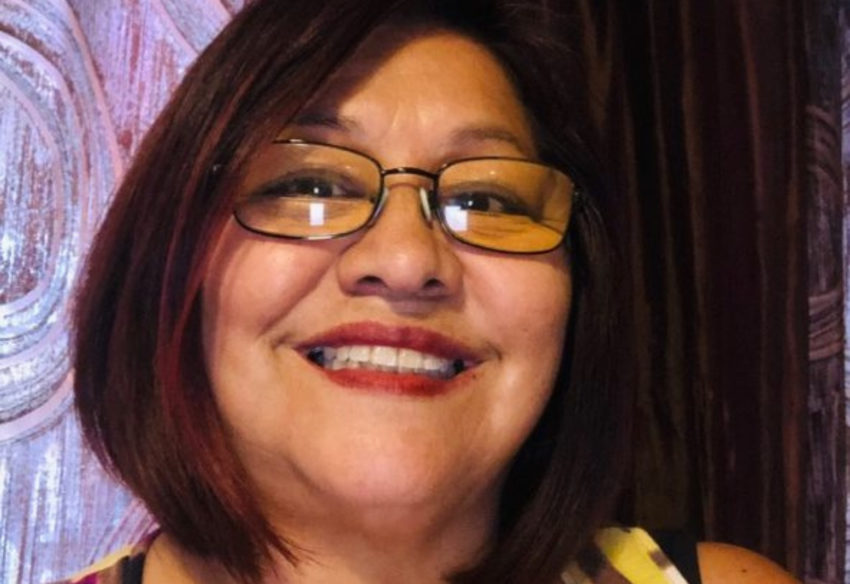
Jeraldine Ortiz knows that breast cancer is tough for Latinas. Breast cancer is the top cause of Latina death. This stems from cultural barriers to care, low screening rates, and low participation in clinical trials studies trying to find better treatments. This is why Ortiz, when diagnosed with breast cancer, volunteered for a clinical trial. Today, after more than 15 years as a cancer survivor, Ortiz said she strongly believes her participation in a clinical trial at UT Health San Antonio helped her get better treatment and better quality of life in her post-cancer journey. “Clinical trials give the opportunity to better treatment for all populations," Ortiz said. "We have a better future."
Ortiz Chooses a Breast Cancer Clinical Trial
In 2006, Ortiz was diagnosed with ...
Jeraldine Ortiz sabe que el cáncer de seno es difícil para las latinas. El cáncer de seno es la causa principal de muerte entre latinas. Esto se debe a las barreras culturales para la atención de salud, las bajas tasas de detección temprana y la baja participación en los estudios clínicos que buscan encontrar mejores tratamientos. Esta es la razón por la que Ortiz, cuando fue diagnosticada con cáncer de seno, decidió participar en un estudio clínico. Hoy, después de más de 15 años como sobreviviente de cáncer, Ortiz dijo que cree firmemente que su participación en un estudio clínico de UT Health San Antonio la ayudó a obtener un mejor tratamiento y una mejor calidad de vida después del cáncer. "Los estudios clínicos dan la oportunidad de un mejor ...
Hip hop artist Chuck D, one of the founding members of Public Enemy, once urged people of color to “Fight the Power.” Now he’s urging them to fight cancer. Chuck D wants people to “check your behind” and get screened for colon cancer as part of a new public service announcement (PSA) from Stand Up to Cancer / Unidos Contra El Cancer, a charitable fundraiser for cancer research. DJ and poet Pete Colon sings the same musical message in a Spanish-language PSA. In another PSA video, actress Uzo Abuda urges people of color to join clinical trials. “Hip-hop has a powerful voice and we’re using it to help make the community better, to try to get people to pay attention, to stay healthy and to catch things early instead of reading about it when it’s too late,” said ...
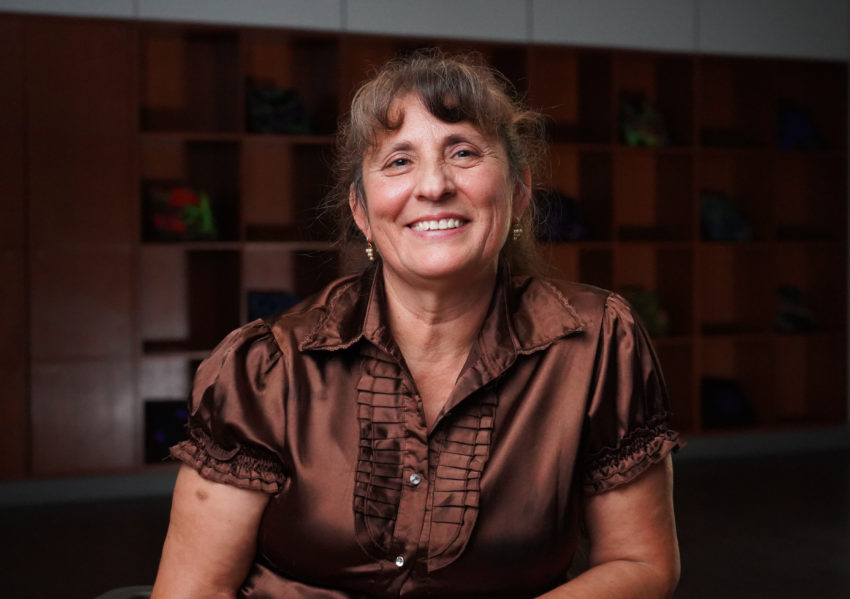
Breast cancer is the top cause of death for Latinas. But Alma Lopez has been a breast cancer survivor for more than 15 years. She believes participating in a clinical trial at UT Health San Antonio helped her get better treatment and better long-term health in her survivorship journey. “Clinical trials are great for finding new treatments that help people,” Lopez said. “And it helps the scientists. It gives opportunity to better medication for all populations. It builds a better future.”
Lopez Chooses a Breast Cancer Clinical Trial
About 15 years ago, Lopez was diagnosed with breast cancer. Lopez began weighing her treatment options. At first, she had doubts about whether to volunteer for a clinical trial. She thought it might take too much time, or cause ...
El cáncer de Seno es la causa principal de muerte en las latinas. Pero Alma López ha sido una sobreviviente de cáncer de seno por más de 15 años. Ella cree que su participación en un estudio clínico de UT Health San Antonio la ayudó a tener un mejor tratamiento y a largo plazo una mejor salud en su camino de supervivencia. "Los estudios clínicos pueden encontrar tratamientos nuevos que ayudan a las personas", dijo López. "Y ayudan a los científicos. Ofrecen la oportunidad de tratamientos mejores para todas las poblaciones. Construyen un futuro mejor".
López Decidió Participar en un Estudio Clínico de Cáncer de Seno
Aproximadamente hace 15 años, López fue diagnosticada con cáncer de seno. López comenzó a considerar sus opciones de tratamiento. Al ...
Simple logistics—availability, childcare, and time—stop some Latinas and other women of color from volunteering for breast cancer clinical trials, according to a new survey. The survey, led by For The Breast of Us, an online breast cancer survivor community, and Sommer Consulting, found that the anticipated time demands of a clinical trial may appear "too intimidating." Most women of color struggle with multiple demands in their lives. The perceived or real logistics of participating in a clinical trial could make it harder. One respondent said: “You still have to worry about how am I going to run my household, especially as a woman of color, who typically a lot of times are single-family or single-parent households." "The results of this survey demonstrate how ...
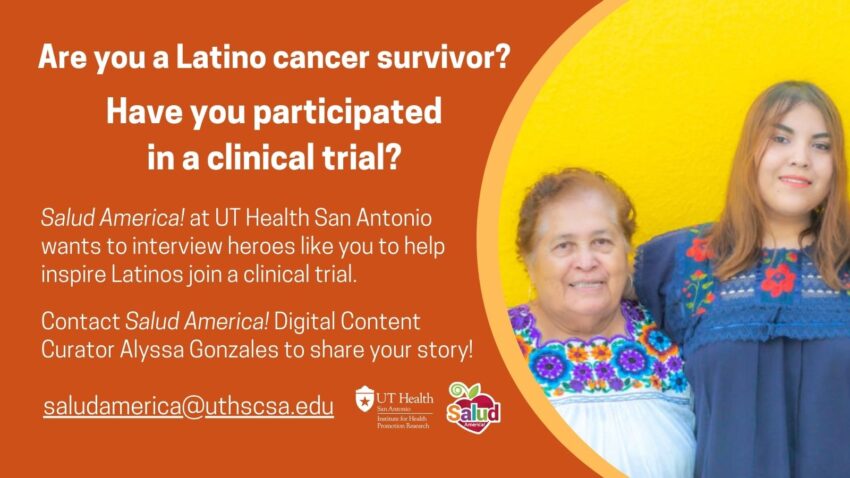
Are you Latino? Have you participated in a clinical trial related to cancer, Alzheimer’s, or another condition? If so, we want to talk with you and share your story! Salud America! is looking to interview and write stories about heroes like you — Latinos who have participated in a clinical trial — to showcase the benefits of volunteering to inspire other Latinos to volunteer, too. Dr. Amelie G. Ramirez’s Salud America! program at UT Health San Antonio is sharing the stories of clinical trial heroes with the support of Genentech, a member of the Roche Group. “Clinical trials are studies that help researchers learn more and more to help slow, manage, and treat Alzheimer's and cancer,” Ramirez said. “Clinical trials help us fight for our familia.” To share ...