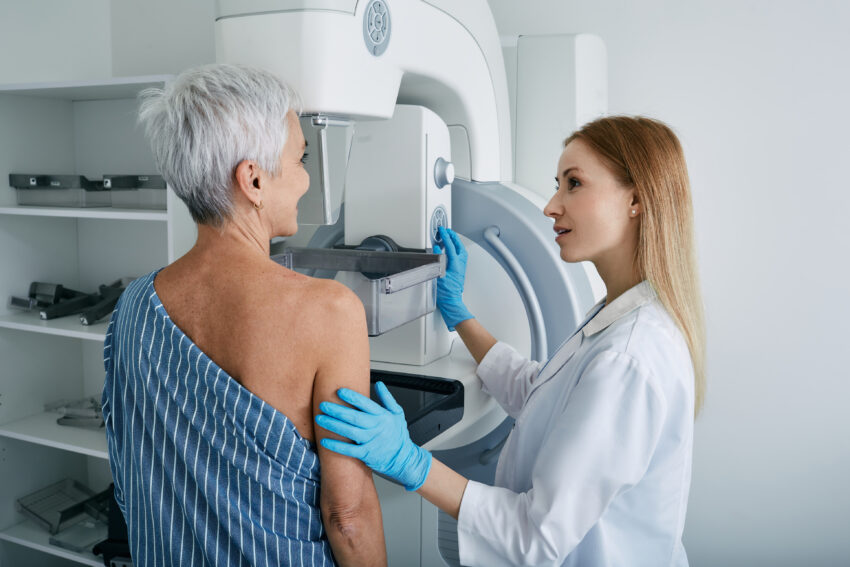
Algunos meses después de la muerte de su madre, Mary González consulto con su doctor si era necesario hacerse un mamograma, el doctor le dijo que estaba muy joven. Dos años después se encontró un bulto por debajo de su brazo y después de insistirle a su doctor que lo revisará descubrió que tenía cáncer de seno. “Era como una pesadilla. Todas las cosas pasaban muy rápidamente y yo estaba muy aturdida. Se tenían que tomar muchas decisiones en muy poco tiempo. Me aterrorizaba acordarme de mi mamá cuando estaba recibiendo su tratamiento de quimioterapia, la pérdida de su pelo, la náusea y el vómito,” nos cuenta Mary. La lucha contra el cáncer se convirtió en una batalla familiar para la familia González. “Mi esposo y yo nos educamos sobre el cáncer del ...
Meg Reyes, fue diagnosticada con cáncer de seno con apenas 33 años “Solamente requería una tumorectomía”, dice ella, “pero a causa del tamaño de mi tumor mis doctores fueron muy agresivos con mi tratamiento y me removieron 16 ganglios”. Con el apoyo incondicional de sus familiares y amigos Megan sobrevivió el cáncer de seno. Diez años después, Megan es una consejera no-oficial para pacientes recién diagnosticadas con cáncer, ha perdido 150 libras, ha vivido en Alemania e Inglaterra y ha sido madrina de un estudiante de intercambio japonés. El sobrevivir “significa vivir aun después de que algo difícil se cruce en tu camino. No tiene que ser cáncer, puede ser cualquier cosa que hayas sobrevivido y como manejas esas situaciones.” Lee la historia ...
Although risk is higher for some women, breast cancer remains a top cause of death. Spread awareness about breast cancer and the importance of getting regular mammograms by joining our weekly #SaludTues tweetchat! WHAT: #SaludTuesTweetchat: “Breast Cancer: Early Detection Saves Lives”
DATE: Tuesday, October 6, 2015
TIME: 1-2 p.m. ET (Noon-1 p.m. CT)
WHERE: On Twitter with hashtag #SaludTues
HOST: @SaludAmerica
CO-HOSTS: FDA en Espanol (FDAenEspanol,) FDA Women (@FDAWomen) Gobierno USA (@GobiernoUSA) USA Gov (@USAGov) Be sure to use the hashtag #SaludTues to follow the conversation on Twitter/X and share your stories and resources. #SaludTues is a Tweetchat on Twitter/X that focuses on a variety of different health issues. From September 2014 to March ...
Breast cancer is a top killer. But survival is possible. In 2004, a group of 26 cancer survivors from South Texas shared their stories to inspire hope, comfort, and resiliency in a bilingual booklet called Nuestras Historias: Mujeres Hispanas Sobreviviendo el Cáncer del Seno (Our Stories: Women Surviving Breast Cancer). 2014 marked the booklet’s 10th anniversary. Today, 16 of the remaining survivors have new, courageous stories to tell about the importance of cancer screening and that women can not only survive cancer, but thrive in the workplace, school, home, and family. Read their ...
The National Institute of Arthritis and Musculoskeletal and Skin Disease (NIAMS) has launched a new Spanish-language website that provides free health information on conditions of the bones, joints, muscles, and skin. “Many diseases in our scientific portfolio, including lupus, arthritis, and osteoporosis have profoundly negative effects,” said NIAMS Director Dr. Stephen Katz. “We are committed to providing quality health information to all people, no matter what language they speak [or their background].” The new site features easy-to-use navigation tools to help Spanish-speaking individuals identify and locate NIAMS health topics. Some of the features offered include improved access to NIAMS Spanish-language federal information and resources, information on ...
Many students don’t meet daily recommendations of physical activity. They often lack access to quality activity opportunities during school and they are burdened by challenges for quality activity opportunities after school, such as safety, availability and cost. Kids that don’t meet daily recommendations of physical activity are at increased risk for obesity and other adverse health outcomes. Jennifer Hershey and Jennifer McCloughan, two PE teachers in Edmonds School District in Washington, developed a before/after school program as well as a recess program to help kids reach 60 minutes of recommended daily activity on most days of the week. They developed these programs to be implemented in schools to reduce challenges associated with safety, availability, and cost.
PE ...
Now you can be more connected with health issues with a new bilingual live show produced by Salud America!. #SaludbySandra & #SaludconSandra will air every Tuesday at 11 a.m. ET on Periscope and Twitter. The show is hosted by Professor Sandra San Miguel, Research Instructor at the Institute for Health Promotion Research at UT Health San Antonio. Here’s the schedule of the topics we will cover in the next three weeks: 09/15/2015- National Childhood Obesity Awareness Month
09/22/2015- Oral Health Habits
09/29/2015- Family Health & Fitness You can catch the show live on Periscope and ...
Over the last several years, millions of U.S. kids have been connected with free or low-cost health coverage through Medicaid and the Children’s Health Insurance Program (CHIP). But more than 3 million kids remain eligible but uninsured. Join us for a #SaludTues Tweetchat on Sept. 15, 2015, to tweet about what we can do to close the gap and make sure that all kids—and more parents, too—get the health insurance they need and deserve: WHAT: #SaludTues Tweetchat: “Connecting Kids to Health Coverage”
DATE: 1-2 p.m. ET (Noon-1 p.m. CT), Tuesday, Sept. 15, 2015
WHERE: On Twitter with hashtag #SaludTues
HOST: @SaludAmerica
CO-HOSTS: The Centers for Medicare & Medicaid Services’ Connecting Kids to Coverage Campaign (@IKNGov) and National Council of La Raza ...
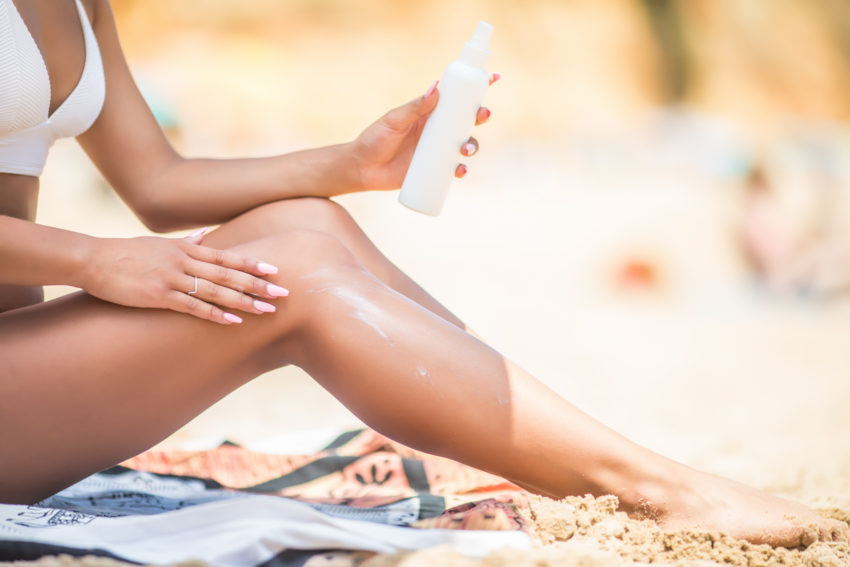
Summer is almost over, but there’s still time for one last trip to the beach, a family picnic, sand volleyball or fishing. Just keep in mind the risks of sun overexposure, such as skin cancer. Melanoma, the most serious form of skin cancer, is responsible for 79 percent of skin cancer related deaths, and is the leading cause of cancer death among women ages 25-30. People of all skin types and backgrounds are at risk. But, you don't have to hide from the sun. Doctors say you can protect from skin cancer by following these simple tips: Use a sunscreen with an SPF of 15 or higher everyday
Cover up with clothing, including UV-blocking sunglasses
Apply 1 ounce of sunscreen to your entire body 30 minutes before going outside
Examine your skin head-to-toe once every ...