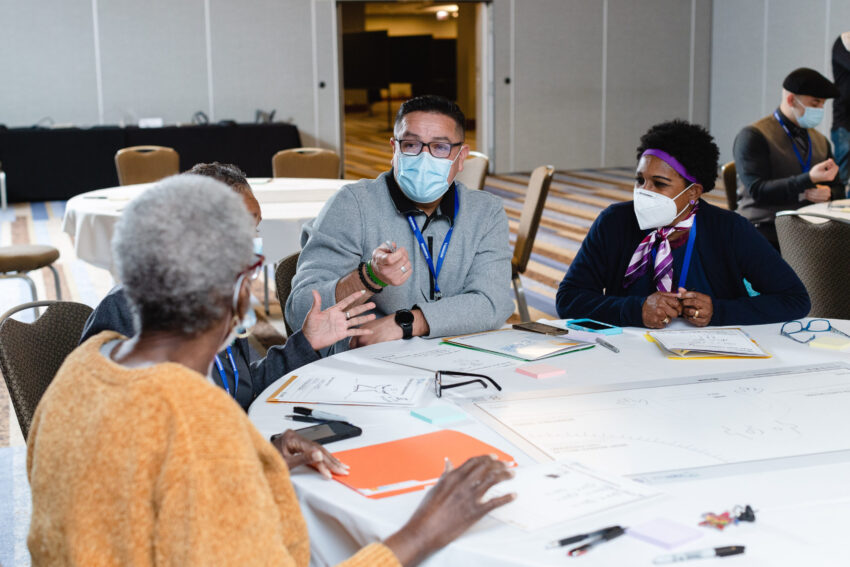
Researchers need your help as they seek to better understand how lung cancer impacts people differently and how to improve treatment and quality of life. That’s why the GO2 Foundation for Lung Cancer started its Lung Cancer Registry. The international Lung Cancer Registry, available to join now, aims to double the 5-year survival rate of lung cancer patients from 20% to 40% by 2025. “By sharing your lung cancer story, contributing your experiences as a person with lung cancer or a caregiver of someone with lung cancer, you are helping the research community develop new treatments,” according to GO2. Let’s dive into more about the registry, how you can join, and how it can help Latinos.
Joining the Lung Cancer Registry
Participants interested in ...
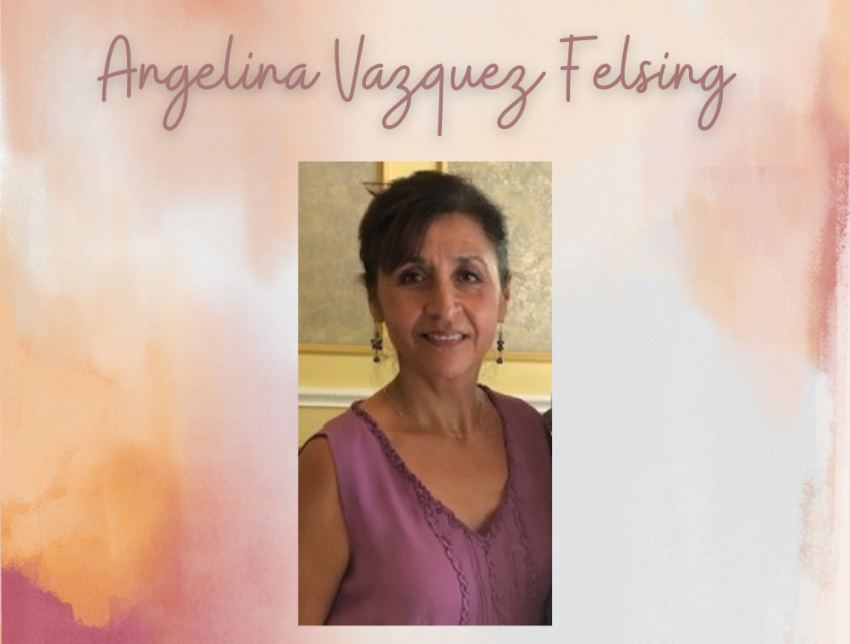
“It was kind of a fluke.” That’s how Angelina Vazquez Felsing describes the events that led to her diagnosis of lung cancer. Like many, Vazquez Felsing maintained a healthy lifestyle. She didn’t smoke. She ate healthy, ran regularly, and had no family history of cancer. Vazquez Felsing, who immigrated from Mazatlán, Mexico, in 1972, grew up in the Floresville area and has lived in San Antonio for many years. It all started when Vazquez Felsing went to her yearly checkup through the wellness program at her job, where she has worked as a systems analyst for 17 years. “They found something that was a little bit odd. They said, ‘Well come back in a year, and we'll do another CT scan,’” she said. “And when I went back, they found that whatever ...
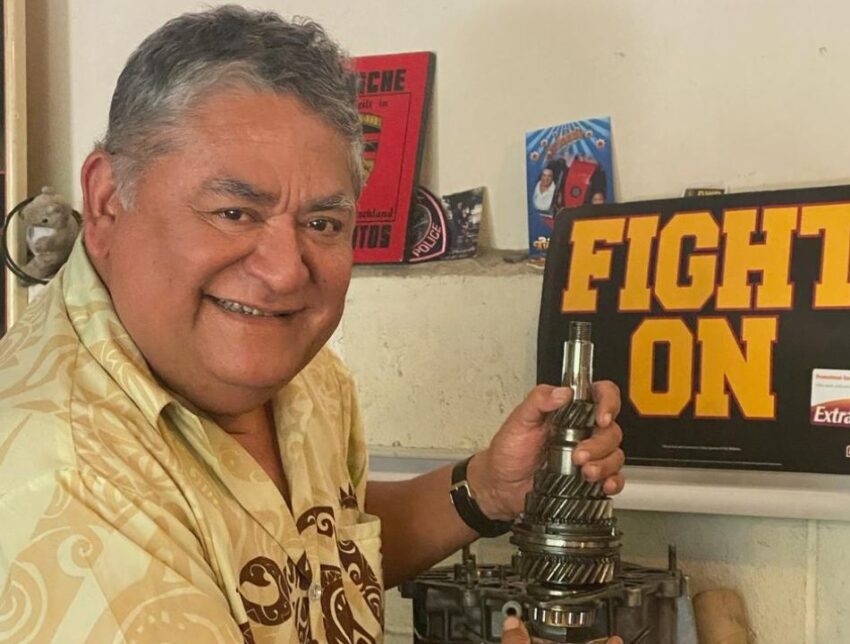
Colorectal cancer is a leading cause of cancer death among people of Hispanic and Latino descent in the United States. Adan Reinosa Rivera, a retired electrical engineer in Los Angeles, is doing his part to change that. Mr. Reinosa has been living with metastatic colorectal cancer for more than a decade. The cancer was detected in his lungs a few months after a tumor was removed from his colon. He’s been managing the disease with his doctor ever since. Now, as the first participant in a genetic study called ENLACEExit Disclaimer, Mr. Reinosa is helping to build a body of knowledge about the molecular features of colorectal cancers in Hispanic and Latino people. The study, supported by the Cancer MoonshotSM, aims to learn more about the disease in people of Hispanic and ...
We know that Latinos are impacted by Alzheimer’s, dementia, and other health conditions like Parkinson’s disease. That is why it’s important to have support and resources for those who are impacted, as well as their families and caregivers. Let’s explore various support groups from the Glenn Biggs Institute for Alzheimer’s and Neurodegenerative Diseases at UT Health San Antonio!
Support for Those with Lewy Body Dementia
The Biggs Institute hosts an in-person support group, Living Together with Lewy: Support group for Individuals Living with Lewy Body Dementia and their Care Partners. Lewy Body Dementia is the second-most common form of dementia, behind Alzheimer’s. It results in irreversible cognitive decline and movement problems like Parkinson's ...
Nearly 7 million U.S. Latinos provide unpaid care to aging or older relatives. Many Latinos are expected to take on the respectable, but high-stress, role and often don’t consider themselves as caregivers. How can we ensure that caregivers along with their loved ones are receiving the help and support that they need? Let’s use #SaludTues on Nov. 7, 2023, to explore the important roles that caregivers take on along with how we can better support them and their loved ones. WHAT: #SaludTues: How to Help Latino Caregivers Support Loved Ones Who Have Alzheimer’s or Cancer
TIME/DATE: 1-2 p.m. EST (Noon-1 p.m. CST), Tuesday, Nov. 7, 2023.
WHERE: On Twitter (X) with hashtag #SaludTues
HOST: Salud America! at UT Health San Antonio ...
Going on its fourth year, the Centers for Disease Control and Prevention’s (CDC) Project Firstline aims to provide all healthcare workers with the infection control training and resources they need to prevent the spread of infectious diseases. Project Firstline is made up of a group of more than 80 healthcare, public health, and academic partners, as well as state, local, and territorial health departments. In collaboration with the National Hispanic Medical Association, Salud America! is one of those partners. Today, we’re exploring some of Project Firstline’s collaborative efforts to support infection control training in the classroom.
AHA and League Partnership
In 2021, Project Firstline launched a new collaborative partnership with the American Hospital Association ...
One of the many factors that contributes to the differences within mental health in the Latino community is lack of accurate and relevant resources. With this need in mind, Mental Health America (MHA) has launched a Spanish Mental Health Resource Center complete with Spanish-language resources and tools. Let's examine what these resources have to offer and why materials like these are important for Latinos.
Spanish Mental Health Resource Center
Fostering mental health awareness and support for all is crucial. “Language [hurdles] can make communicating with providers difficult, or even impossible, particularly when a person is seeking counseling for sensitive or uniquely personal issues,” according to the National Alliance on Mental Illness (NAMI). “These ...
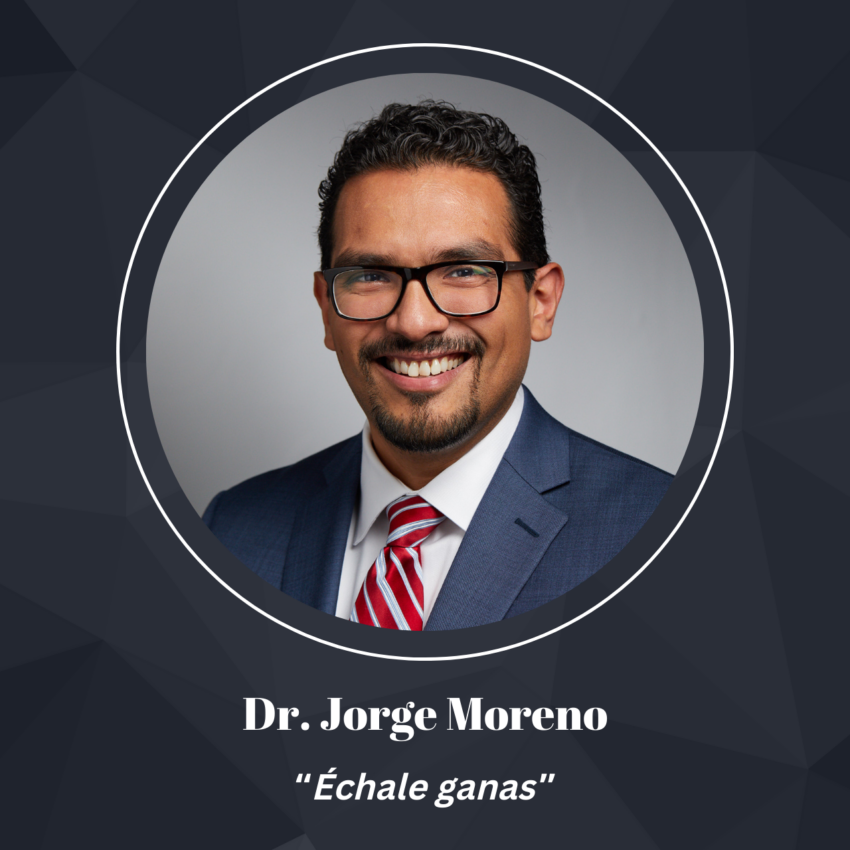
Late nights studying had become the norm for young Jorge Moreno. While he poured over his college textbooks, Jorge recalled the dream he’d had since he was very young – becoming a doctor – and he pushed himself to strive forward. “Échale ganas,” Jorge’s father would say in encouragement (“give it your all,” in English). With the support of his family and mentors, Jorge would go on to achieve his dreams and more. He would become a board-certified internal medicine and obesity medicine physician, and an assistant professor of medicine at Yale School of Medicine. In this position, he would also become a liaison for the Latino community during the COVID-19 pandemic and play a critical role in infection control in both the community and clinical ...
The National Eye Institute has provided educational tools and resources in both English and Spanish that focus on vision rehabilitation. Let’s explore these resources and how they can be beneficial for Latinos and all people!
What is Vision Rehabilitation?
Millions of people in the United States are living with visual impairments like blindness, glaucoma, cataracts, and other vision problems. “A visual impairment can make it hard to do everyday activities like driving or reading,” according to the National Eye Institue. “A visual impairment can’t be fixed with glasses, contacts, or other standard treatments like medicine or surgery.” Vision rehabilitation can help make the most of the vision you have and improve quality of life. There are lots ...