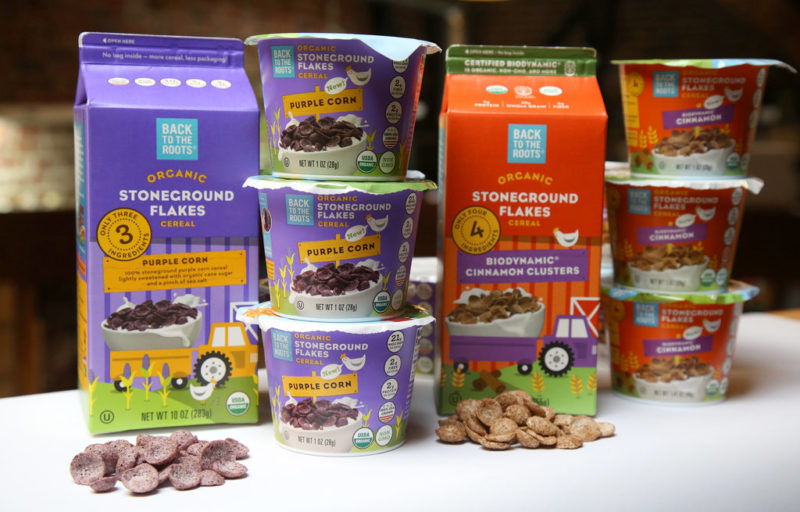
A new taste test around breakfast cereals made one school in New York switch its breakfast brand of cereals of Kellogg's popular Kashi brand, to a small local upstart brand called Back to the Roots, known for lower levels of sugar, salt, and calories. The local company's cereal is also organic, free of preservatives and doesn't artificially add vitamins, Breitbart reports. Kids preferred Back to the Roots brands over other cereals, and the school will now be offering more of the local brand but still offering some of other big brands including General Mills, Post Foods. The local cereals that advertise stoneground flakes, made of purple corn and organic whole grain ingredients are being implemented in the free-breakfast program across the largest school system in New York ...
A new funding opportunity is rising from Voices for Healthy Kids, working to ensure that all children have access to healthy food and physical activity where they live, learn, and play. The purpose of the Strategic Campaign Fund Incubator opportunity is to support innovative advocacy approaches that align with Voices for Healthy Kids policy priorities. Funding requests may range from $15,000 to $30,000 and all grants awarded will be 100% non-lobbying funding and all applications must be submitted by the deadline on Friday, March 31, 2017, 5 pm EST. To learn more about the incubator opportunity email Shannon.Melluzzo@heart.org and/or register for the webinar on the Incubator Application 101 being held, Monday, March 6th from 2-3pm EST. The webinar will review the funding ...
Latino kids who live in areas with higher levels of air pollution have a heightened risk of developing type 2 diabetes, according to a new study. USC researchers tracked 314 overweight/obese Latino kids ages 8-15 in L.A. County. None had diabetes at study start. But by the time kids turned 18, those who lived in areas with high levels of air pollution had 13% less-than-normal efficiency in their insulin-producing cells, making them more prone to eventually developing diabetes, according to USC news. These children lived in neighborhoods that, according to the U.S. Environmental Protection Agency, had excess nitrogen dioxide and tiny air pollution particles that are generated by automobiles and power plants. “Exposure to heightened air pollution during childhood increases ...
What does "active living" really mean? It means infusing physical activity into your daily life. We shouldn't have to depart from our normal routines to get the mental and physical benefits of moving more and sitting less, which are proven to improve your health and reduce your disease risk. But not all neighborhoods have safe sidewalks or parks, and not all schools and employers provide time or space to be active. This causes certain disparities in adverse health outcomes for certain populations. Let’s use #SaludTues on Tuesday, March 7, 2017, to tweet on how diverse partners can unite to make daily physical activity a reality where Latinos and all people live, learn, work, and play: WHAT: #SaludTues Tweetchat: “How to get Diverse Partners to Buy Into Physical ...
Communities and organizations play a role in developing policies and programs to support walking, biking, physical activity, and healthy communities. Whether for recreation, transportation, work, or household, physical activity improves mental and physical health and reduces risk for chronic disease. In order to reduce health disparities, it is important for communities to ensure that all residents have access to safe places to walk, bike, play and be active where they live, learn, work, play, pray, according to a Salud America! research review. Check out these seven case studies from Voices 4 Healthy Kids and Safe Routes to School National Partnership. They demonstrate successful state- and local-level campaigns to increase physical activity, through active transportation ...
National Nutrition Month is all about getting the word out about making the healthy choice the easy choice for all and what better way to do that than to find out how to support all to have healthy food choice options. The American Heart Association (AHA) is working to bring awareness to the Texas Capitol to encourage policy around healthier food access for the unfortunate 3.4 million Texans that simply don't have a choice for healthy food as they deal with limited access to health food options. AHA is asking everyone to support the healthy choice for everyone, by joining them on Thursday, March 23rd in Austin to meet with elected officials to discuss specific legislation that will help increase access to healthy food in underserved communities and help encourage healthier early ...
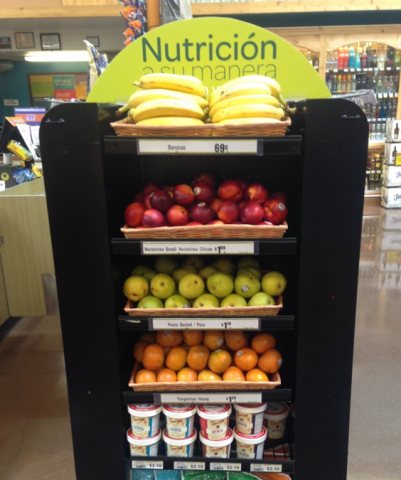
Success for Northgate Gonzalez markets in Southern California all comes down to its healthy marketing tactics. Since their Viva la Salud, they have been working in their stores to create healthy marketing and a comprehensive wellness program to entice shoppers to choose fresh fruits and vegetables and healthier products. Back in 2016, LA parents saw that more needed to be done in all grocery stores around California, where checkout lanes tempted parents and kids alike with unhealthy foods like sodas, chips, and candies. Parents worked with groups including Choose Health LA Kids, Los Angeles County Department of Health, First 5 LA, the Interagency Retail Alliance (IRA) which includes Choose Health LA Kids-Choose Health LA Kids—The Children’s Clinic, AltaMed, Public Health ...
Childhood obesity is a serious problem facing our country, especially among Latinos who have far less healthy weights than their non-Latino peers. A new study has found an unlikely, controversial source for Latino childhood obesity: Antibiotic exposure. Exposing a child to antibiotics before the age 6 months increases the risk of obesity by age 2 for Latino infants in low-income urban communities, according to an article published in the journal Childhood Obesity. Study authors determined that antibiotics might have “harmful effects … on the healthy gut microbiome” during the early period of development for young children. This could increase the risk of obesity as they get older. “The work by [Drs. Annette Ville, Janet Wojcicki, and others at the University of ...
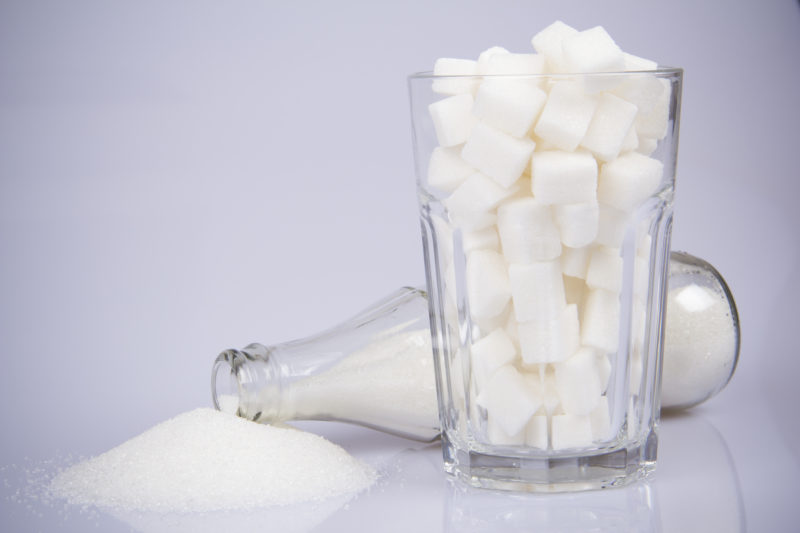
Although the topic of taxing sugary drinks in Illinois to help balance the state budget is not off the table since January. A recent poll taken by the American Heart Association shows that over 50% of respondents showed support for a tax on sugary drinks. In fact, according to the AHA poll, over 70% of the 800 poll respondents would rather tax sugary drinks than hike income taxes or expanded sales tax on services. One in three children in the state are considered obese or overweight, and sugary drinks are still a large part of the average American child's diet, leading to higher risks of unhealthy weights, heart disease, and liver disease. Many in Illinois support the tax, including 65% Latino Illinoisans, lawmakers, business owners, and health advocates. Having support for ...