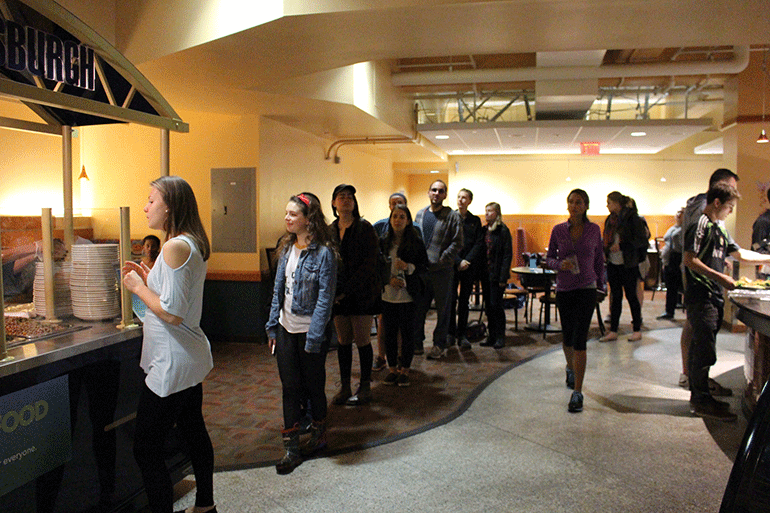
Getting students eager to try new plant-based foods is not always an easy feat. Yet, when healthy options look appetizing and promote vegetarian dishes in a new way, student's curiosity grows. The University of Pittsburgh culinary team collaborated with the Humane Society of the United States (HSUS), in a two-day workshop. They learned new skills and recipes to serve new plant-based dishes to students, hoping to promote a more sustainable diet. Nick Goodfellow, the Sustainability coordinator with Sodexo at Pitt University explained to Food Management that after learning all the new plant- based recipes the team wanted to keep the momentum around plant-based dishes going, but wondered how. The team's solution? Create pop-up food stations. The pop-up food station helped ...
Stroke is the most frequent cause of adult-onset disability in the US. Sadly, there are disparities in average age for stroke, meaning some populations are at an increased risk at a younger age and some populations live with the physical, emotional, and financial burdens at a younger age. For example, the average age for stroke in Latinos is 67 compared to 80 for non-Latino whites. Physical activity may be your best bet to not only prevent a stroke, but to reduce disability or impairment after a stroke. People who are less physically active are less likely to be able to do basic self-care functions like bathing, eating and getting in and out of bed after a stroke compared to those who were regularly physically active, according to a new report. The act of being active may be ...
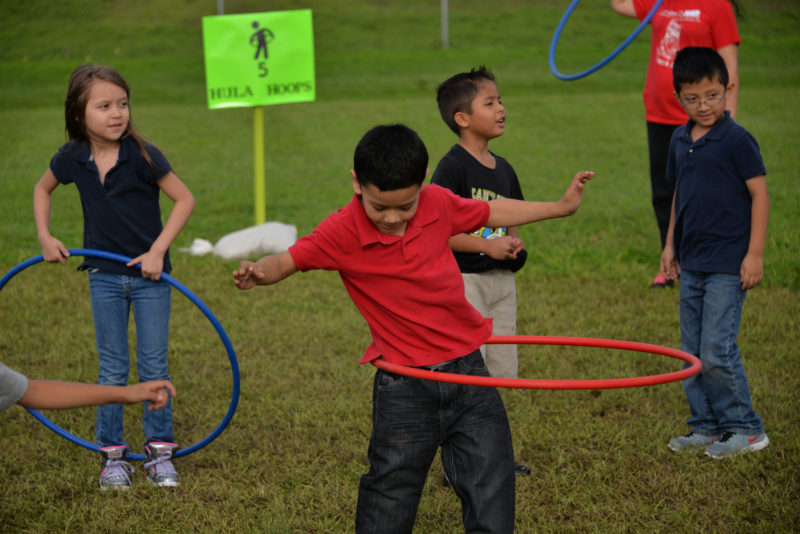
When we are talking about academic performance, there is no right or wrong way to "workout." Any physical activity to get you moving and to get your blood pumping is beneficial and can boost your mood and help you reset and focus. Confederation Park Community School in Saskatoon Canada opens their gym all day and allows students to leave class at any time to burn off some energy. The goal is to empower kids to explore different kinds of physical activity when they feel like they can't concentrate in class. They can walk or run, do weights, play on gymnastics rings, flip big tires over, throw weighted balls, do yoga, dance, and many more activities. "Brain breaks" are one effective method to get kids moving in the classroom, but, as parents and teachers know, kids come to ...
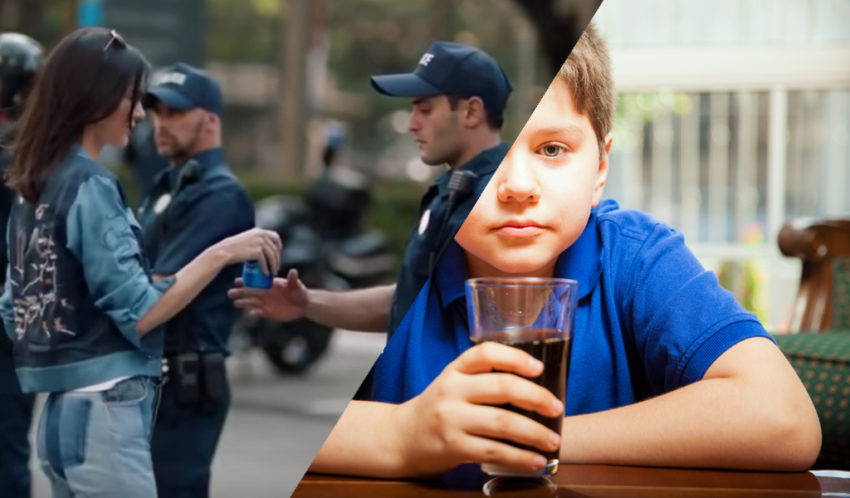
Have you seen Pepsi's soda ad that it yanked after big public outrage? It shows a staged protest with good-looking multicultural crowd and model Kendall Jenner. Jenner gives a Pepsi to a police officer. He smiles, everyone's happy. Social justice delivered and police brutality solved—by soda. The ad sparked a storm of criticism, for some obvious reasons. Even scarier is that sugary drink marketers continues to exploit Latino and Black youth, and stir obesity issues in these groups, according to commentaries by Vox's Julia Belluz and The Washington Post's Michelle Singletary. Belluz writes: "The public health community has long argued that big soda’s targeting of African Americans and Latinos is exacerbating health problems in those communities. We now have a big ...
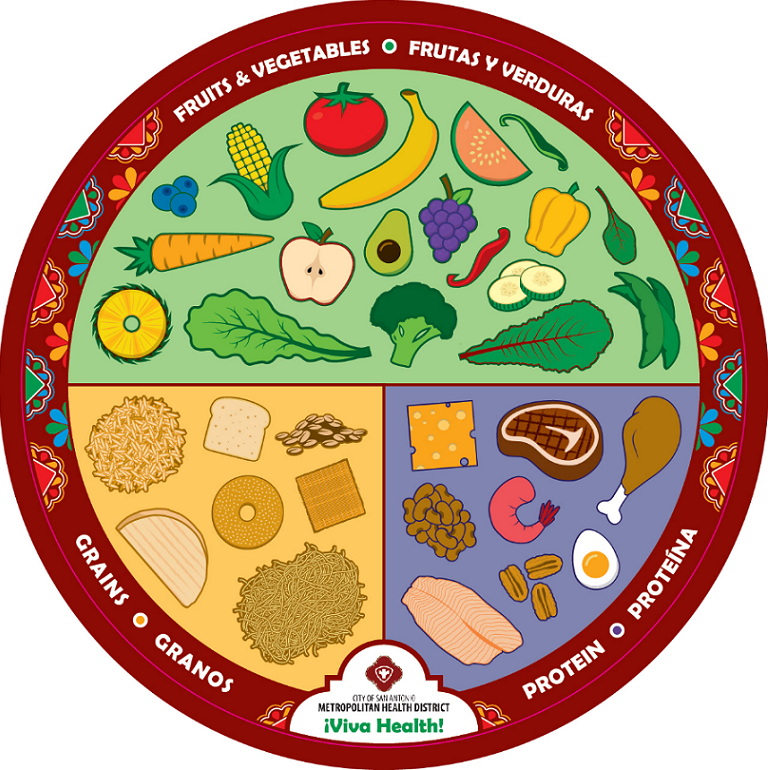
People care deeply about health; however, with so many complicated messages from health experts and contradicting messages from food manufacturers, as well as lack of access to affordable healthy food, it can be very difficult for families to make truly healthy choices. Latinos, in particular, face additional barriers to access healthy food, thus face higher rates of obesity and related chronic diseases. The City of San Antonio Metropolitan Health District (Metro Health) launched a new ¡Viva Health! Eat well, feel great. Come bien, sientete bien. campaign in March 2017 to target the biggest public health threats of this generation—obesity and diabetes. Obesity is linked to numerous burdensome chronic diseases and diminished quality of life, and diabetes can lead to blindness, ...
The Coordinated Approach to Child Health (CATCH) program is an evidence based physical activity and nutrition program for schools that promotes healthy food choices among children. For over 25 years, the CATCH platform has been the most cost effective means of preventing childhood obesity, in an environment that’s fun and easy to sustain. They are the originators of "GO, SLOW, and WHOA" for identifying healthful foods. CATCH has a new digital website! In Spanish, too! "The program aims to impact messaging a child receives in physical education, the lunchroom, the classroom, and the home, to form an effective resource that impacts a child’s choices not only in school, but lifelong." Share this with teachers, PE teachers, principals, school administrators, and student ...
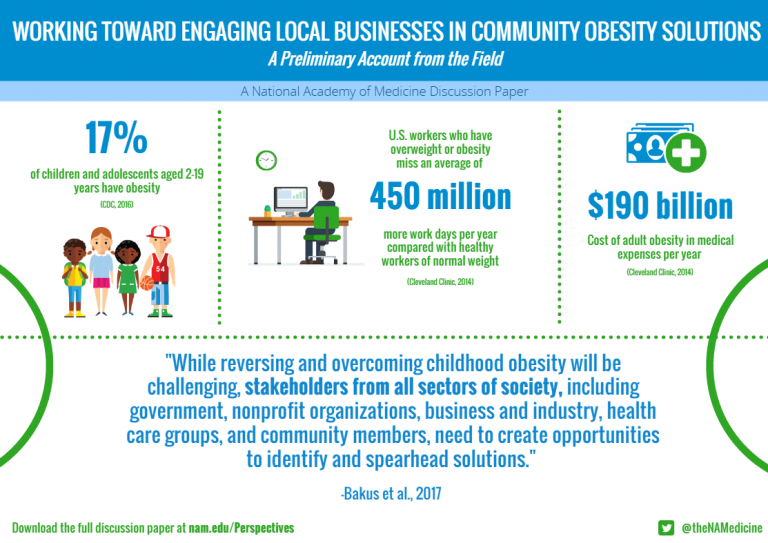
Childhood obesity is a serious public health concern in the United States. About 12.7 million children and adolescents aged 2–19 years, or 17 percent of the population, have obesity. For minorities, the statistics are even more troubling. Nearly 40% of Latino children are overweight or obese (higher rates than both white and black children), placing a significant burden on the current and future state of Latino health. The National Academy of Medicine (NAM) has recently released a discussion paper in which they analyze the role that local businesses can play in alleviating this the childhood obesity epidemic. Per the report (and in line with Salud America’s research) a lack of access to affordable, healthy foods, the absence of physical activity in schools and childcare ...
Health advocates hoping to raise an estimated $28.4 million per year from a soda tax in Multnomah County are working to gather around 25,000 signatures to get the measure on the ballot. The tax would allow for an 18 cent tax for an average 12-ounce soda or 51 cents per liter of soda, with revenues helping to fund early childhood education, reading and literacy initiatives and school programs encouraging nutrition, physical education, school gardens and more. Health advocates like Michael Bloomberg are working together to get the initiative off the ground with seed funding. Also, the American Heart Association, who have helped pass similar policies across the nation have started a local advocacy group called,"Yes for Healthy Kids and Education Coalition" aiming to build support ...
The way our communities are designed and built can either support or hinder health. This includes sidewalks, bike lanes, public transportation, housing, schools, parks, employment centers, etc. Everyone deserves healthy communities with safe routes to where we live, learn, work, play, and pray, as well as safe routes to healthy food. The American Public Health Association (APHA) and partner organizations have pledged to work together on the Joint Call to Action to Promote Healthy Communities. Partners include American Institute of Architects, American Planning Association, American Society of Civil Engineers, American Society of Landscape Architects, National Recreation and Park Association, U.S. Green Building Council, & Urban Land Institute. The signatory ...