Where you live determines so much about your overall quality of life. For many Latinos, housing segregation limits their access to quality education, healthcare, and opportunities and often limits them in what they can do for employment. In the city of San Francisco, Calif. (15.3% Latino population), city planners have been seeking input from residents on a new 130-unit housing project in the historic Mission area. According to CBS News, San Francisco is the fourth most expensive city to live in in the United States. In order to reduce health disparities, it is critical to address inequities in programs, practices, and policies. Join our site, connect with others, and get involved. The rising costs for housing (the median home price there is $820,000) have simply ...
Paid maternity leave is linked to numerous positive health outcomes for parents and baby, breastfeeding is one. Sadly, in the U.S., only 12% of private sector workers have access to paid family leave through their employers.
The Thing About Paid Family Leave Policies
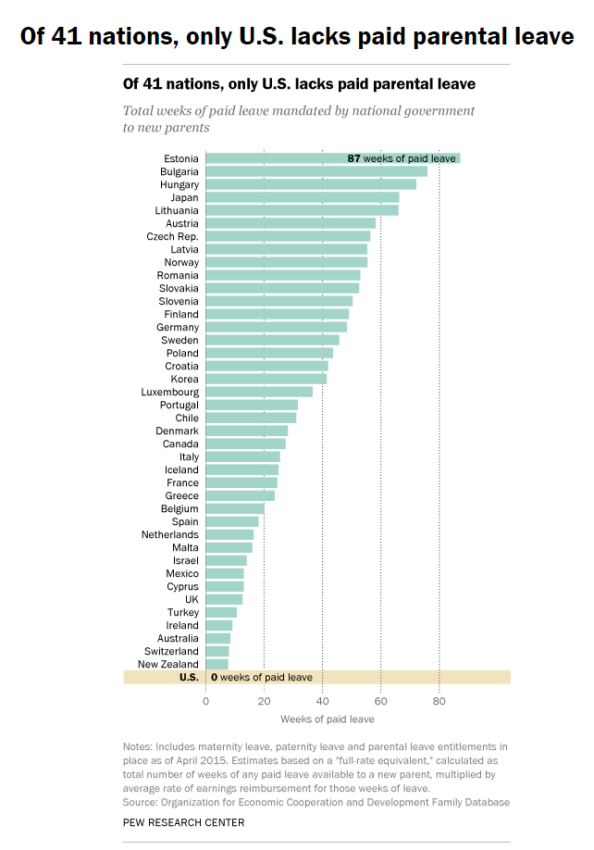
The thing about paid family leave policies in the U.S., is that the U.S. does not mandate paid family leave. California, New Jersey, Rhode Island and soon New York are the only states to have state-mandated paid leave plans in place. Among 41 industrialized nations in the Organization for Economic Cooperation and Development (OECD) and European Union, the U.S. is the only country not to require paid maternity leave. The U.S. provides up to 12 weeks of unpaid leave through the federal Family Medical Leave Act ...
Congrats to San Francisco's new ordinance passed by the Board of Supervisors ensuring all kids menus will not longer include sugar-sweetened beverages. This is a win for Latino kids, why?
Regular consumers of sugary beverages have a 26 percent higher risk of type 2 diabetes, and research shows that about 74% of Latino kids have had a sugary drink by age 2.
Parents are still allowed to purchase a sugary beverage with their child's meal in this new policy change, Supervisor Ken Yeager explained to Bay City News Service. However, Yeager went on to ask, "Why in the world you put something that is so poisonous on their plate?"
In fact, studies say that 71% percent of California’s children will experience tooth decay by third grade, resulting in 900,000 missed school days per ...
A labeling system, known as "Go, Slow, Whoa!" is being tested in Houston, Texas ( approx. 43.8% Latino) in 10 corner stores in low-income communities, to see how to promote healthier eating habits. The meaning behind the slogan "Go, Slow, Whoa!" is to encourage the healthiest items "Go" to be consumed the most often, "Slow" to be on food items that should be consumed in moderation and "Whoa" for packaged food items that should be avoided. The one-year project, being funding by the Texas Medical Foundation, is being researched in collaboration with the Texas A&M School of Public Health, the Baylor College of Medicine, the Texas Southern University College of Pharmacy and Health Sciences, and the Children and Neighbors Defeat Obesity Houston (CAN DO Houston). The plan ...
As the Latino population continues to grow in numbers – 1 in every 4 people by 2035 is expected to be Latino – their influence on the overall country is expected to mirror that growth. Despite their large numbers, many Latinos still face inequities in several key health indicators that prevent them from obtaining quality healthcare and financial stability. In an effort to promote awareness for important Latino issues The University of Texas at San Antonio (UTSA) Policy Studies Center will host the inaugural Latino Policy Symposium from May 4-5. The event will bring together Latino leaders, community advocates, and researchers from across the heavily Latino-populated state of Texas (38.42% Latino population). Texas is currently the state with the second-largest Latino population in ...
For many Latinos a lack of access to opportunities keep them from achieving health equity and obtaining financial security. However, a recent study from the financial website WalletHub paints a very positive picture of where things could be heading. Latinos are already the largest ethnic and racial minority in the country and their numbers are growing at consistent and exponential rates. They are already sizable contributors to the nation's economy and with their increasing numbers, they were already expected to add more to in the coming years. However, WalletHub anticipates these numbers to be “nothing short of monumental.” In order to reduce health disparities, it is critical to address inequities in programs, practices, and policies. Join our site, connect with others, ...
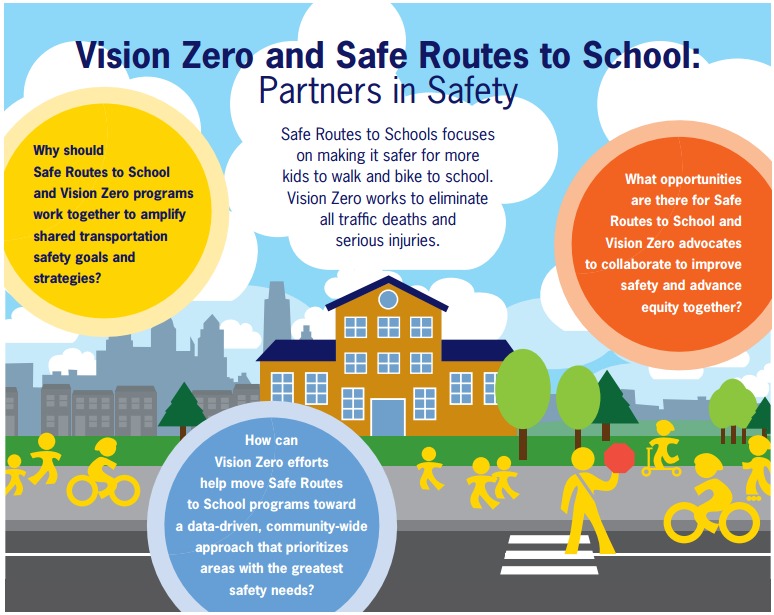
Although walking has numerous mental and physical benefits-and is fun-many people avoid walking if the streets aren't safe, which limits their mobility and access to basic necessities like schools, work, grocery stores, parks, healthcare, and other cultural and historical community resources. When it comes to safe streets, the U.S. lags far behind other countries. Given the inequity in access to safe streets and the disparities in fatalities and injuries among minorities, the issue of safe streets extends far beyond transportation planning and requires collaboration with public health and social justice researchers and practitioners. “We won’t save the number of lives we aim to without shifting our understanding of traffic violence from an individual behavior problem to a ...
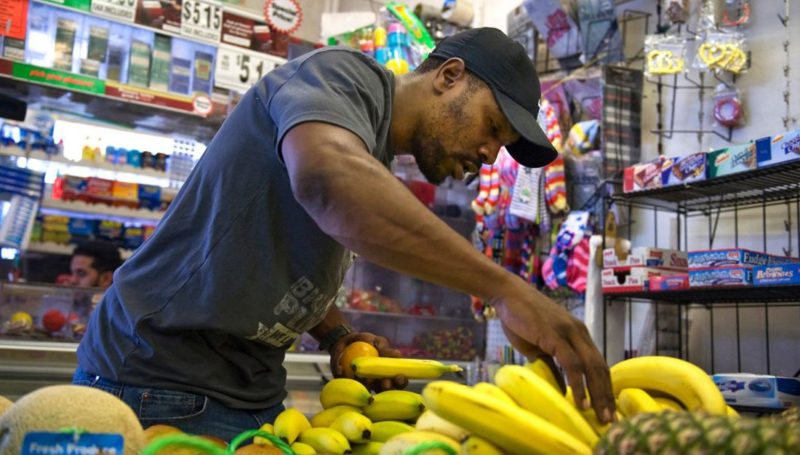
The new Double UP food Bucks Arizona (Double Up AZ) program is helping to ensure more people have fresh healthy fruits and vegetables in their diet. Having better access to locally grown organic foods is also helping to support local economic growth and health. Robert McClendon, a farmer in the region explained to local 12 News that this program opens up doors for families that couldn't afford the produce. Data were taken from St. Mary's Food Bank Alliance revealing that 18% of Arizonans don't have access to nutritious foods. Programs like this and other federally funded programs or Healthy Food Financing Initiatives (HFFI's) offer healthy food access to more families in need of healthier diets. Research shows that Latinos are likely to spend more on fruits and vegetables ...
Food and physical activity are both continuous and cumulative habits. Small changes every day can drastically improve your health and quality of life. However, the built world, whether intentional or not, influences the human experience. Many people live and work in places that impede or reduce physical activity and sell or promote unhealthy food. The National Collaborative on Childhood Obesity Research (NCCOR) brings together four of the nation’s leading research funders—the Centers for Disease Control and Prevention (CDC), the National Institutes of Health (NIH), the Robert Wood Johnson Foundation (RWJF), and the U.S. Department of Agriculture (USDA)—to accelerate progress in reducing childhood obesity in America. Their new white paper builds on a series of behavioral ...