How many steps do you get each day? Does your step number relate to you risk of diabetes, obesity, and heart disease? In the only six states where people take 8,500+ steps a day, people also have lower heart disease and diabetes risk than the U.S. average, according to Fitbit data. On the flip side, in the only six states where people take fewer than 7,800 steps a day, people also had higher heart disease and diabetes risk than the U.S. average. These correlations might not be shocking. “Obviously, the more exercise you do, the better it is for your heart health,” said Dr. Nieca Goldberg, of the Joan H. Tisch Center for Women’s Health at NYU Langone Medical Center, told The Washington Post. But it's not clear exactly how many steps are needed, and whether Latinos ...
Obtaining an education is one of the key social determinants of health. While Latinos have made great strides in this area in recent years – high school dropout rates are at an all-time low and two- and four-year college enrollments for Latinos is at an all-time high – Latinos still lag behind other racial and ethnic minorities in obtaining college degrees. The University of Michigan recently announced an initiative that could help many of the state’s Latino and low-income families achieve their goal of going to college. The school’s Board of Regents passed a program that will give free tuition for families who live in the state of Michigan (4.72% Latino population) and earn less than $65,000 per year. Dubbed the “Go Blue Guarantee,” the program will launch on January 1, ...
El FDA (la Administración de Medicamentos y Alimentos) ha retrasado los reglamentos del uso de información sobre las calorías en los menús de restaurantes y las cartillas de menú, según el Center for Science in the Public Interest (CSPI). Estas reglas son especialmente útiles para los consumidores que son los padres Latinos. Además, el etiquetado de calorías en los menús de restaurantes ayuda a tomar decisiones informadas y saludables sobre las comidas y los aperitivos. ¡El FDA sigue solicitando comentarios! Por un tiempo limitado, usted puede enviar los comentarios a continuación hasta el 3 de agosto de 2017 para oponerse del retraso de estos reglamentos. Aquí es como lo hará: 1. Puede copiar los comentarios a continuación en inglés y español, que fueron ...
UPDATE! The FDA has extended the deadline for public comments. Go here to comment by Aug. 2, 2017! The FDA recently delayed menu labeling in restaurants by a year, and may weaken how calories are labeled, according to the Center for Science in the Public Interest (CSPI). You have a limited time—until July 3, 2017—to oppose this year-long delay. Here's how to submit a public comment right now: 1. Copy the model comment below. This comment was adapted from CSPI by Salud America!, a national nonprofit at UT Health San Antonio that aims to promote a healthy weight for Latino children. For the health of Latino and all families, I strongly support immediate implementation of menu labeling in chain restaurants, supermarkets, convenience stores, movie theaters, and other food ...
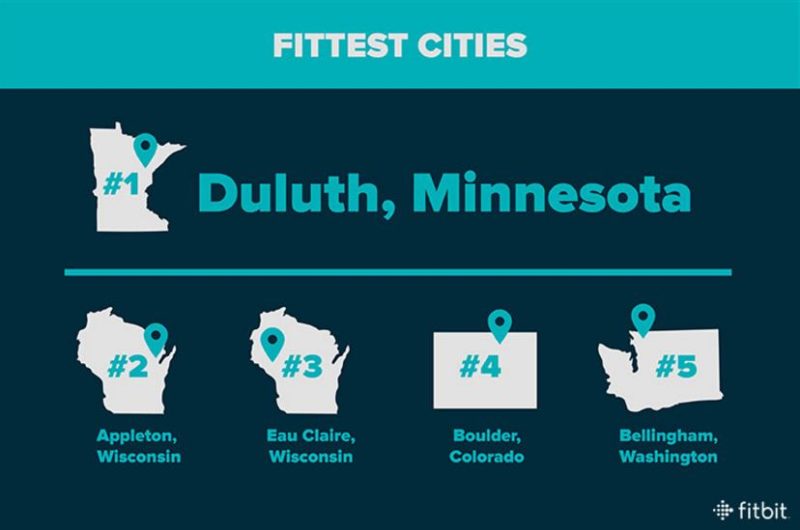
Where you live has an undeniable impact on your overall health. Lack of access to spaces for physical activity, healthy food choices, and health care options often plague those that live in low-income neighborhoods. This includes many Latino families. This confluence of conditions often lead to residents becoming overweight and/or obese and suffering from diabetes, respiratory illnesses, and heart disease. In recent years, cities – often finding governments working with residents – have begun exploring ways to make cities healthier. This has included improving access to repairing sidewalks, adopting shared use agreements, and creating physical activity opportunities in public spaces. All of these efforts have not gone unnoticed. The fitness tracking application, Fit Bit, has ...
Since 2010, Detroit Swims has taught more than 5800 kids how to swim and aims to teach all kids in the Metro Detroit. Swimming is excellent for mental and physical health, as well as academic achievement, but of f the 120,000 children in the city, it’s estimated 100,000 of them can’t swim, according to one source. Detroit Swims is a nonprofit started by lifeguards in 2010 at the Boll Family YMCA to reduce disparities in swim ability. The lifeguards contributed $2000 out of their paycheck to teach the first 35 kids how to swim. Latino kids across the country often lack access to pools and swimming lessons, thus face higher rates of drowning and obesity related chronic disease compared to white kids. Detroit Swims has expanded to over six locations, and works with local ...
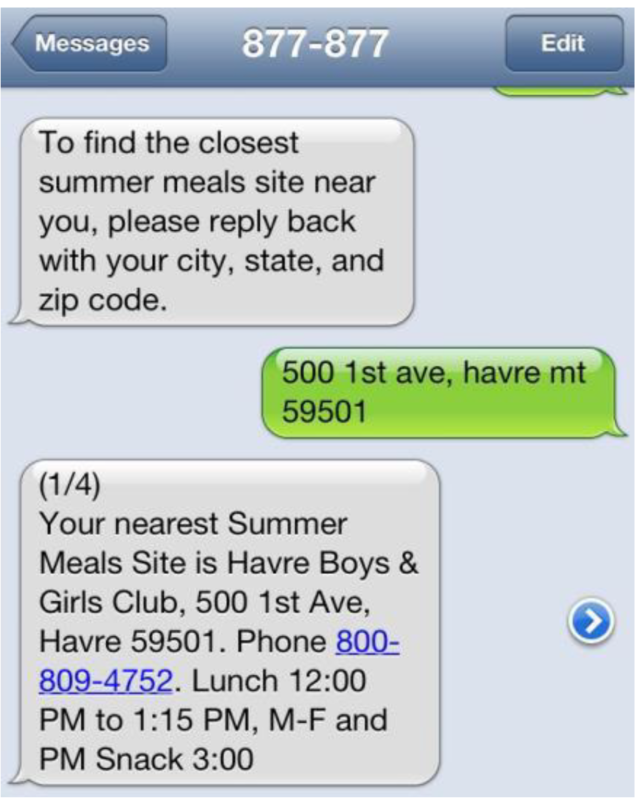
Free and reduced-price school meals help make sure that over 21 million kids get at least two meals a day, but what happens during the summer? That’s where the No Kid Hungry program can help. They created a resource where families can text ‘FOOD’ (for English responses) or ‘COMIDA’ (for Spanish responses) to 877-877 and receive locations providing summer meals nearest the zip code entered. Without programs like these, 6 out of 7 kids who are able to get free and reduced-price lunches during the school year might not have access to nutritious meals in the summer. Of those enrolled in nutrition programs at school, Latino children make up 32% of kids receiving free lunches and 29.7% of kids receiving reduced lunches. For more information, go to NoKidHungry.org or text ...
Health equity can be a hard-to-understand concept. A new report has a clear, simple definition: "Health equity means that everyone has a fair and just opportunity to be healthier." Achieving health equity means removing obstacles to health. Obstacles like "poverty, discrimination, and their consequences, including powerlessness and lack of access to good jobs with fair pay, quality education and housing, safe environments, and health care," according to the report. The report is by the Robert Wood Johnson Foundation (RWJF) and the University of California, San Francisco. Unfortunately, health equity sometimes doesn't exist. Latinos and other minority and low-income groups suffer health inequities and disparities. These are deeply rooted in socio-economic ...
Latinos are the youngest major racial or ethnic group in the United States. About 1 in 3 of the nation's Latinos are younger than 18, and nearly 6 in 10 Latinos are either millennial (ages 18-33) or younger, Pew research shows. But, as Latinos and all millennials become a larger portion of the U.S. workforce, the reality of the "millennial wage gap" is growing, Fortune reports. The average wage for millennials is the highest, $40,046 a year, in Washington, D.C. (10.16% Latino population). The lowest by far, $16,999, is in Mississippi (2.9% Latino). The national average is $40,356 for workers ages 35-65. "Millennials may act as if they’re entitled to ultrahigh salaries, but in most parts of the U.S. they still don’t earn them," Fortune reports.
How Much Do Latino ...