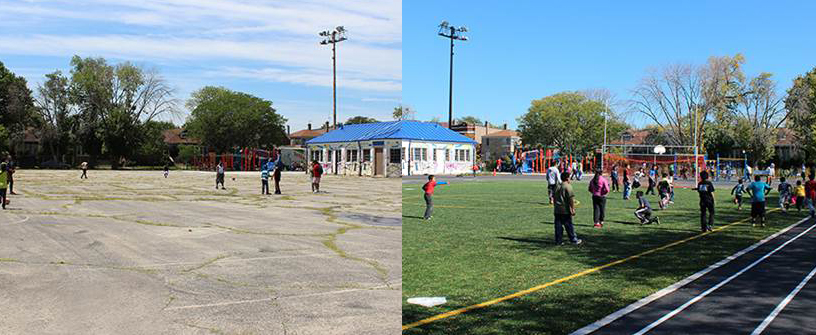
Finding safe places for kids to play hasn't been easy for Latino families in Chicago. For example, 30 years ago, the federal government sued the Chicago Parks District for favoring parks in white neighborhoods and neglecting parks in African-American and Latino ones. Schools in Chicago didn't have equitable funding to maintain their own playgrounds over the years, either. At the same time, the nation was shifting to a school day with less time for recess—creating a "recess drought." But school officials wanted to play a role in increasing access to safe green space for Latino kids and families.
Solving the 'Recess Drought' (and Preventing Floods)
Chicago Public Schools, the third largest school district in the nation, took a big first step in 2011. They passed a recess ...
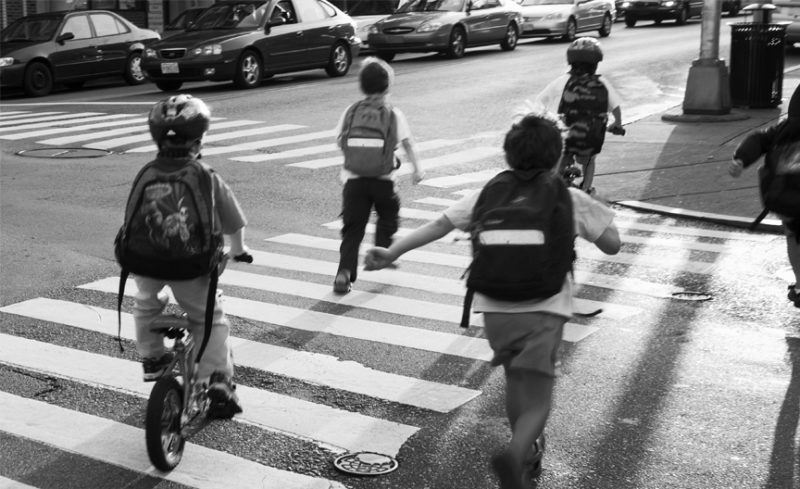
The U.S. is failing five of nine factors that reflect walking and walkable communities, according to a new report card. Children's walking behavior, pedestrian infrastructure, safety, institutional policies, and public transportation were graded an "F" by the new 2017 United State Report Card on Walking and Walkable Communities. The report is from the National Physical Activity Plan Alliance, which developed a system to evaluate U.S. walking and walkability.
Why walking is critical in Latino neighborhoods
Walking is a natural and inexpensive activity to improve health and prevent chronic disease. However, safe places to walk are often not accessible, particularly in Latino neighborhoods, according to our own research. Thus, many Latino children and adults don't walk and suffer ...
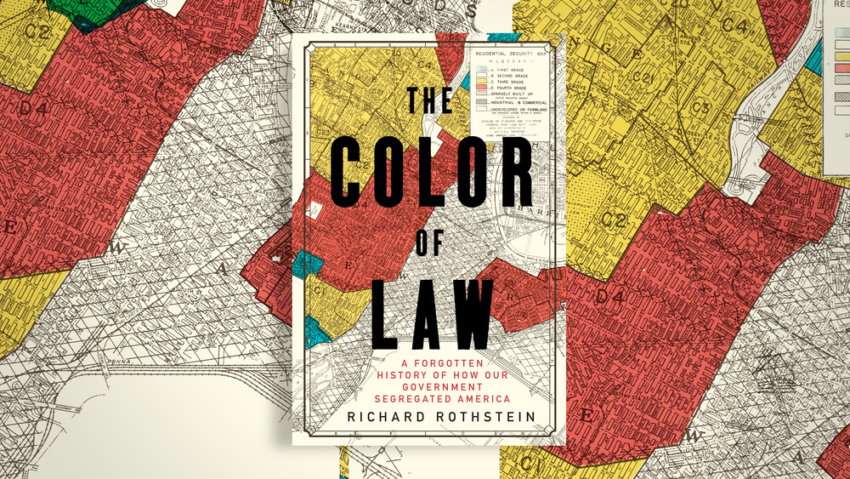
Systematic housing segregation in the 1900s is the root of many social and environmental justice issues. One big one is inequity in neighborhood walkability, which leads to disparities in mental and physical health. Without safe places to walk, Latino families are robbed of opportunities to be healthy and thrive. Use #SaludTues on Sept. 26, 2017, to Tweet about potential solutions to improve walkability for all. Fueled by Richard Rothstein’s book, The Color of Law: A Forgotten History of How Government Segregated America, and America Walks upcoming webinar series, Walking Towards Justice, we will be discussing the intersection of residential segregation and walkability. WHAT: #SaludTues Tweetchat: “Intersection of Walkability & Residential Segregation”
...
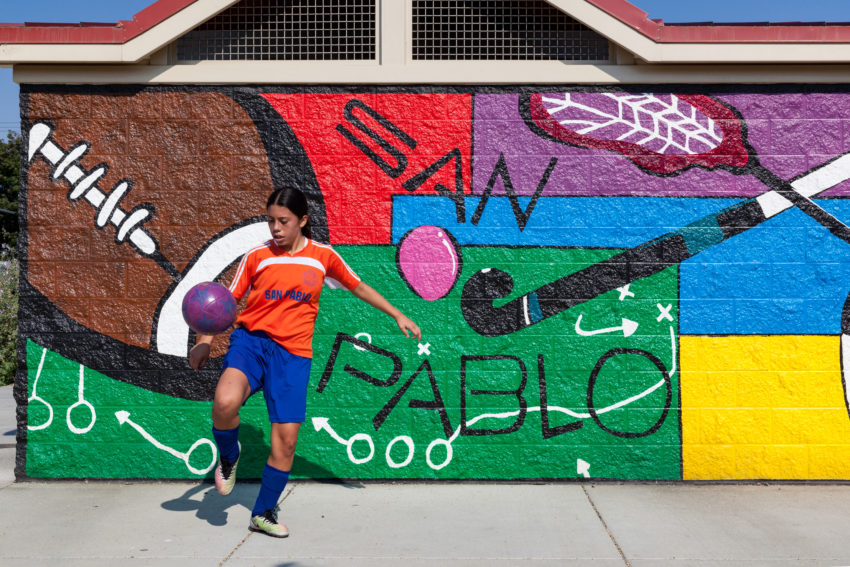
Two majority-Latino communities are among the eight winners of this year's Robert Wood Johnson Foundation (RWJF) Culture of Health Prize. Chelsea, MA (62% Latino) and San Pablo, CA (55% Latino) were chosen from 200 applicants along with Algoma, WI, Allen County, KS, Garrett County, MD, Richmond VA, Vicksburg, MS, the Seneca Nation of Indians in Western New York. These communities made strong efforts to ensure their residents have the opportunity to live healthier lives. Winning communities get a $25,000 prize and will have their inspiring stories shared by RWJF. “For the past five years, RWJF Culture of Health Prize communities have inspired hope across the country,” said Dr. Richard Besser, RWJF President and CEO in a news release. “We welcome these eight new prize ...
Happy #HispanicHeritageMonth! We're excited to celebrate Latinos, the largest racial/ethnic minority in the country, and highlight causes for health concerns and how to overcome them. For example nearly 40% of U.S. Latino kids are overweight or obese. These are higher rates than both white and black children, and places a big burden on the current and future state of Latino health. The good news is that healthy weight for healthy kids is an achievable goal. Use #SaludTues on Sept. 19, 2017, to tweet with us as we explore how to improve the health of Latino kids in schools and communities! WHAT: #SaludTues Tweetchat: Healthy Weight & Healthy Kids
TIME/DATE: 1-2 p.m. EST Tuesday, Sept. 19, 2017
WHERE: On Twitter with hashtag #SaludTues
HOST: @SaludAmerica
...
Housing segregation caused many social justice issues throughout the 1900s. One big one is neighborhood walkability. You are invited to join America Walks’ quarterly webinar series, Walking Toward Justice, to examine past and present walkability issues in low-income neighborhoods and communities of color, and search for solutions. The series will integrate literature into a discussion regarding the intersection of mobility, race, class, gender, and politics. Charles T. Brown of America Walks, who helped create the series, will moderate each webinar.
UPDATE (9/4): The FOURTH webinar on September 26, 2018
Register here for the fourth webinar of the series, "Connecting and Allying with the Disability Rights Movement," at 2 p.m. EST, September 26, 2018. The webinar will ...
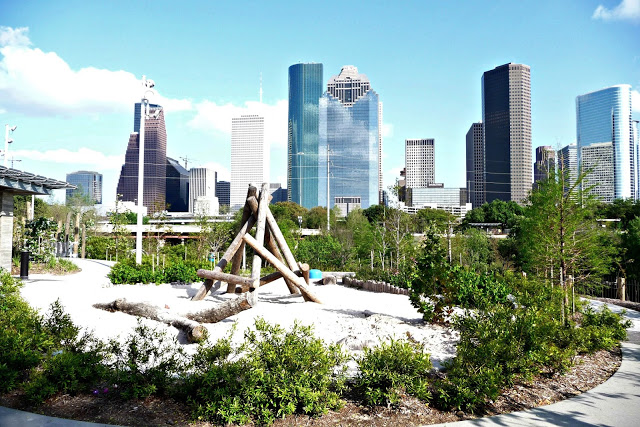
Texas State Parks are opening new natural play areas for children and people with disabilities to play and connect with nature. Latino kids in Texas (39.1% Latino), and across the country, lack safe outdoor places to play and be active, which is known as a nature deficit disorder. Families struggle to find green space that is both fun and appropriate for all age ranges. Particularly Latino families, which are often multigenerational. Childhood development leaders, architects, educators and urban planners worked together to design plans for natural playscapes in various outdoor spaces, like state parks, local parks, zoos, and botanical gardens to better engage kids and families with nature. Natural playscapes are designed to be built using natural materials and include boulders, ...
Schools in Fresno, CA (52.8% Latino) opened their green and blue spaces to the public. Green spaces are parks, playgrounds, sports fields and other outdoor play spaces. Blue spaces are swimming pools, lakes and rivers. Latino kids lack safe green and blue spaces, thus face higher rates of chronic disease, drowning, and drowning related injuries compared to white kids. In June 2016, the Fresno Parks, After School, Recreation, and Community Services Department (PARCS) started a new Weekend Recreation and Fitness Program (WRFP) to get help kids and families stay more active. With a $1.2 million dollar budget from the City of Fresno, Fresno Unified School District, and Central Unified School District, they opened school facilities, like playgrounds, sports fields and green space, ...
What is the one thing you want most for kids in your schools? Salud America! can customize an "Action Pack” just for you to help you build a case and get supporters for your big idea for a healthy change, whether it’s water bottle fountains, brain breaks, shared use, bullying policies, etc. Action Packs can include: Custom emails to school/district leaders
Custom webpage to build supporters
Custom data and graphics for social media
Custom fact sheets, FAQs and PPTs
See samples Request your customized Action Pack now! Michaeli Smith, the wellness coordinator at Comal ISD in Texas, had a big idea for more water bottle fountains in schools. Water bottle fountains, compared to traditional water fountains, help improve students' access to water in schools be ...