This is part of the Salud America! The State of Latino Early Childhood Development: A Research Review »
Introduction
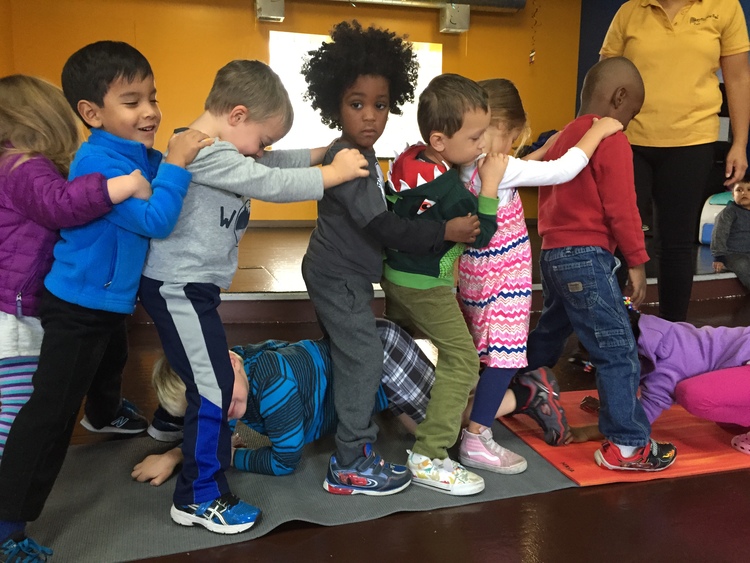
Childhood development is a dynamic, interactive process that is not predetermined by genetics, but is hindered by lack of proper care, services, and support. Proper childhood development is critical because 90 percent of brain development occurs by age 5. Latino childhood development is particularly important because Latinos make up 26 percent of US children younger than 5. The Latino population is one of the fastest-growing U.S. demographics, yet 12 million Latinos live below the poverty level.1–3 As such, many Latino children are at risk of not receiving the care and services they need during their formative years, which may have negative effects on their early ...
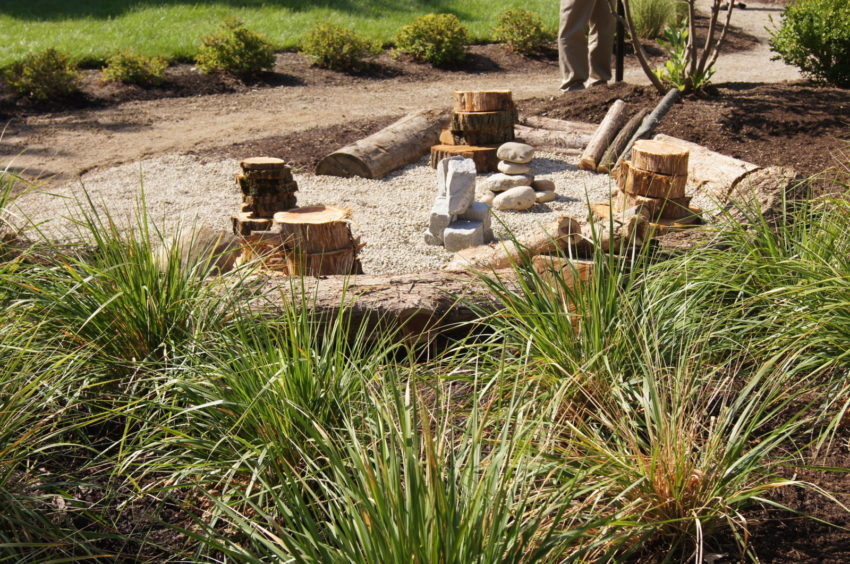
Texas (39.1% Latino population) is launching five Outdoor Learning Environment demonstration sites across the state, three of which are at early childcare centers. This is great news for many Latino students across the state. Currently, children today can spend 8-10 hours a day in childcare. However, like many Latino-majority schools, childcare facilities offer less time for kids to play and be active. As early as age four, Latino children face gaps in academic performance and disparities in obesity. Latino kids need safe places to play and be active to reduce obesity and boost academic achievement.
Naturalize Outdoor Playgrounds
Play – particularly play in nature – is critical for healthy child development. Nature supports creative problem solving, enhances cognitive ...
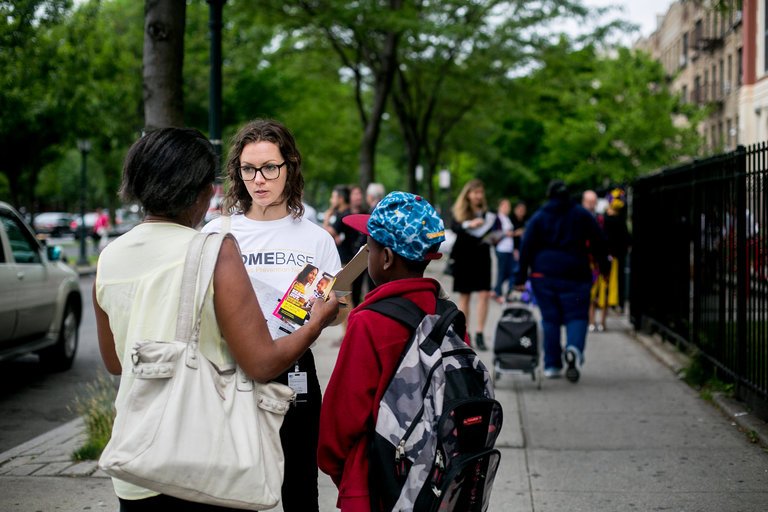
During the 2016-17 school year, the number of homeless students in the New York City public school system rose again for the second year in a row. The increase, according to The New York Times, put the overall student population at a shocking milestone: one in every 10 public school students was homeless during the year. These numbers translate into 111,500 students in New York City (28.92% Latino population) that were homeless the last academic year. This was a 6% increase over the 2015-2016 school year. Across New York state, 148,000 students overall were homeless which is 5% of the state’s public school population. “After rising steadily for about five years, the number of homeless students reported to the state shot up in the 2015-16 school year, reaching nearly 100,000 ...
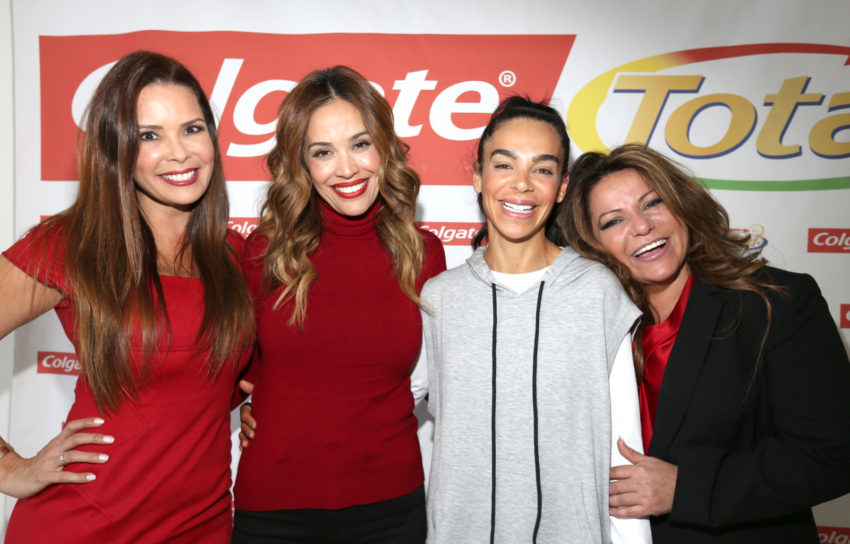
TV host Karla Martinez, nutritionist Chef Lala, yoga instructor Yudy Arias, and dentist Karent Sierra are teaming with Colgate Total on a new campaign to empower Latinas to invest in healthy lifestyles, beginning with proper oral health. For the campaign, called Simplemente Saludable (Simply Healthy), each woman will highlight ways to shake up health routines. Karla will speak on women's empowerment and self-help. Karent will open up about the best oral health routine and tips for a healthier smile. Yudy will share new at-home exercise routines. Chef Lala will provide nutritious ways to enjoy traditional Latin cuisine. For example, Chef Lala shared these six tips related nutrition: Apples are a healthy source of sweetness, but they could shake up the plaque that ...
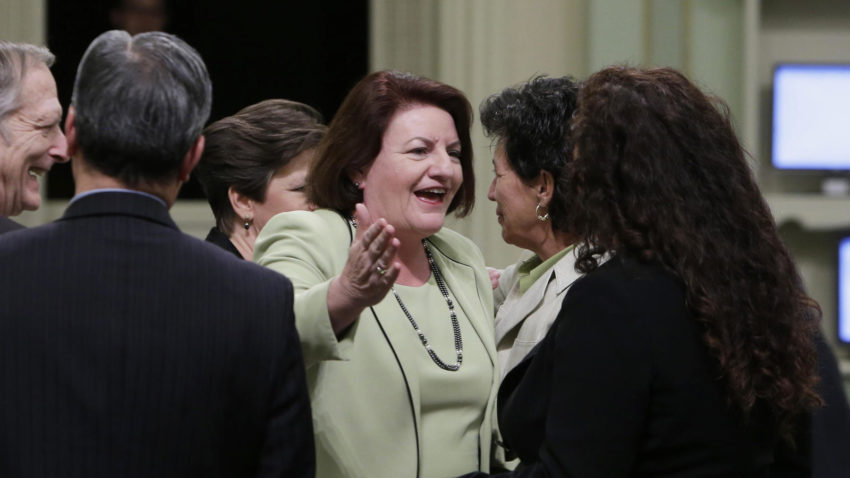
California state legislators recently approved three bills to boost the supply of local affordable housing. Senate Bills 2, 3, and 35 expect to raise billions to pay to build thousands of new homes for the state’s low-income residents. The bills also also aim to ease local regulations on home-building to help middle-class Californians who are now overwhelmed by costs. “The poverty rate in California, everyone talks about it,” said state Sen. Toni Atkins, author of Senate Bill 2 in an interview with The Los Angeles Times. “Look at everything we do. For child care, for education, for minimum wage, for health care. All those things are significant. And because of housing costs, it negates all those good things.”
Action for Affordable Housing
More than most states, ...
$11,000 is a lot of money. You can get a pretty decent car. You can buy a year's worth of groceries to feed a family of four. You could even get 11 of the new iPhone X. Or you can pay a year of childcare for one child. With the average cost of center-based daycare at $11,666 a year, many low-income Latino families struggle to afford childcare. Or it comes at the expense of healthy food or preventive medical care. That's why city leaders in San Francisco (15.3% Latino) are exploring how to provide affordable universal childcare to residents to ease parents' financial burdens. District 6 City Supervisor Jane Kim plans to introduce the measure on the November 2018 ballot. “If we truly believe that families are the backbone of our city, then we all have to do what we can to ...
Where you live has an impact on almost every aspect of your life. While the U.S. is a rich, diverse country that has attracted people to its cities for centuries, not all of these cities are equal. Some are simply more livable than others. For many Latinos, especially those from low-income families, they often have to live in areas that are high in poverty and crime and often lack access to safe physical activity spaces and healthy food options.
America's Most Livable Cities + Latinos
In an effort to determine the “best” of these cities, the financial web site 24/7 Wall St. has created an index of the 50 best cities for Americans to live in. What makes a city livable? Some of the factors considered by 24/7 Wall St. include crime rate, economy, and overall ...
Salud America! Guest Blogger
Ethan Goffman of Mobility Lab In rural areas, a car is a lifeline to groceries, community, and medical care—all the basics of life. Seniors who can no longer drive, Latinos who often live without easy access to grocery stores or farmer's markets, and other people without access to a car, must depend on neighbors and whatever public transit may be available. Enter Rabbit Transit, which is striving to connect otherwise isolated individuals. The agency serves York County (7.2% Latino) and nine other rural counties in Central Pennsylvania, providing some 2.5 million trips a year, explained Richard Farr, the agency’s executive director. “Part of our mission statement is really focusing on a high quality of life for our residents,” Farr said. ...
Research has long shown that Latino kids see a lot of unhealthy food and drink ads on TV. But now a new study shows that food companies heavily target Latino kids on the Internet, too, according to a new study from the University of Connecticut Rudd Center for Food Policy and Obesity. What's worse, the Rudd Center also has confirmed a troubling "health halo effect." That is, when food manufactures promote good nutrition and physical activity in ads for unhealthy products, children can be misled and confuse their understanding of good health, according to researchers, via a separate study. The new findings have big implications for Latino kids, who suffer higher rates of obesity and worse health outcomes than their peers.
Targeted Online Marketing To Latino Kids
Previous ...