On Oct. 15, 2017, California Gov. Jerry Brown signed a law that bans schools from marketing unhealthy foods that are not allowed to be sold or served in schools. This law, Assembly Bill 841, also forbids schools from partnering with companies for programs that reward students with foods or drinks that do not meet USDA Smart Snacks in School regulations and other standards. The idea is to help students make healthier food choices. "This law will help ensure that students receive consistent messages from their schools about the importance of proper nutrition as well as reinforce parents’ efforts to help their children choose healthy foods," according to a report by Changelab Solutions. This will lead to "healthier students who are better able to thrive academically."
Latino ...
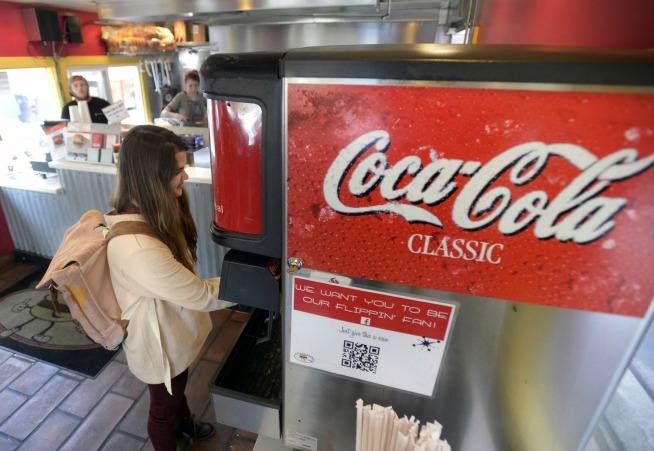
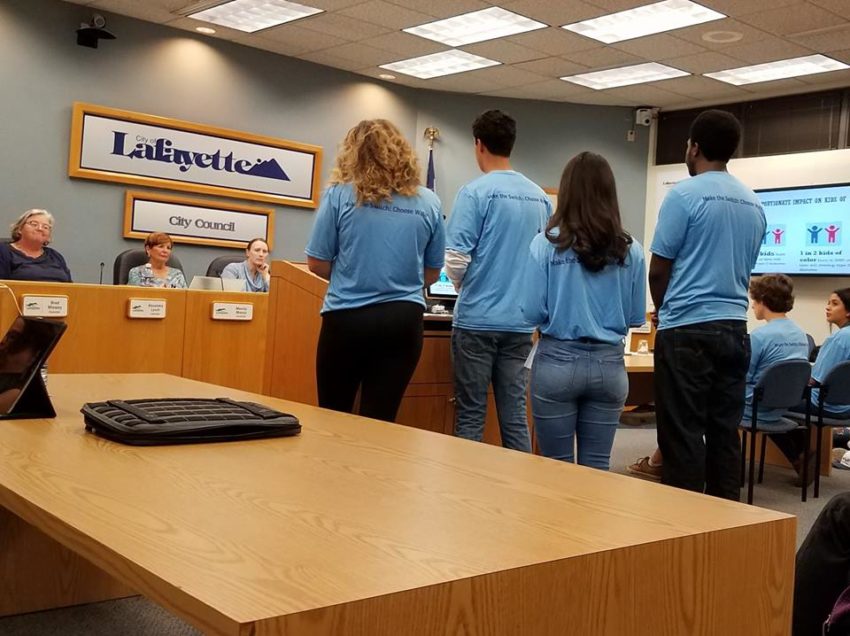
Kids were fed up with the effect of sugary drinks on people's health in the small mountain town of Lafayette, Colorado (16% Latino). They pushed city leaders for change, and scored a big victory in October 2017 when the Lafayette City Council voted 5-1 for an ordinance to require all local restaurants to offer only milk and water with kids’ meals. This means that kids will no longer see enticing pictures of sodas or juices as an option on kid's menus. The city is the fifth U.S. city, and the first outside of California, with such an ordinance. However, this isn't an outright ban on sugary drinks. Parents can ask for a sugary drink with their child’s meal, and restaurants can meet that request.
Youth Speak Up for Healthier Generations
The ordinance is a huge success ...
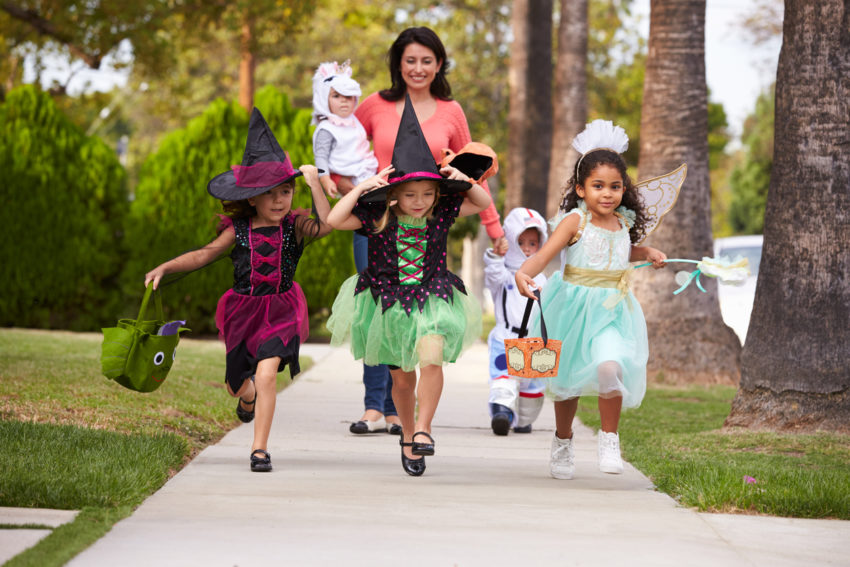
Did you know that 40% of Latino children are overweight or obese, compared to 32% of all U.S. children? With the Fall holidays bringing kids out of school and closer to candy and sweets, this is a critical time to make sure they have safe and healthy spaces to play, trick or treat, and achieve a healthy weight! Let’s use #SaludTues on Oct. 31, 2017, to share how what we can do for Latino and all families to improve health and stay safe during the Fall holiday season! WHAT: #SaludTuesTweetchat: Fall into Healthy & Safe Holidays
TIME/DATE: 1-2 p.m. EST Tuesday, Oct. 31, 2017
WHERE: On Twitter with hashtag #SaludTues
HOST: @SaludAmerica
CO-HOSTS: SafeRoutes (@SafeRoutesNow) and others We’ll open the floor to your stories, tips and experiences, as we ...
You can share the best—or worst—places to bike in San Antonio, thanks to a new bilingual crowdsourced map. The Open Ciclismo map, launched in October 2017 in English and Spanish by the local online news source the Rivard Report and Bike San Antonio, enables people to identify biking problems, issues, and solutions across San Antonio (63.7% Latino). You can report a public dangerous intersection, suggest a bicycling improvement, or share safe places to ride. Just indicate the location, add a description, and upload or share a video. "By crowdsourcing this data and riders’ experiences, we aim to create up-to-date awareness of hotspots for cycling safety, crime, and infrastructure improvements—holding city officials accountable for safe cycling and pedestrian life in San ...
This is part of our Building Support for Latino Families: A Research Review »
Latinos Kids Face a Big Gap in Early Cognitive Development
The socioeconomic gap in academic performance has been demonstrated repeatedly, with children from low-income households exhibiting deficits in school readiness and social development upon entering kindergarten. Several studies have shown that early educational gaps are maintained, and can even grow, for children from high-risk communities.12,15,23–26 Risk factors including poverty, low parental education, limited English proficiency, and single-parent homes, many of which are disproportionately present in Latino communities, put Latino children at a disadvantage for cognitive development relative to their non-Hispanic peers.27–30 In ...
This is part of our Building Support for Latino Families: A Research Review »
The Growth of Head Start
Given the evidence to support the benefit of organized early childhood education, development of high-quality ECE centers that also promote engagement of Latino parents holds great promise for the future of Latino children. Many programs from the 1960s and on provide evidence for the effectiveness of incorporating parent-targeted elements within early childcare programs, and these family-based approaches form the basis for the two-generation model discussed later in this review. The first explicit family-based program was Head Start, which in 1965 declared the goal of providing low-income preschool children a comprehensive program to meet their emotional, social, health, ...
Nutrition education—when it's accessible—can help low-income Latino and all families eat healthier. Four innovative projects used text messages, online programs, and other technologies to boost the reach and impact of nutrition education among participants in the Women, Infants, and Children (WIC) federal food assistance program. In each project, technology made nutrition education more accessible and useful. "Technology appears to have an impact on keeping our families in the program," said Dr. Shannon Whaley of UCLA, which led one of the studies. "This use of technology matters, and it is where WIC probably needs to go."
Why Is Nutrition Education a Big Deal?
Latinos tend to lack access to healthy food, according to a Salud America! Research Review. One big way ...
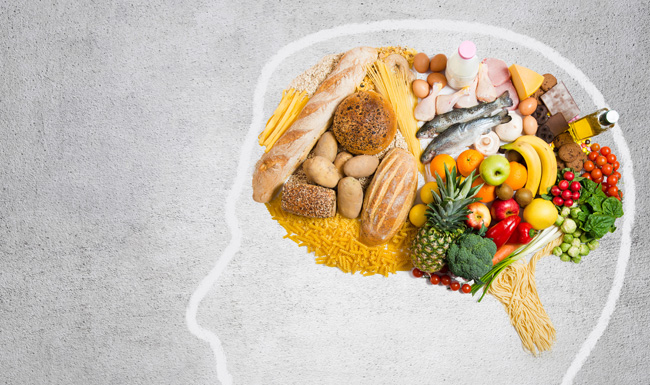
About 15% of U.S. Latinos had a diagnosable mental illness in the past year—that's enough people to fill New York City. How can this population achieve healthier minds? A healthy diet is, not surprisingly, a great first step. In fact, good nutrition protects against depression and anxiety; poor nutrition is a risk factor for those conditions, according to an emerging field of research. "By helping people shape their diets, we can improve their mental health and decrease their risk of psychiatric disorders," Dr. Drew Ramsey of Columbia University told WebMD.
The State of Mental Health
Only about 1 in 5 Americans consider themselves in optimal mental health. Depression afflicts more than a quarter adults. By 2020, depression will rank as the second-leading cause of ...
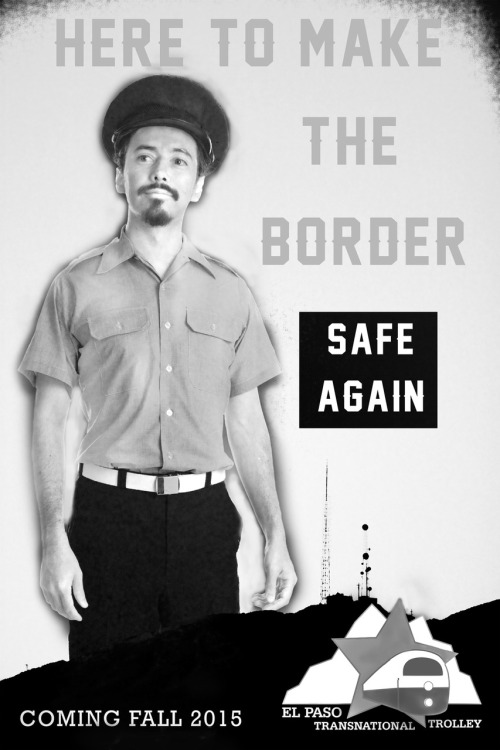
The streetcar is back along the Texas-Mexico border, thanks to a Latino man's brilliant "fake" ad campaign. Peter Svarzbein, an El Paso native, loved how a historic international streetcar system used to connect downtown El Paso, Texas (82.2% Latino) to downtown Cuidad Juárez, Mexico. But it closed in 1974. Today many in El Paso lack public transportation to reach places they need to go, which harms their health, educational, and employment opportunities, and the economy. So Svarzbein created a fictional, yet powerful ad campaign to simulate the return of El Paso's border-crossing streetcar for his graduate thesis project at New York's School for Visual Arts. Svarzbein's El Paso Transnational Trolley Project sparked enough curiosity and enthusiasm to create a real ...