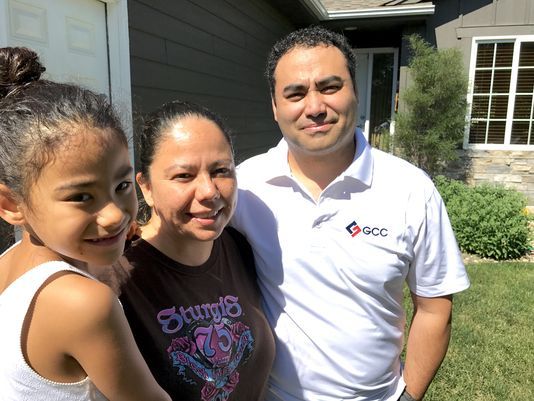
Where people live determines a great deal; it impacts education, income, access to resources, and overall health. Home ownership is often a great source of pride for many individuals, including Latinos. However, many Latinos often run into significant barriers that keep them from becoming homeowners. One of the main barriers is language. Often times, Latinos are unable to find Spanish-language or even bilingual information that could help them in the home buying process. In Sioux Falls, South Dakota (3.31% Latino population), Spanish-language home-buyer education classes have been started by the Sioux Empire Housing Partnership to encourage the growing Latino population to become home owners, the Sioux City Journal reports.
i
The group now offers Spanish-language versions of ...
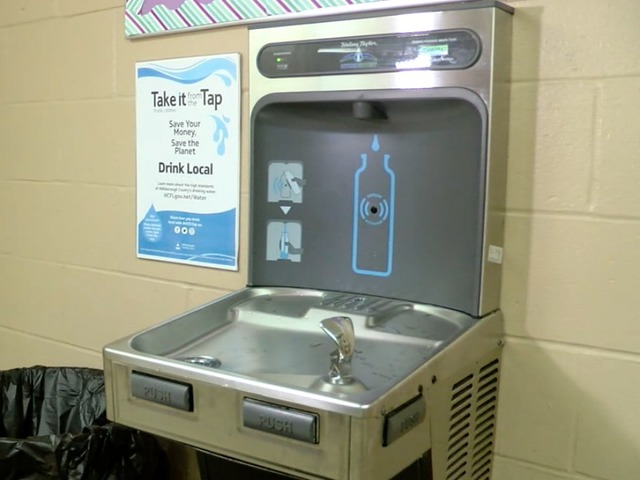
Drinking water increase health and hydration, but clean water is not always easy to get to. Recognizing this basic human need and the importance that water plays in overall health, Hillsborough County, Fla. (26% Latino population) has installed 60 water bottle filling stations—also called "hydration stations"—throughout the community. Attached to already existing water fountains, the stations have been installed at libraries, community centers, and public schools and parks, ABC Action News reports. In Hillsborough County, each station costs roughly $1,200 to install. “It's good that we have these stations,” said area resident Andres Gonzalez in an interview with ABC. “Easy and quick and efficient for us. Kind of a grab and go thing.” Latino kids ages 0-5 ...
Dehydration. Fatigue. Poor classroom performance. Water can help solve these issues for kids, but Latino kids don’t have access to clean drinking water as often as white kids, and they are more dehydrated. That’s why Salud America! created the #SaludWater health campaign! #SaludWater promotes awareness and grassroots actions to inspire local change to give Latino children more access to drinking water: Share social media messages about real stats and real people driving innovative solutions to boost water access, such as adding water bottle fountains in schools, pushing water using bilingual promotoras, and more.
Sign a letter to urge State PTAs to prioritize access to drinking water in schools, such as water bottle fountains.
Use our toolkit to add water bottle ...
More Latinos are heading to college than ever before. The bad news is that the high cost of higher education often stands in the way of Latinos completing their college degrees. In fact, many students have to choose between tuition or food and housing. For example, 31% of Latino students are hungry, according to a study. A staggering 14% of students at 70 community colleges in 24 states were homeless, according to a survey by the HOPE Lab at the University of Wisconsin. Also 32,000 college applicants were in 2015-2016 identified as “unaccompanied homeless youth” on federal student aid forms, according to The New York Times. Los Angeles (49% Latino population) is a microcosm of college hunger+homelessness. Homeless & Hungry Currently, one in five of 230,000 ...
For over 50 years, Don Francisco has been delighting Latino audiences on TV as the legendary host of Sabado Gigante and Don Francisco Presenta. Now, he is using his influence to help launch a new campaign to help dispel the myths surrounding type 2 diabetes and insulin treatment. The initiative, called Basado en Hechos (Based on Facts), will allow Don Francisco to travel the country and talk about his own experience living with type 2 diabetes. The program was created by a partnership between Boehringer Ingelheim and Eli Lilly and Company. “I was diagnosed with type 2 diabetes 16 years ago, and at that time I believed many things about diabetes that weren't correct,” said Don Francisco in a news release. “These misconceptions prevented me from making the best decisions ...
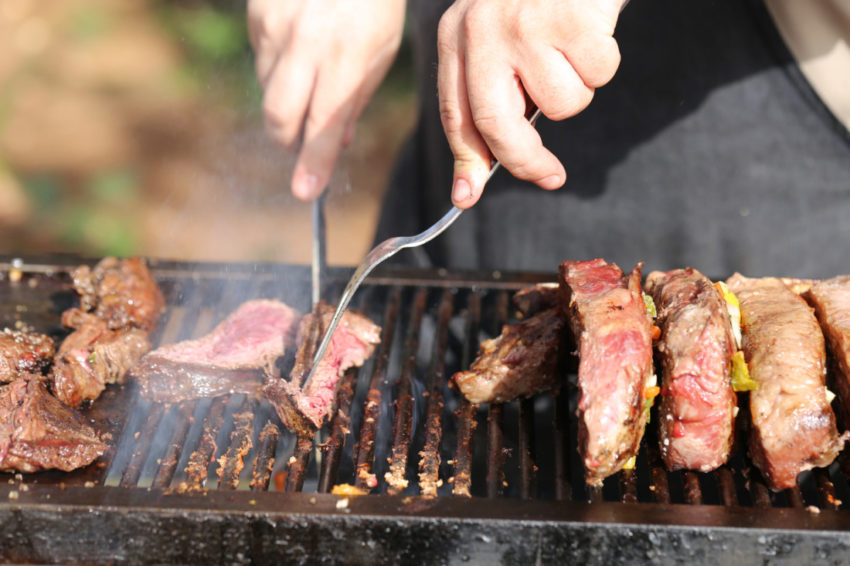
From burgers to carne asada, Latinos eat more beef or red meat than any other racial/ethnic group, according to the USDA. That isn't a good thing for health, research shows. Red meat and processed meat, like bacon and hot dogs, have been linked to certain types of cancer and cardiovascular disease—the two top causes of death for Latinos. USDA dietary guidelines even recently recommend cutting back on red meat in exchange for other proteins, dark green leafy vegetables, whole grains, and fruits. Here's a few ways meat-lovers can achieve these guidelines. Limiting red meat The American Heart Association recommends that people limit lean beef, skinless chicken and fish to less than six ounces per day. "In general, red meats (beef, pork and lamb) have more cholesterol ...
Latinos report the highest levels of stress among groups, due to money, employment, and family and health issues, according to the recent American Psychological Association (APA) annual Stress in America survey. When it comes to stress and mental health, Latinos often go untreated or undiagnosed. Persistent stress in young children can become toxic, according to new research from the National Center for Child Traumatic Stress. This toxic stress has been shown to cause “brain changes” that can interfere with learning and lead to more problems in adulthood. The research was unable to pinpoint exactly how many children have been harmed to date by toxic stress, but the data showed that many live in circumstances that experts say “put them at risk.” Other findings ...
You helped save menu labeling—for now! Supporters of Salud America!, our national Latino child health promotion program at UT Health San Antonio, submitted 10% of the 1,126 comments the FDA received about their one-year delay for restaurants to add menu labeling. FDA is listening to your comments! FDA wants more feedback on their delay of menu labeling—this week they extended the public comment deadline from July 3 to Aug. 2, 2017. Here’s how to submit a public comment right now: 1. Copy the model comment below. This comment was adapted from the Center for Science in the Public Interest by Salud America!. For the health of Latino and all families, I strongly support immediate implementation of menu labeling in chain restaurants, supermarkets, convenience stores, ...
Many people don't officially start their day until they get a cup of coffee. That is especially true for Latinos. When it comes to coffee—hot, iced, black, or with cream and sugar—Latinos drink it more than any other racial/ethnic group, according to the National Coffee Association. A new study found that coffee does more than give you a morning boost. Coffee vs. Liver Cancer People who drank one cup of coffee every day had a 20% lower risk of developing hepatocellular carcinoma (HCC), the most common form of liver cancer, than those who drink no coffee, according to a study published in the journal BMJ Open. Study researchers say that increasing consumption of coffee may help prevent HCC, even in cases of pre-existing liver disease. Cancer is already the leading ...