Yolanda Konopken knows 1 in 10 people have diabetes in Arizona. Her program to help families manage diabetes has been at full capacity for years at the Society of St. Vincent de Paul in Phoenix (41.3% Latino population). Konopken wanted to do more to prevent unhealthy weight from causing diabetes in younger children. She had an idea to start a new, bilingual education program to provide support and counseling for families with children at risk of diabetes. She worked hard to develop a bilingual curriculum and launch a fun program that involves the whole family in a series of culturally relevant classes to build children’s self-esteem and positive lifestyle behaviors, such as cooking healthier foods and getting active.
The Crisis of Obesity in Arizona Arizona has the ...
A recent poll from the Associated Press-NORC Center for Public Affairs Research found that older Latinos are more likely than whites or African Americans to borrow money from a retirement account. Whether do to a pressing financial concern or a medical emergency, 34% of all Latinos surveyed (compared to 24% of whites and 25% of African Americans) have at least partially “tapped into” a retirement account. Nearly 1/3 of all the respondents reported withdrawing money to pay monthly bills such as rent and utilities. Many Latinos, especially those born outside of the United States, have little to no savings. In these cases, an emergency of any kind can be devastating financially. “Latinos are using retirement accounts for emergencies,” said Ernest Gonzales, sociology ...
"When it comes to predicting how long you will live, your ZIP Code is more important than your genetic code," George Takei narrates in A Tale of Two Zip Codes, an animated short film by the California Endowment's 10-year Building Healthy Communities initiative. Where you live determines your opportunities, thus your health and life expectancy. Consider not having healthy food options, clean air, safe sidewalks, nearby parks, quality schools, public transportation and preventive health care. The root causes of inequity in access to opportunities are due to racial and economic discrimination. Struggling so much to find healthy options can be an overwhelming source of chronic stress, which is a serious health risk in itself. If we are all going to be healthier, we need to look at ...
How can you use data to improve health in your area? The 500 Cities dataset tries to provide an answer. The data set, which contains estimates of adult chronic disease, unhealthy behaviors, and preventive care for census tracts in 500 of the largest American cities, launched in 2016 thanks to the Robert Wood Johnson Foundation, the Centers for Disease Control and Prevention (CDC), and the CDC Foundation. The Urban Institute released a research report in May 2017 on how to use the data to reach change-making partners. Access the data set here and register for a webinar on Tuesday, June 13, from 1:00 to 2:00 p.m. (EST) with Urban Institute to learn how to host a local event centered on the new 500 Cities neighborhood-level health data. Census tract-level data allows cities ...
The summer swim seasons begins this weekend for most of the country, but many kids have no to low swim ability. In fact, 40% of Caucasian children, 45% of Hispanic children, and nearly 64% of African-American children have no to low swimming ability, according to a new study conducted by the University of Memphis and University of Nevada-Las Vegas. Although there is a 5-10% improvement in overall swimming ability, 87% of kids with no or low swim ability plan to go swimming this summer at least once, putting them at risk for drowning. What can your community do to boost support for swimming lessons to prevent the horrific tragedy of drowning? Learn more about the complexities of swimming: Swimming may be the most promising physical activity to get Latino kid's active.
...
Hannah Lieder, foster mother and founder of Minneapolis Swims, has been working since 2010 to keep open the local Phillips Pool in a disadvantaged neighborhood in Minneapolis, Minn. Why? Lieder knows that children living in low-income, Latino, or minority neighborhoods have historically lacked convenient access to physical activity spaces, particularly swimming pools, compared to white or high-income neighborhoods. These social and environmental inequalities contribute to disparities in drowning rates, physical activity levels, health outcomes and academic achievement. Phillips Pool was in disrepair and under constant threat to be concreted over. Now, six years later, Lieder’s legacy lives on, through Denny Bennett, as crews will break ground on the Phillips Aquatics ...
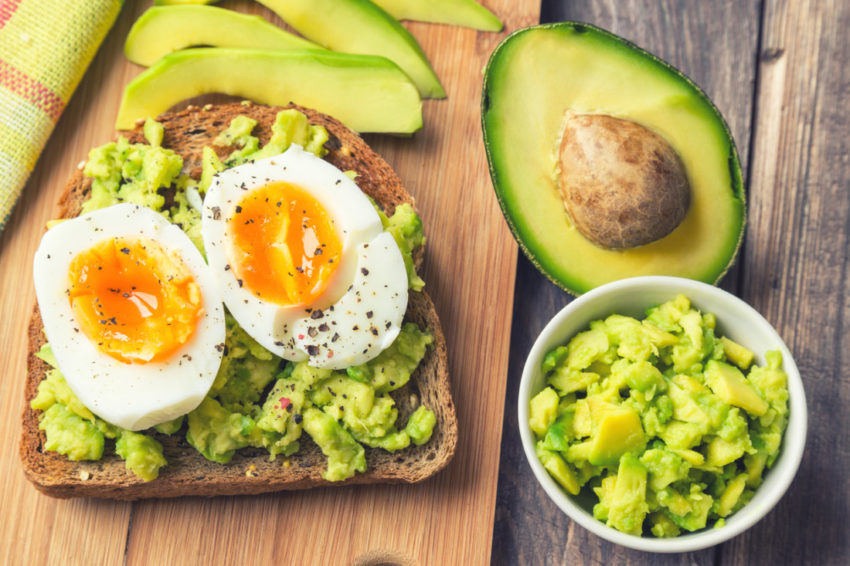
Eggs are sometimes called “nature’s miracle food.” The are found in nearly every culture’s diet around the world, and for good reason. Eggs are versatile to cook with. They are high in protein and nutrients, one of the few food sources of Vitamin D, and pretty tasty! Are Eggs Good for You? Over the years, debate has raged about the true health value of eggs, mainly due to being high in dietary cholesterol (which is found in the yolks). However, eggs are low in saturated fat, which is the bigger culprit when it comes to raising blood cholesterol levels. Because of these facts, eggs have been given the proverbial “thumbs up” from the 2015-2020 Dietary Guidelines for Americans by Office of Disease Prevention and Health Promotion. WebMd's Dr. Kathleen M. Zelman says ...
Need healthy recipes that can help your health? Cook For Your Life started in 2007 by Ann Ogden, helps cancer patients and others looking for healthy recipes to find advice on how to make healthy recipes that are designed specifically for different stages of cancer treatment. After being in treatment for the second time for triple negative breast cancer, Ogden began to find that many of her fellow chemotherapy buddies knew little about healthy food, and with her background of a family of chefs, she began teaching tips and cooking advice for healthy hands-on cooking classes. This led to her Cook For Your Life hands-on cooking programs that have served over 7,000 patients in the New York City Area, and have long-term collaboration with researchers from Columbia University and ...
A new study could tell why kids who are unhealthy weights respond to food differently than kids who are healthy weights. According to a study published in the Endocrine Society, the brain signals of children who are considered "obese" or fall under the unhealthy weight zone respond differently to pictures of foods than brain signals of kids who are at healthy weights, or are considered "lean". Trying to understand why kids with unhealthy weights still fell hungry after eating a meal, researchers from the study worked with Seattle Children's Research Institute and the University of Washington and used BASIC fMRI technology to understand brain signals that cause overeating. The trail included 54 obese kids and 22 lean kids ages 9 to 11, with the proportion of boy and girls the ...