Do you want to be part of a growing movement to make healthy changes in Latino schools and communities? Connect with us at Salud America! We are a national Latino-focused organization that creates culturally relevant research, stories, and tools to inspire people to drive healthy changes to policies and environments for Latino children and families. Healthy change can happen, and together we can make it happen! To see how to get started, use #SaludTues on Tuesday, September 5, 2017, to tweet about how policy and systems changes can promote a healthy weight, healthy mind, and healthy environment where Latino children and families live. WHAT: #SaludTues Tweetchat: Starting & Supporting Healthy Change in Our Communities
TIME/DATE: 1-2 p.m. ET (Noon-1 p.m. CT), ...
The World Health Organization (WHO) is drafting a global action plan to promote physical activity. WHO wants your comments on this plan through Sept. 22, 2017. How can you take advantage of this unique opportunity to speak up for equity in access to active spaces for physical activity for Latino families and communities of color around the world? Copy and paste the below model comment from our research team at Salud America!... I believe priority should be given to creating safe routes to walk and bike and developing shared use agreements and open use policies that formally share school recreational with the public after class. These initiatives can help Latino children and families living underserved communities access the physical, mental, social, and health benefits of ...
When the housing market collapsed in 2006, it led to one of the hardest-hitting, wide-reaching financial crises that the United States had felt in decades. The Great Recession, as it became known, had a disproportionate impact on minorities – especially Latinos – that still impacts their ability to achieve the goal of home ownership. It also keeps many Latinos from fully participating in the economy. A study from the Federal Reserve Bank of St. Louis found that the housing prices during the recession fell more in urban, low-income areas and that minorities had far larger shares of their personal wealth “tied up” in their homes than whites. “The housing market collapse affected millions of American families across the country, but it hit black and Latino families ...
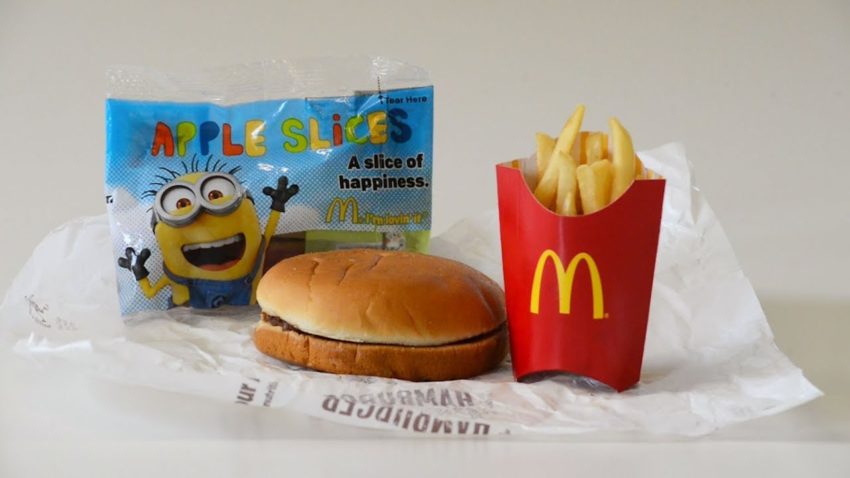
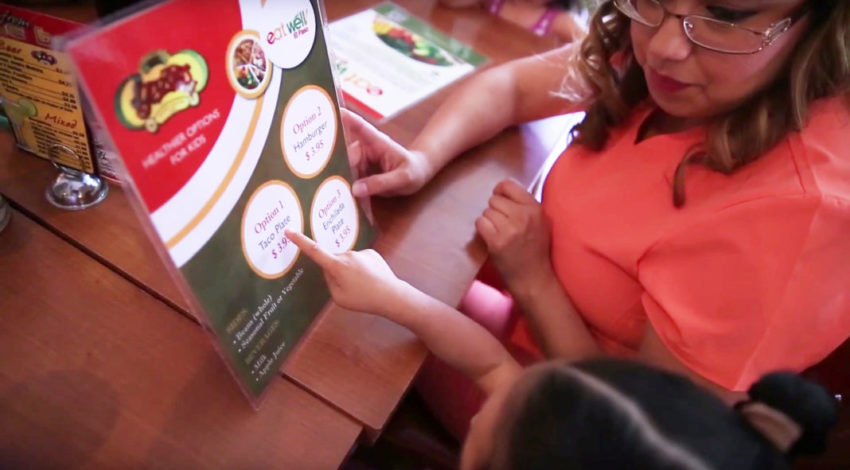
Latino kids tend to live in neighborhoods with more access to fast food restaurants and less access to healthier food options, according to Salud America! research. Regularly eating high-calorie, high-sugar, and high-sodium meals at these restaurants can have devastating long-term health impacts, such as obesity, heart disease, and more. In an effort to combat these worsening trends, some of the largest fast-food restaurant chains pledged to offer healthier meal options on their kids’ menus. Some pledged to remove sugary drinks, and other pledged to add healthier options. Were they able to keep their promises?
Fast food study The Rudd Center for Food Policy & Obesity, a nonprofit research and public policy organization based out of the University of Connecticut, ...
It cannot be emphasized enough: kids need to eat healthy, nutritious meals in order for them to succeed academically. There is an indisputable link between nutrition and the development of children’s brains. Despite this importance, many kids go hungry. Kids from low-income families, including a disproportionate number of Latinos, often go without meals at school because the owe money. School lunch debt is a huge issue in cities across the country. A 2016 survey by the School Nutrition Association of 1,000 school meal program operators, about 75% of districts had unpaid student meal debt at the end of the school year. The median amount of debt per district was $2,000, but it can run much higher in large districts. For example, the Oakland Unified School District in Oakland, ...
Thank you for speaking up on the importance of menu labeling! Salud America! supporters submitted 12% of the comments FDA received regarding their one-year delay of menu labeling (332 of 2,714 online comments). We also reached more than 6 million people online and on social media with menu labeling messages. These actions show that many people want to make it easy for Latino and all families to make healthier decisions about the foods they eat outside the home. Now, what will FDA do?
The fight up to now
Months ago, the FDA announced a one-year delay for food companies to adopt changes to menu labeling of foods in restaurants and other eateries. Industry stakeholders welcomed the extension amid concerns over their ability to meet the compliance deadline of July 2018, while ...
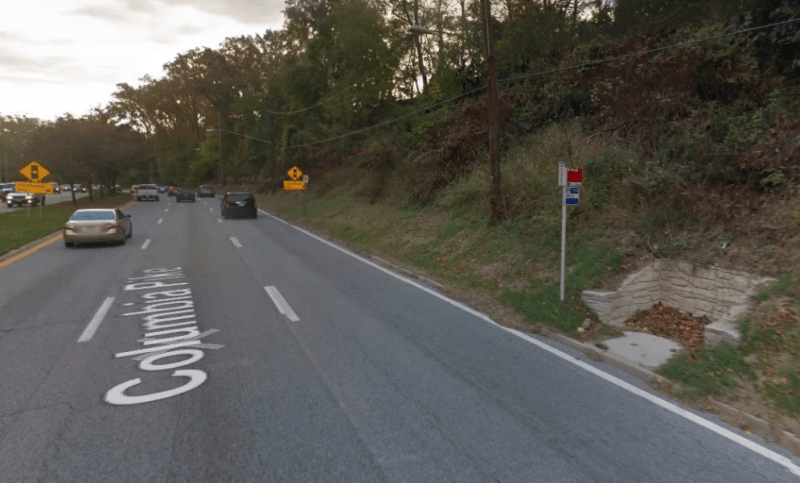
Two critical parts of every bus trip are the walk there and the walk back. Sadly, many streets are designed for cars, not families, making for some very sorry bus stops. Safe routes and safe bus stops are critical for people to access basic necessities, like schools, work, grocery stores, parks, healthcare, and other cultural and historical community resources. Streetsblog USA is calling attention to sorry bus stops during their 2017 Sorriest Bus Stop in America tournament. The goal is to motivate action from the streets and transit agencies who are responsible for designing and constructing the bus stops. You can enter the competition by submitting a photo of the sorriest bus stop with the exact location (preferably tagged in Google Maps) and a short description of what ...
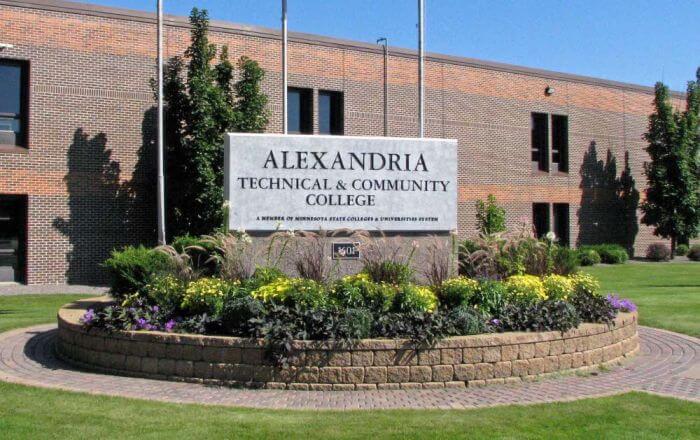
Latino children may have education disadvantages when starting kindergarten. Head Start, which is free for low-income families, may help to improve school readiness with curriculum to enhance children's language, pre-literacy, and social-emotional skills. In 2015, the Department of Health and Human Services Head Start passed new performance standards increasing the minimum program hours. This is great for kids and families, but a challenge for providers due to limited space. In Alexandrian, Minnesota, half-day classes could share the same facility, one in the morning and a second in the afternoon, but didn't have the space to offer full day programming for both classes. They needed more space. Jim Haugen, Head Start Supervisor approached Alexandria Technical and Community ...
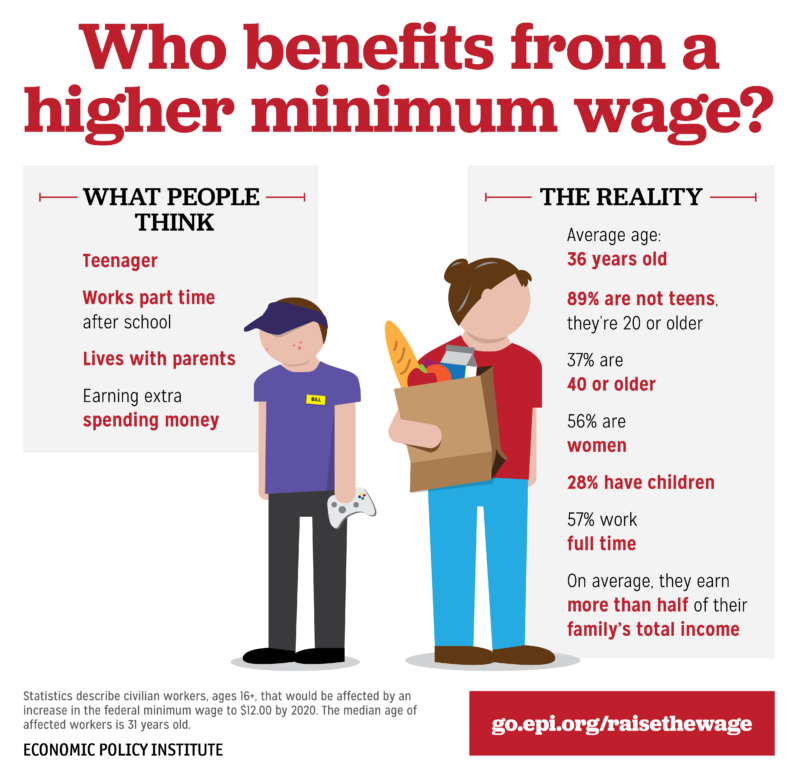
Few factors are as important to a person’s health as their income. Millions of Latinos and other minorities struggle to make ends meet financially because of low-wage jobs. Low wages lead to housing instability, food insecurity, and poor health. In recent years, cities across the country have pursued efforts to raise the minimum wage so that workers will have a better chance of getting ahead, accumulating wealth, and provide better living environments for their families. One such example is found in Kansas City, MO (14.54% Latino population), in which voters overwhelmingly approved raising the minimum wage from $7.70 to $10 an hour. This would precede annual increases up to $15 by 2022. “We are so pleased that Kansas City has demonstrated a progressive political perspective ...