The Supplemental Nutrition Assistance Program (SNAP) helps one in eight Americans put food on the table. During the COVID-19 pandemic in 2020, millions of Americans lost their jobs and experienced reduced incomes – causing Congress to make temporary emergency changes to SNAP. As a result, SNAP recipients experienced a boost in benefits, either receiving an additional $95 in benefits or an additional benefit valued up to the maximum benefit for their household size, whichever value was greater, according to the United States Department of Agriculture. While these emergency allotments have ended in many states, the Lone Star State has continued providing eligible households with an increased food budget. However, Texans may feel the pinch in the next few weeks, as Congress ...
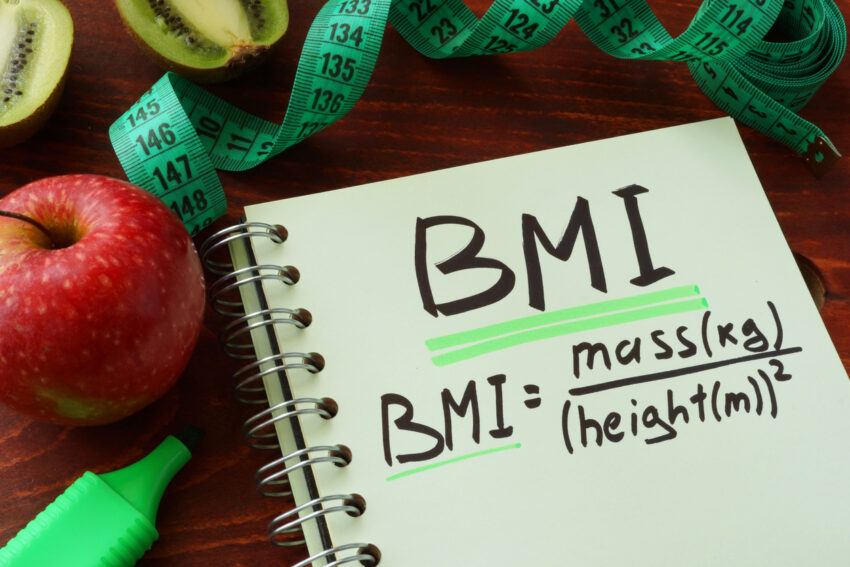
The CDC recently revised Body Mass Index (BMI) charts for children to help healthcare providers better track growth in children and identify “severe obesity.” Before the update, BMI charts for children did not go above 37. The revised charts extend to a BMI of 60 to account for the rise of severe obesity in children ages 2-20, according to the CDC. Now clinicians can more easily see whether a child’s BMI falls within the range of underweight, ideal weight, overweight, obese, or severely obese, based on a percentile measured against other children of the same age and gender, according to CNBC and healthline.com. A BMI higher than 95% of kids of the same age and other factors is defined as obese. Severe obesity is a BMI 120% higher than the 95th ...
Usted puede comentar ahora sobre las nuevas revisiones del paquete de alimentos del Programa Especial de Nutrición Complementaria para Mujeres, Bebés y Niños (WIC por sus siglas en inglés), propuestas por el Departamento de Agricultura de los Estados Unidos (USDA, por sus siglas en inglés) que tienen como objetivo mejorar la nutrición y promover y apoyar la lactancia materna. Los cambios propuestos, basados en las recomendaciones científicas de un informe de 2017 de las Academias Nacionales de Ciencias, Ingeniería y Medicina (National Academies of Science, Engineering, and Medicine), incluyen: Mejorar el poder de compra de frutas y verduras.
Aumentar la cantidad de los alimentos menos consumidos.
Más opciones para los patrones alimenticios culturales.
Capacidad ...
More Americans died in motor vehicle traffic crashes in 2021 than any other year since 2005, according to the National Highway Traffic Safety Administration (NHTSA). These are violent and tragic deaths. The roughly 2,700,000 injuries from non-fatal crashes are also violent and tragic with individuals often sustaining multiple traumatic injuries, injuries that significantly reduce their quality of life. These violent deaths and injuries are preventable. However, despite past efforts to reduce violent deaths and injuries on American roads, auto-centric guidance and policies and the growing size of automobiles undermine safety efforts today. It’s time to take meaningful action to prevention violent deaths and injuries on our roads. Let’s use #SaludTues on January 10, 2023, ...
Childhood obesity is not only common for U.S. children, it’s a global epidemic. How can communities address this issue? A new report from the Robert Wood Johnson Foundation (RWJF), Meeting the Moment: Learning From Leaders at the Forefront of Change, asked community leaders and researchers to share their experiences in hopes of better understanding and preventing childhood obesity. “It is you who get out there every day and innovate, renovate, and motivate the field to keep going, keep trying, keep striving,” said Jamie Bussel, senior program officer for the RWJF. Let’s explore four key areas community leaders can eliminate childhood obesity!
1. Improve Health Data
Accurate health data is important. For instance, we know Latino adults have higher obesity rates ...
The U.S. has a violent child death problem. Developing strategies to prevent violent child death from firearms and traffic crashes is a demanding task that requires consideration of numerous upstream, interrelated, and tangential issues. To help safety advocates develop strategies to prevent violent child death, we compiled five frameworks to help: Understand and explain how proposed strategies will prevent violent child death
Layer multiple strategies to cover shortcomings in strategies
Prioritize upstream primary prevention strategies to improve outcomes for entire populations
Consider the level of intrusiveness of strategies
Apply racial equity tools to ensure equitable adoption/implementation of strategies The five frameworks include: Logic Model/Theory ...
Isabella Jimenez is a Latina on a mission for health. At age 12, she had an idea for an app that serves as a digital cookbook where young people can learn to cook easy, healthy recipes and find tips in trivia games. She worked hard preparing recipes, creating and testing an app, and securing funding. At age 16, she launched the My Fun Food app. Now age 18, Isabella is an entrepreneur studying business at UT Austin and taking the My Fun Food app – which has a 5.0 rating in the Apple Store – to new levels. “The main purpose of the app is to provide a resource to the community,” Isabella said. “All the recipes are cost efficient, fast and quick, and easy to make.” Let’s explore what’s new since the last time Salud America! caught up with Isabella!
Isabella: ...
You can comment now on the USDA’s new proposed revisions to the Special Supplemental Nutrition Program for Women, Infants, and Children (WIC) food packages that aim to improve nutrition and promote and support breastfeeding. Proposed changes, based on scientific recommendations from a 2017 report from the National Academies of Sciences, Engineering, and Medicine, include: Enhanced buying power for fruits, vegetables.
Increased foods consumed less in adequacy, amount.
More options for cultural eating patterns.
Ability to get the quantity of formula to support any level of breastfeeding.
Requiring all breakfast cereals to meet the whole grain-rich standards that already apply to school nutrition programs and the Child and Adult Care Food Program. USDA is seeking ...
US food and beverage companies disproportionately target Black and Latino consumers with advertising for high-calorie, low-nutrient products, including candy, sugary drinks, and snacks, according to a new study by the Rudd Center for Food Policy & Health at the University of Connecticut. This targeted advertising has been a problem for years and is consistent with findings from other studies and reports, including the recent US Access to Nutrition Index 2022. The millions of dollars companies spend on targeted marketing contributes to inequities in diet-related diseases in communities of color, including heart disease, obesity, and diabetes. “Companies express how much they respect the culture and concerns of Black and Hispanic communities, but at the same time, they appear ...