Some chemicals cause serious harm and just don’t quit. These substances, known as perfluorinated and polyfluorinated alkyl substances (PFAS), can be found in water, cosmetics, food packaging, fire-fighting foam, furniture, and other things that many come into contact with on a regular basis. For years, researchers classified PFAS as permanent, undestroyable. Recent research shows, however, that might not be the case. A study, published in the Journal of Environmental Engineering shows that a technique using water heat and pressure can annihilate 99% of PFAS in water. How does this impact Latinos and all people? Well, one recent National Institute of Environmental Health Sciences study showed that PFAS exposure can increase risk of type 2 diabetes, especially in Latina ...
Two years ago, Seattle city leaders passed a 1.75-cent-per-ounce tax on sugary drinks, aiming to reduce consumption of these unhealthy products that contribute to obesity. The tax accomplished its goal – and then some – experts say. Sales of soda, juice, and other sugary drinks dropped by 22% since the soda tax, according to a new study led by Dr. Lisa Powell of the University of Illinois at Chicago. A second study from Powell also found that total sales of added-sugar foods and drinks fell almost 20%, driven largely by the decline in sugary drink purchases. "Our studies show that even after accounting for potential substitution behaviors, like cross-border shopping or selection of other items with added sugars, these taxes have a large, sustained impact on reducing volume ...
Next year in New Orleans, kids won’t be able to order a Coke off the kids menu in restaurants. On Jan. 6, the New Orleans City Council unanimously passed an ordinance that will require restaurants to serve water, milk, or fruit juice with kids meals, according to New Orleans Public Radio. While the ordinance faced some pushback from the soft drink beverage industry, supporters believe this new rule will make a difference in preventing childhood obesity.
What Does the Ordinance Say about Soft Drinks on Kids Menus?
The city health department pitched the ordinance to remove soft drinks and make healthier options as the default beverages on kids menus. New Orleans City Councilmember Cyndi Nguyen put it to a vote. “This is really about helping our young people to stay ...
Free school meals have been a staple for kids from low-income households for decades, especially Latino kids. When the COVID-19 pandemic hit, unions and support organizations successfully fought to bring universal free school meals to students learning from home, with federal support from the U.S. Department of Agriculture (USDA). Then after several extensions, USDA funded school meals through June 30, 2022. But what happens after that? Let’s explore the current state of free school meals, the impact they have on Latino kids, and what the future holds. UPDATE 2/4/22: The Biden administration announced the USDA will change its school nutrition standards for the 2022-2023 school year, reinstating health goals that were rolled back throughout the Trump administration on ...
In November 2021, Congress passed the $1.2 trillion bipartisan Infrastructure Investment and Jobs Act to rebuild roads, expand access to clean drinking water and high-speed internet, and tackle climate change — with priority investments in Latino and other often left-behind communities. Although this bill adds new money to fix some transportation problems, it pours hundreds of billions into the same old highway programs that perpetuate those problems, like auto-dependence and dangerous roads. “Today’s transportation system works extraordinarily well for its original intended purpose, to build a national highway system, but fails to meet the climate, economic recovery, fairness, and safety challenges of the present day,” according to the National Association of City ...
A healthy diet is critical for the wellness of Latinos and all people. Yet we know that fast-food options outnumber healthier options like supermarkets and farmers’ markets in many Latino neighborhoods. This lack of healthy food access results in overconsumption of unhealthy foods and higher obesity risk. Now the lack of variety among registered dieticians is making it harder for Latinos to get knowledge and resources for a healthy diet, according to The New York Times. In fact, Latinos make up only 12.7% of registered dieticians, according to Zippia. That is less than the 18.5% Latino share of the U.S. population. “It’s really a no-brainer that we need to consider the communities we serve,” said Doug Greenaway, president of the National WIC Association, according to ...
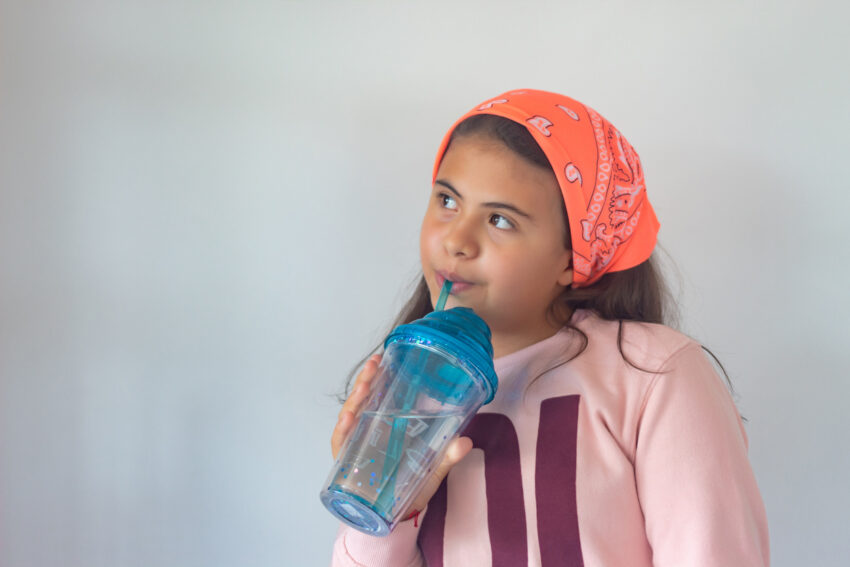
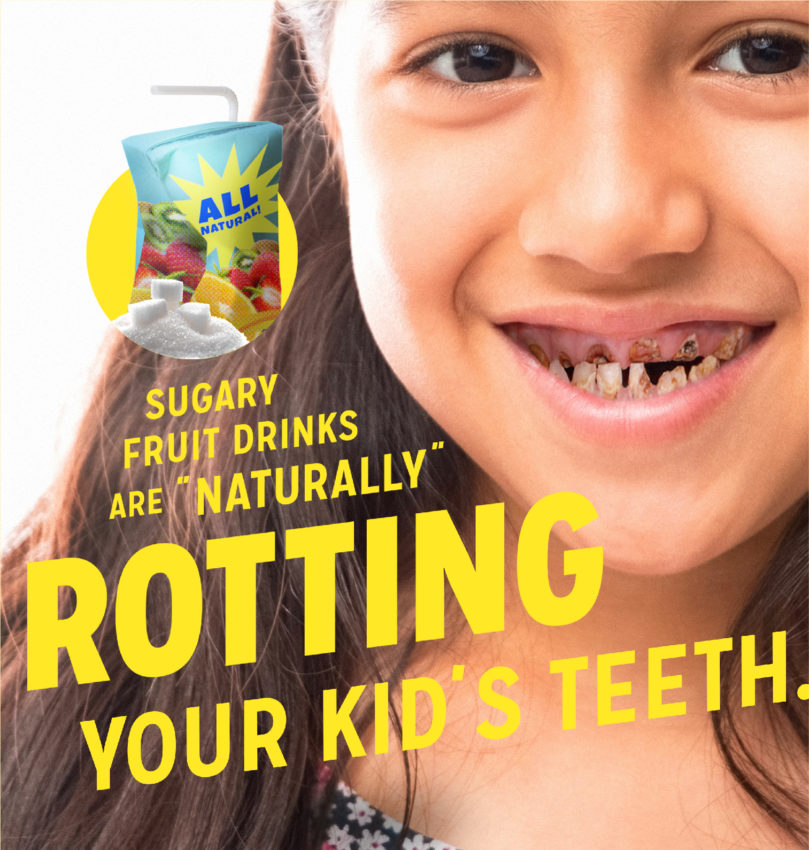
Young Latino kids drink too many sugary fruit drinks. Unfortunately, sugary fruit drinks that claim to be natural are often just fruit-flavored beverages that have added sugar and are just as unhealthy as soda. This is a contributing factor to the high rates of obesity, diabetes, high blood pressure, and cardiovascular issues that Latino kids often face. That’s why there’s a new toolkit called “The Truth About Fruit Drinks” from researchers at the University of Washington, University of Pennsylvania, and Interlex Communications with support from Healthy Eating Research and the Arcora Foundation. “This toolkit contains an evidence-based social media messaging campaign for countering beverage industry marketing and decreasing the purchase of fruit drinks by Latino ...
Background plays a significant role in determining home energy use, emissions, and cost burden, according to a study by the University of Michigan and McGill University. Majority-White neighborhoods had the highest per-capita emissions, researchers found. In African-American neighborhoods, emissions were 90% of those in White neighborhoods. Latino neighborhoods had the lowest per capita emissions, at only 60% of White neighborhoods. Yet overlooked communities have higher energy rates than what they produce, adding yet another difference that harms health outcomes among this population and other populations, according to study co-author Tony Reames of the University of Michigan. “People that are struggling financially and then have high energy burdens are forced ...
Many Latino families struggle to get enough food to feed their families. Even if they do get enough food, what they have access to is often unhealthy and nutritionally vacant. This contributes to a higher risk for adverse health conditions such as diabetes, heart disease, and other health conditions. We need nutrition security. This means having consistent access to and availability and affordability of foods and drinks that promote well-being, while preventing — and, if needed, treating — disease. In honor of American Heart Month in February and National Nutrition Month in March, let’s use #SaludTues on Tuesday, Feb. 1, 2022, to discuss emerging strategies to change environments, systems, and policies to encourage nutrition security and healthier hearts for Latinos and ...