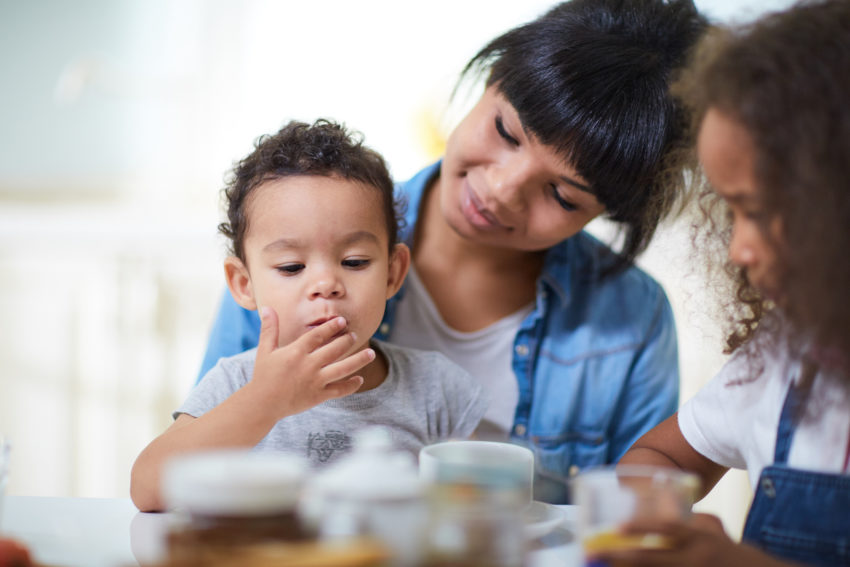
People who live in multifamily housing share air with their neighbors ─ including secondhand smoke. Secondhand smoke contains over 70 cancer-causing chemicals, and has killed over 2.5 million people. The dangers are especially serious in multifamily housing, where secondhand smoke can travel through doorways, halls, windows, ventilation systems, electrical outlets, and gaps around fixtures. Download the Salud America! Action Pack “Help Your City Adopt Smoke-Free Multifamily Housing!” The action pack will help you engage local leaders in exploring a smoke-free multifamily housing policy for common areas and individual units. "Experts say a smoke-free multifamily housing policy can protect the health of tenants and staff of apartments from secondhand smoke, as well as ...
More than 25,000 public comments were submitted to the Federal Highway Administration (FHWA) on proposed changes to the Manual on Uniform Traffic Control Devices (MUTCD). Our team at Salud America! developed three model comments asking FHWA to adopt a public health and Safe System Approach to reframe and rewrite the 700-page MUTCD, one of transportation engineering’s “bibles” that guides road creation. More than 2,100 people visited our model comments over 30 days and nearly 450 people submitted our model comments. “This enormous volume of comments (a more than ten-fold increase over the last time the MUTCD was updated in 2009) demonstrates the degree to which Americans want change,” according to a post from the National Association of City Transportation Officials ...
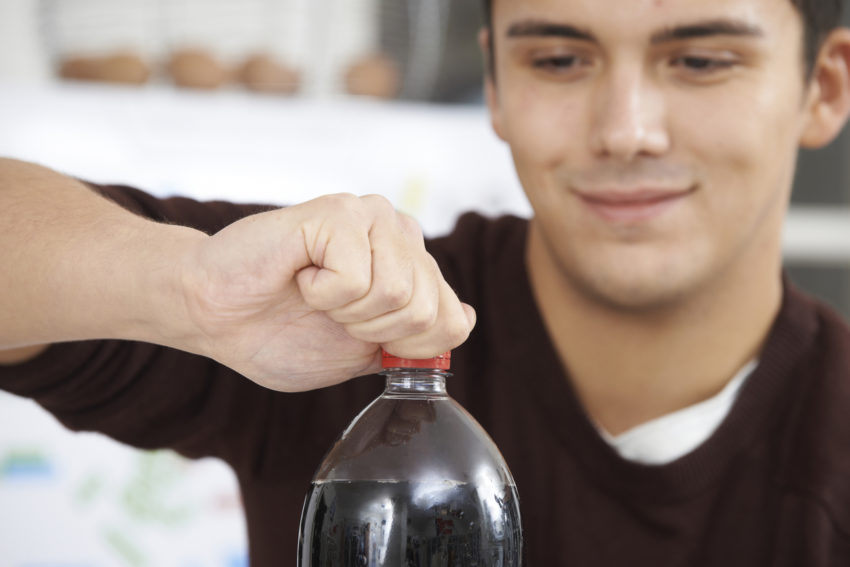
Sugary drinks contribute to obesity, diabetes, and other health issues. This is why many U.S. cities are trying to reduce the consumption of sodas, juices, sports drinks, and other high-sugar beverages by raising their price through sugary drink taxes. They then use the tax revenue to pay for local health programs. Washington, D.C. (11.3% Latino), which already has a type of sugary drink tax, could transition to an even stronger sugary drink tax with its Nutrition Equity Act. “Our lowest-income neighborhoods have the most limited access to healthy drinks and full-service grocery options,” said Dr. Federico Asch, a cardiologist and president of the American Heart Association Greater Washington Region Board of Directors. “We have a huge problem where, for example, many kids ...
After spending most of the last year indoors, Latinos and all Americans are ready to experience the world around us, again — including spending much-needed time outdoors. Not only is the prospect of walking on trails, hiking, camping, and other recreational activities exciting, it will lead to better health outcomes. People’s access to places such as parks, trails, as well as other green spaces is correlated to increased levels of physical activity and other positive health effects, according to new research from Stanford University. “Nature experience boosts memory, attention and creativity as well as happiness, social engagement and a sense of meaning in life,” said Gretchen Daily, senior author on the paper and faculty director of the Stanford Natural Capital Project. ...
Growing up in a working-class, union family, Dominic Aliano saw firsthand how local governance could help people in his hometown. Aliano now serves as the Vice Mayor of that city, Concord, Calif (29.9% Latino). He has led numerous initiatives to improve life in Concord ─ including the city’s smoke-free multifamily housing ordinance, which prohibits smoking inside units of all apartments. Smoke-free multifamily housing helps protect families who face toxic secondhand smoke exposure and other systemic inequities where they live, according to Aliano. “This legislation and ones like it are really important for people, especially those in the communities that I represent, who are mostly renters in multi-family housing complexes,” he said. “Sometimes landlords take ...
Climate change is wreaking havoc on communities across the US. The health impacts are already felt among Latinos and other people of color. That’s why a group of researchers started an exciting project: Science Moms. This "nonpartisan group of climate scientists and mothers," including several Latinas, are working to connect with other women in hopes of creating a grassroots movement to address climate change for future generations. "We founded Science Moms to help mothers who are concerned about their children's planet but aren't confident in their knowledge about climate change or how they can help," Science Moms state on their website. "Together, we aim to demystify climate science and motivate urgent action to protect our children's futures."
Women Step Up for Climate ...
Sadly, food insecurity ─ being without reliable access to a sufficient quantity of nutritious food ─ is common in the United States. This is especially true for Latinos and other people of color. U.S. Latino and Black households are more likely to suffer food insecurity (16.2% and 21.2%, respectively), than the national average (11.1%), according to USDA data, Salud America! reports. COVID-19 is making the situation worse, too. Let’s use #SaludTues on Tuesday, June 1, 2021, to discuss emerging strategies to reduce fod insecurity and improve healthy food access for Latinos and all people during and beyond the pandemic! WHAT: #SaludTues Tweetchat: Strategies to Address Food Insecurity
TIME/DATE: 1-2 p.m. ET (Noon-1 p.m. CT), Tuesday, June 1, 2021
WHERE: On Twitter ...
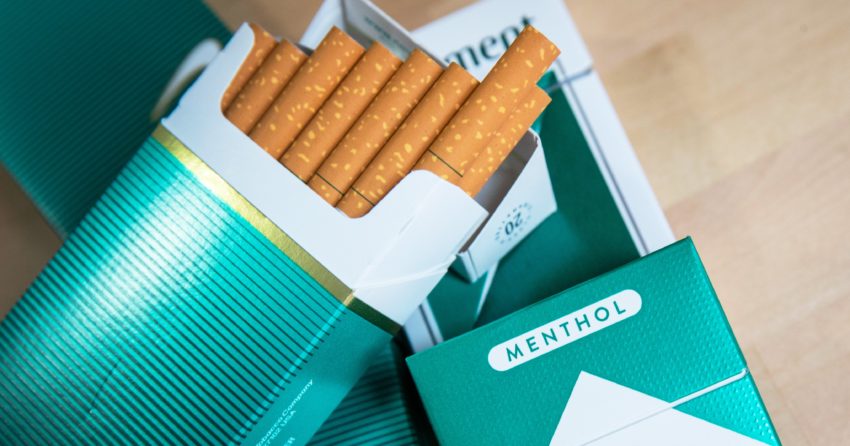
Tobacco remains the leading cause of preventable death in the United States. That is why, on April 29, 2021, the U.S. Food and Drug Administration (FDA) announced plans to ban menthol cigarettes and flavored cigars within the next year. The aim is to save lives and prevent future generations of smokers. This decision was made in response to a citizen petition filed in 2013. Public health and civil rights groups have long argued people of color have been disproportionately harmed by menthol cigarettes. The tobacco has industry targeted its ads at Black and Latino communities for decades. “Banning menthol—the last allowable flavor—in cigarettes and banning all flavors in cigars will help save lives, particularly among those disproportionately affected by these deadly ...
Sodas, juices, and other sugary drinks contribute to obesity and other health issues. This is why many communities are passing sugary drink taxes. This kind of governmental action has proven to reduce consumption of sugary drinks, and create revenue for local health programs. Can a sugary drink tax work in your community? Use the new Sugary Drink Tax Calculator from the University of Connecticut’s Rudd Center for Food Policy and Obesity to estimate the potential national or state revenue from a volume-based excise tax on sugary drinks. “This new information will hopefully help policymakers determine how much revenue a tax could raise in their communities if they were to implement one,” Dr. Tatiana Andreyeva, the Director of Economic Initiatives at the Rudd Center, said ...