Chronic liver disease can wreak havoc on the body, especially when there is a viral illness spreading worldwide. People suffering from Non-alcoholic Fatty Liver Disease (NAFLD) are roughly three times as likely to die from coronavirus than those who did not suffer from any liver disease, according to a recent study done at Sheba Medical Center. "It's possible that the coronavirus damages the liver similarly to the way in which it attacks the lungs," Professor Ziv Ben Ari, head of the Center for Liver Diseases at Sheba Medical Center, told The Jerusalem Post. "It is also possible that the damage to the liver is done by the medicine given to the patient to treat COVID-19 or an immunological reaction caused by the virus, which causes a Cytokine storm, which causes a liver ...
In Oakland and other California cities, education leaders have launched a new initiative to provide students with clean water through water bottle filling stations in schools. These filling stations aim to provide not only filtered drinking water to students, they also combat unnecessary plastic waste. In the era of Climate Change, these kinds of programs can often be the first step in making wide-sweeping changes in communities. Water bottle filling stations can make a big impact on student health and academics, according to water bottle filling station group, FloWater. “Well-hydrated students have a better chance of performing better in school due to increased focus, improved energy, and added health benefits for the body,” the group writes. “A more sanitary place to fill ...
To reduce the impact of a disease like diabetes, public health leaders usually apply a three-part preventive approach of prevention, early detection, and early intervention. But this preventive approach hasn’t been applied to toxic stress. Toxic stress is the body’s response to prolonged trauma─like abuse or discrimination─with no support. It can harm lifelong mental, physical, and behavioral health, especially for Latinos and others of color. Amid COVID-19, civil unrest, and an economic crisis, we need a public health prevention approach to address toxic stress now more than ever. A new roadmap can help. Dr. Nadine Burke Harris’ Roadmap for Resilience: The California Surgeon General’s Report on Adverse Childhood Experiences, Toxic Stress, and Health proposes a ...
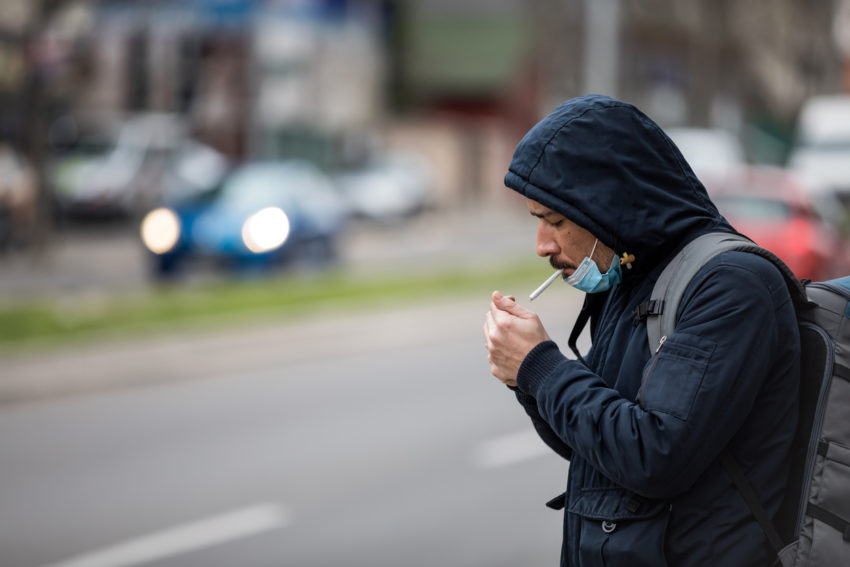
In the fight to end smoking, mass media efforts to change social norms have led to historic declines in smoking. But the tobacco industry isn't giving up. These companies aggressively market flashy, new electronic and flavored products in hopes of growing the market among youth and young adults. Still, these individuals are not so easily swayed. Young people overwhelmingly distrust the tobacco industry, especially Latinos and other youth of color, according to a recent report from The Truth Initiative. "The good news is that the public is as distrustful as ever of the tobacco and vaping industry, despite their extensive public relations and marketing strategies. For now," according to the Truth Initiative website.
Wins and Losses in Public Health Leaders' Efforts to Curb ...
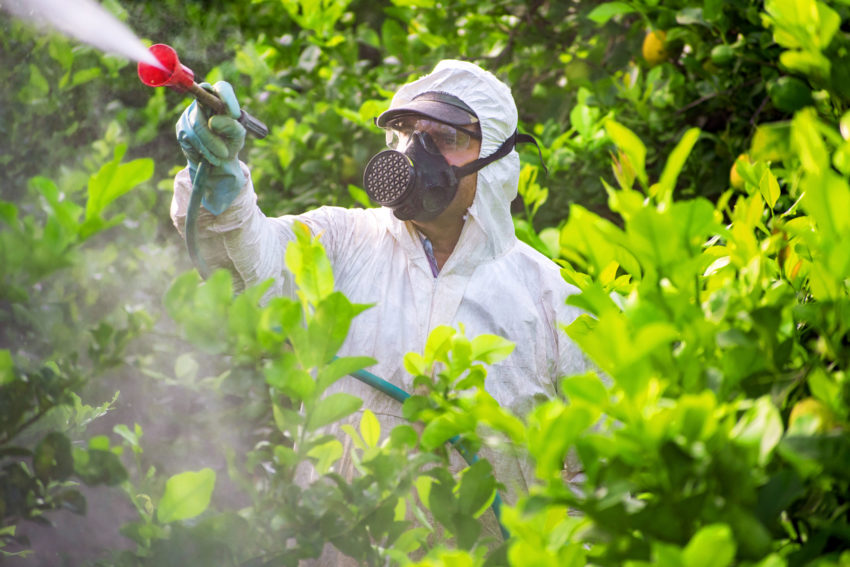
Despite the swearing-in of President Joe Biden, a proposed rule from former president Donald Trump is still in the works to further deregulate harmful chemicals in products. This kind of action could lead to health consequences among the workers who use pesticides with the chemical Chlorpyrifos, as well as the communities where those products are used. California already bans the chemical. The only way to ensure protection is to stop this rule before it is approved, according to George Kimbrell, the legal director for The Center for Food Safety. “True to form, the Trump Administration has placed corporate dollars over public health,” he said in a recent statement. “If allowed to stand, its proposal to continue registering this neurotoxic insecticide would cause irreparable ...
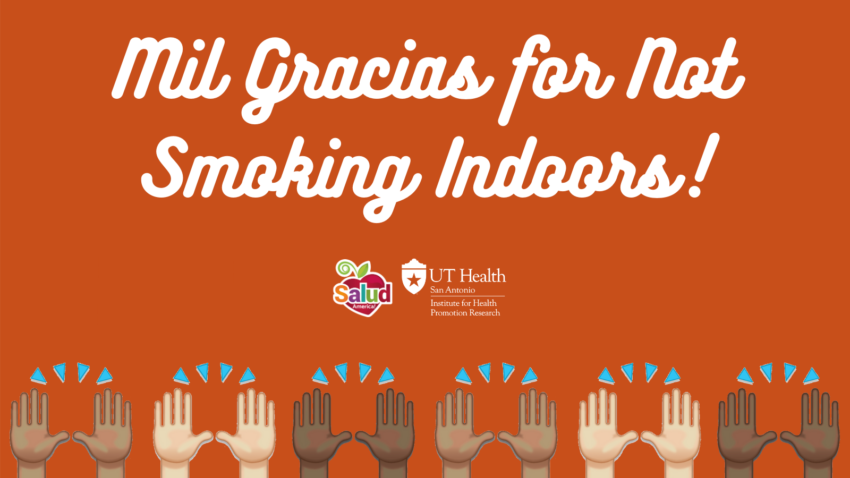
By choosing to not smoke indoors, a smoker deserves a thank-you for protecting their family, friends, and neighbors from secondhand smoke. That’s why the new “Mil Gracias (A Thousands Thanks) for Not Smoking Indoors!” campaign from UT Health San Antonio is inviting people share gratitude for smokers who respect others’ air during the COVID-19 respiratory pandemic: Email a “thank you” to smokers who protect others by not smoking indoors.
Sign a letter acknowledging secondhand smoke's danger to health.
Download an Action Pack to promote smoke-free multifamily housing in your city. The Mil Gracias campaign features English and Spanish flyers with key messages to help people reduce their risk for smoking-related diseases and COVID-19. “Smokers have the power ...
More and more Californians are working toward a tobaccoless future. In the city of Crescent City, Calif., residents will no longer be able to smoke in multi-unit housing. A new ordinance, recently passed by the City Council, aims to reduce the harmful toxins non-smokers face when facing secondhand smoke inside their apartments or condos. The city joins a list of over 60 other California cities with similar policies. Secondhand smoke is linked to cancer and heart disease. There is even data to suggest that some forms of exposure are more harmful than other, such as sidestream exposure — a mix of mainstream smoke, the smoke exhaled out by a smoker, and sidestream smoke from the burning tobacco product. “[Sidestream] smoke has higher concentrations of cancer-causing agents ...
7,492 people—including members of Salud America!—submitted public comments to address concerns over a USDA proposal to weaken school food nutrition standards. The proposal, brought forth on Nov. 25, 2020, would allow flavored, low-fat milk, cut whole grain-rich servings in half, and ease restrictions on sodium to enable nutrition directors more time to meet sodium reduction targets. The proposal was open for public comment from Nov. 25 to Dec. 28, 2020. A federal advisory committee will consider the public comments and release a finalized version of the rule in spring 2021, according to the School Nutrition Association. "For the health of Latino and all children, I urge the USDA to preserve strong nutrition standards for meals served in schools. Providing 'flexibility' by ...
The U.S. Department of Agriculture (USDA) and Department of Health and Human Services (HHS) have issued their new dietary guidelines for 2020-2025. But they’re missing some important expert guidance: Reducing sugar and alcohol intake. The Dietary Guidelines Advisory Committee, made up of 20 expert scientists, advised that the USDA and HHS reduce suggested sugar intake be lowered from 10% to 6% of daily calories and that daily alcohol intake for men be reduced from two to one drink a day. Thousands of people, including many Salud America! members, spoke up in agreement over the past few years, pushing for these and other strong nutritional guidelines. Despite expert advice that these sugar and alcohol restrictions would help fight obesity and other health disparities, the ...