Once again, the Trump administration is going after school nutrition guidelines. A USDA proposal brought forth on Nov. 25, 2020, would allow flavored, low-fat milk, cut whole grain-rich servings in half, and ease restrictions on sodium to enable nutrition directors more time to meet sodium reduction targets. This isn’t the first time the administration has tried to weaken school food nutrition. Just a few months ago, the U.S. Agriculture Department sought to ease restrictions on sodium and whole-grain requirements in school meals, but a federal district judge struck it down due to violations of regulatory law, according to The New York Times. The proposed rule is open for public comment until Dec. 28, 2020. Leave a comment to speak up for school food nutrition!
Comment ...
Every person is a unique individual. But if you look closely, you’ll see each person lives, learns, works, and plays within social and environmental conditions that influence their individual health and wealth. Some people face health barriers because of structural and systemic policies that curb their access to quality housing, transportation, medical care, food, jobs, schools, parks and other social determinants. Individuals have no choice when it comes to these structural health barriers. “Despite the tremendous, lifelong impact of our community conditions on our health, we focus most of our energy and resources on treating the outcomes of these problems but lack the essential urgency for attacking the root causes of poor health,” according to Brian C. Castrucci, Dr. ...
Lots of people will make a New Year's Resolution to live healthier in 2021. A healthier lifestyle has many benefits, from lower risk of health problems to improving mental health to spending less on expensive junk food or cigarettes. That is why our team at Salud America! works to promote news, stories, and action opportunities for health equity, where everyone has a fair, just opportunity to live their healthiest lives. Here are some unique New Year's resolutions.
1. Get More Physically Active...and Help Other People Do the Same!
The risk for obesity is a problem for many Latino children and adults. Physical activity can help. A New Year's resolution to increase your physical activity can improve health, quality of life, and reduce healthcare costs. Becoming more ...
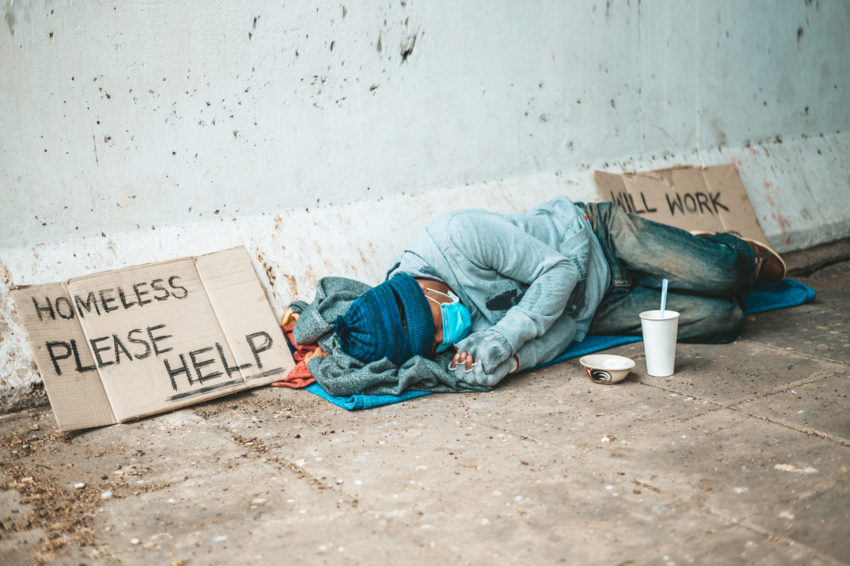
Latino and Black people will suffer significant financial problems that could lead to an increase in homelessness if U.S. leaders fail to pass a COVID-19 relief bill this week, experts say. The spring 2020 stimulus package is set to expire at the end of the week, prompting Congress to debate over a $900 Billion pandemic relief bill that will give stimulus checks, pause evictions and student loans, and provide further unemployment insurance. Leaders hope to find a solution by the end of the week. If they don’t, Latinos and Black people could suffer the most, including a rise in homelessness. “The pandemic has hit communities of color harder than white Americans, and the population of homeless Black Americans and Latinos will only increase if there is no emergency federal ...
Are you making a New Year's resolution for 2021? It might be spending more time outside. It might be quitting smoking. Or you could be trying to eat healthier. What we eat and drink affects our body’s ability to prevent, fight, and recover from infections, like COVID-19. Let’s use #SaludTues on Tuesday, Jan. 5, 2021, to tweet about how we can keep our New Year's goals of eating healthier, getting more physical activity inside and outside, and quitting smoking! WHAT: #SaludTues: How to Start 2021 with a Healthier Lifestyle!
TIME/DATE: 1-2 p.m. EST (Noon-1 p.m. CST), Tuesday, Jan. 5, 2021
WHERE: On Twitter with hashtag #SaludTues
HOST: @SaludAmerica
CO-HOSTS: @UsA2_Latinos, @VocesenSalud, @SAresearch, @Wellmedgives, @PublicHealthMap, @MotherToBaby, @Ashorg
...
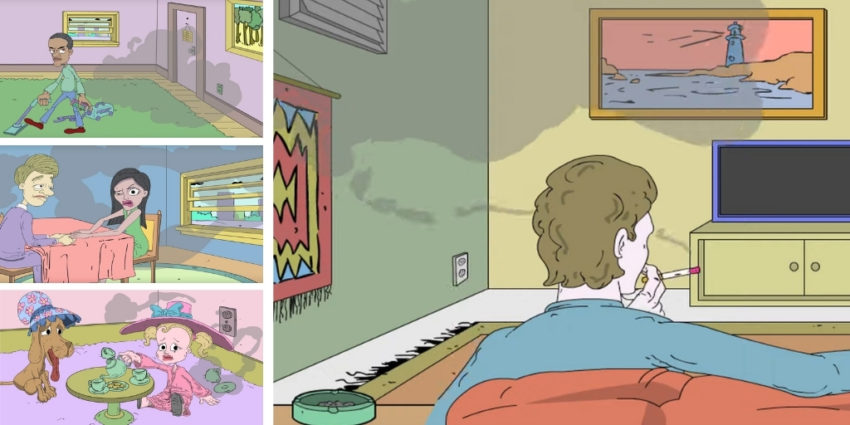
Does someone smoke in your apartment complex? You might be inhaling your neighbor's secondhand smoke. Inside multifamily dwellings, secondhand smoke can travel through doorways, halls, windows, ventilation systems, electrical outlets, and gaps around fixtures and pipes. Secondhand smoke, already a cancer-causing killer of millions, also might contribute to the spread of coronavirus. While there is no definitive link as of yet, there is enough scientific understanding of how particles travel to cause concern that smoke from cigarettes, cigars, and other tobacco products could be transferring COVID-19, said Dr. Loren Wold, a researcher at The Ohio State University. “We know that the virus can attach to particles and can travel three, four, or five times farther than they ...
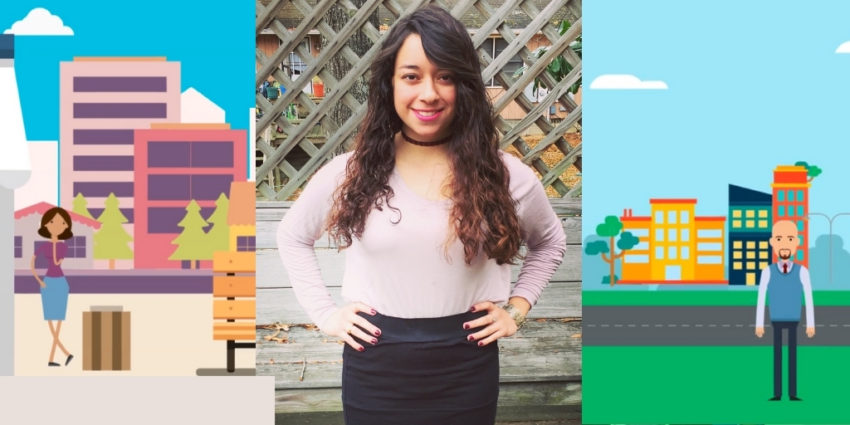
“Ever wondered why your neighborhood looks how it does?” Jennifer Rangel once asked herself this question. To find an answer, Rangel got a master’s degree in urban planning. Along the way, this Latina planner learned that discriminatory urban planning practices, like the zoning of land, had been used for white advantage for over a century, segregating communities and forging inequities in health and wealth among Latinos and other people of color. Rangel wanted to share what she learned. So she helped create workshops─then bilingual animated videos─to train neighborhood leaders, social workers, and others about zoning and how to get involved in zoning changes. “Understanding zoning is a critical step for residents as they try to undo previous harms and to ...
The prospect of homeownership remains out of reach for many Latinos as incomes fail to keep up with rising property values. The community land trust model is a shared ownership model designed to protect people, neighborhoods, and businesses at risk of gentrification and displacement due to development and the upward pressure of urban land markets. This model can be used for housing, small businesses, agriculture, and community resources. There are roughly 277 community land trusts across the US, many addressing housing instability. Community land trusts could play an important role in supporting economic recovery during and after COVID-19.
Unfair Urban Land Markets Leave Many Families Behind
Property rights in America were not created equal. They have excluded Latinos, ...
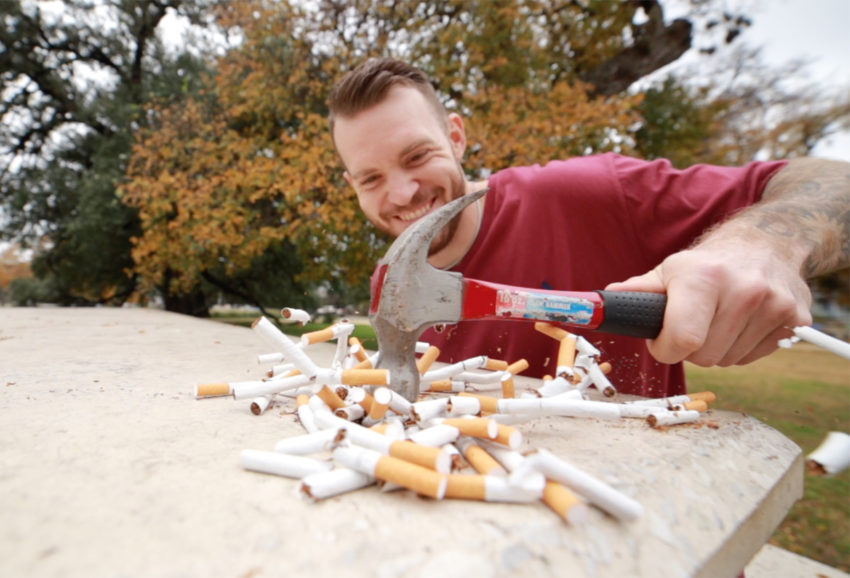
You don't have to stop smoking in one day. Start with Day 1. On Thursday, Nov. 19, 2020, you can join thousands of people who will begin their smoke-free journey with the Great American Smokeout. This annual event from the American Cancer Society encourages smokers to make a plan to stop smoking. Need help? Sign up for Quitxt, a free English or Spanish text-message service that turns your phone into a personal "quit smoking" coach from UT Health San Antonio. To join Quitxt, text "iquit" (for English) or "lodejo" (for Spanish) to 844-332-2058. "For the Great American Smokeout, we're excited to share Quitxt to provide real-time help with motivation to quit, setting a quit date, handling stress, and much more, all on your phone," said Dr. Amelie G. Ramirez, director of the ...