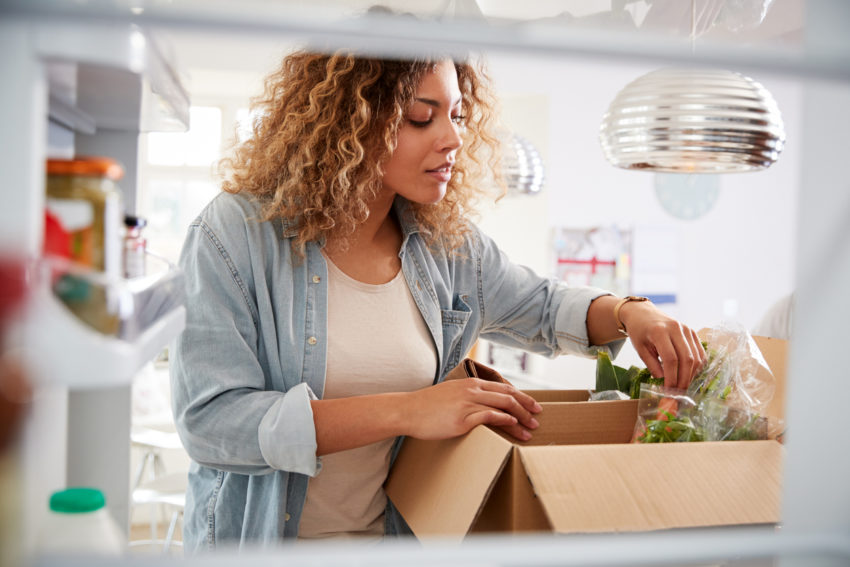
Before COVID-19, families with SNAP federal food aid could not use their electronic benefits transfer (EBT) cards to buy groceries online. They had to go to into stores and risk infection. The good news is 37 states now have a SNAP online food purchasing programs. The bad news is that those online purchasing programs could “expose [SNAP] participants to increased data collection and surveillance, a flood of intrusive and manipulative online marketing techniques, and pervasive promotion of unhealthy foods,” according to the Center for Digital Democracy. The Center’s new report explains how federal and state policies fail to protect consumers against unhealthy food marketing, threatening the health of SNAP families. The report also recommends regulatory safeguards, industry ...
Submit a comment to support strong limits on added sugars and no sugary drinks for toddlers in the scientific report that will help shape the 2020-2025 Dietary Guidelines for Americans. A federal committee released the scientific report on July 15, 2020, after spending months reviewing data and over 55,000 public comments—including some from Salud America! members. USDA and HHS will use the scientific report and comments to draft the 2020-2025 Dietary Guidelines for Americans. You can comment on the report through Aug. 13, 2020. Marion Nestle, a nutrition researcher, told CNN that the report has "stronger recommendations" than past guidelines. This includes no sugary drinks for children up to age 2. "At the outset, I was concerned that the committee members might be ...
Millions of frontline workers continue to commute through the COVID-19 crisis and millions more will start back as businesses reopen. An estimated 2.8 million American workers in essential industries commute to work on transit. However, amid the economic fallout of COVID-19, many transit agencies have or anticipate having to cut service, which could hurt low-income and Latino communities who rely most on public transportation and don’t have the option to work from home, particularly in cities where transit is already infrequent and unreliable. Cuts to transit service could also hurt the millions of families who have lost jobs or lost hours and are considering selling a vehicle to save money. As local, state, and federal leaders discuss recovery plans, they need to consider ...
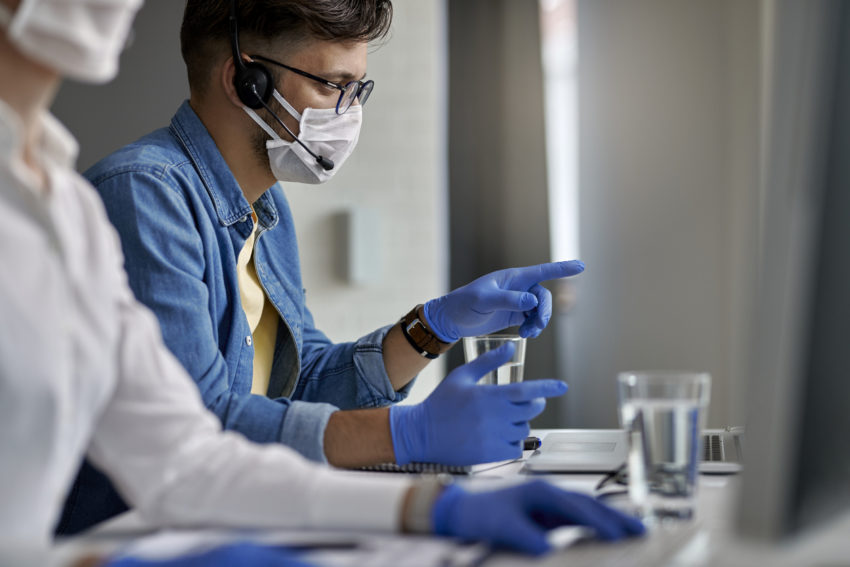
Have you or someone close to you tested positive for COVID-19? You should have gotten a phone call from a local public health worker─a “case investigator” or “contact tracer”─who would give guidance on monitoring symptoms, quarantining to prevent spread, and more. But some cities don’t have enough people to make these important calls. Also, some people don’t answer or return phone calls from unknown numbers and may be uncomfortable answering questions. That is why, to reduce the spread of COVID-19, cities must invest in extensive contact tracing efforts and encourage the public to answer or return phone calls from the health department. “Case investigation and contact tracing, a core disease control measure employed by local and state health department ...
Walking and biking are critical transportation options for physical and mental health. More importantly, they are essential to get to destinations, particularly Latinos during the coronavirus pandemic — including those who are simultaneously less likely to work from home than their white peers and more likely to be impacted by job loss. When the pandemic began, the portion of auto loan accounts in financial hardship jumped from 0.64% in March to 3.54% in April, according to TransUnion. Financial hardship status is defined by factors incliuding: A deferred payment or frozen past-due payment because a person is unable to keep up with payments due to a change in financial circumstances, such as loss of a job
Significant cut in hours or pay
Medical illness To recover and ...
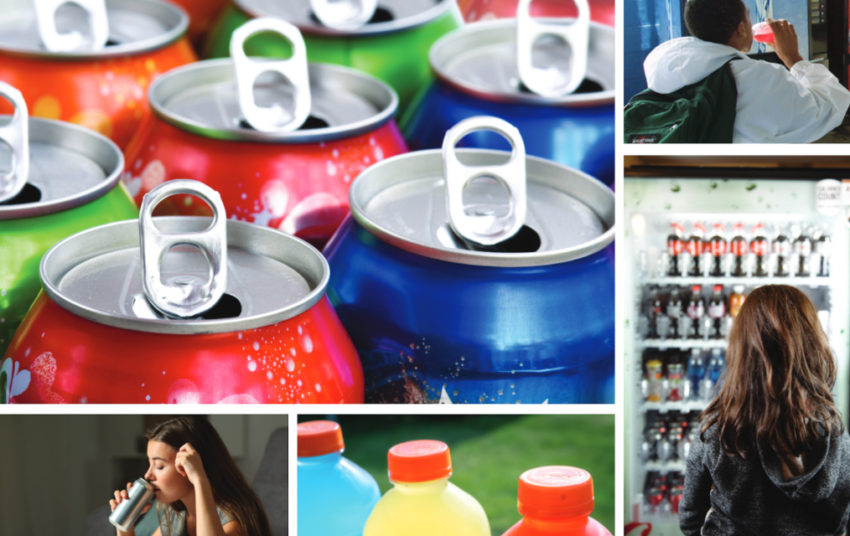
Spending on sugary drink TV advertising aimed at black and Latino youth is up, according to Sugary Drink FACTS 2020, a new report from the Rudd Center for Food Policy & Obesity. Overall, the report found that in 2018 companies spent a whopping $1 billion (26% increase since 2013) in sugary drink advertising. These drinks include regular soda, sports drinks, iced tea, fruit drinks, flavored water, and energy drinks. Pepsi and Coca-Cola accounted for the largest share of sugary drink advertising in 2018. In the report researchers also explored the nutritional value of sugary drinks advertised by large companies. "These analyses of the nutrition content and advertising of sugary drinks and energy drinks demonstrate that beverage company advertising of sugary drinks to young ...
Researchers are finding that population density is not associated with higher death rates from COVID-19. Unfortunately, some people still blame compact housing and transit for pandemic spikes, and use that misinformation to promote sprawling residential development and disinvestment in transit in the name of health. These are the same poor practices that have segregated neighborhoods and contributed to drastic disparities in health and wealth for a century. As city leaders respond to concerns about COVID transmission and develop economic recovery plans, they must challenge the discriminatory status quo, consider transportation expenses, and shift toward equitable, compact (not overcrowded) housing development. “Restoring urban transit networks to full force, expanding their ...
In a move that shows how social movements can address local health, Black Lives Matter advocates are helping push for a grocery store in a food desert in Oklahoma City (14.6% Black, 19.2% Latino). The advocates brought a demand for a store to city leaders. They met with Oklahoma City Mayor David Holt, Homeland grocery store President and CEO Marc Jones, and economic developers to discuss plans for building the 30,000-square-foot store to a local food desert on the Northeast side of the city, according to Patrina Adger of KOCO News. The area's only grocery store closed down about a year ago. This left neighbors with little access to fresh fruits and vegetables. "Obviously it's just this huge unmet need [for healthy food options] for a number of years," Jones of Homeland told ...
55,564 people—including members of Salud America!—submitted public comments to help shape the 2020-2025 Dietary Guidelines for Americans. A federal advisory committee will consider the public comments, collected from March 2019 to June 2020, as they create a scientific report to inform the new dietary guidelines. Our members made over 250 comments to add water to the MyPlate/MiPlato graphic, reduce added sugars, and promote dietary equity. The USDA and HHS will use the scientific report and comments to draft the 2020-2025 Dietary Guidelines for Americans. But don't worry if you missed commenting! USDA and HHS will open a new comment period for the advisory committee's scientific report around July 15, 2020. "We're excited that so many people spoke up for equitable ...