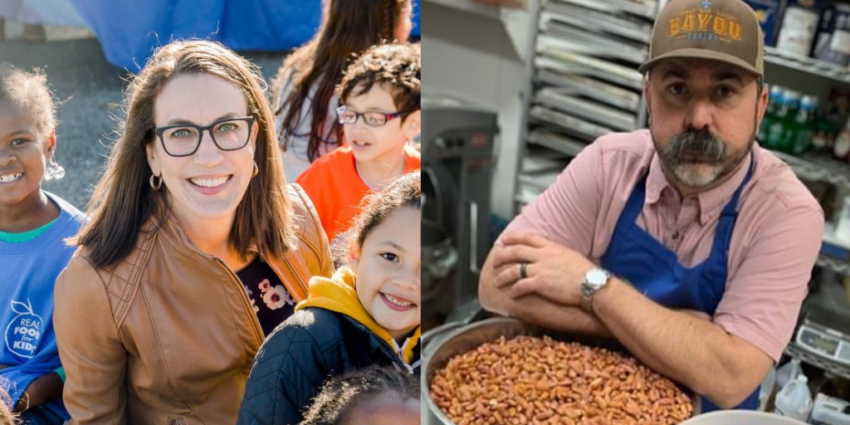
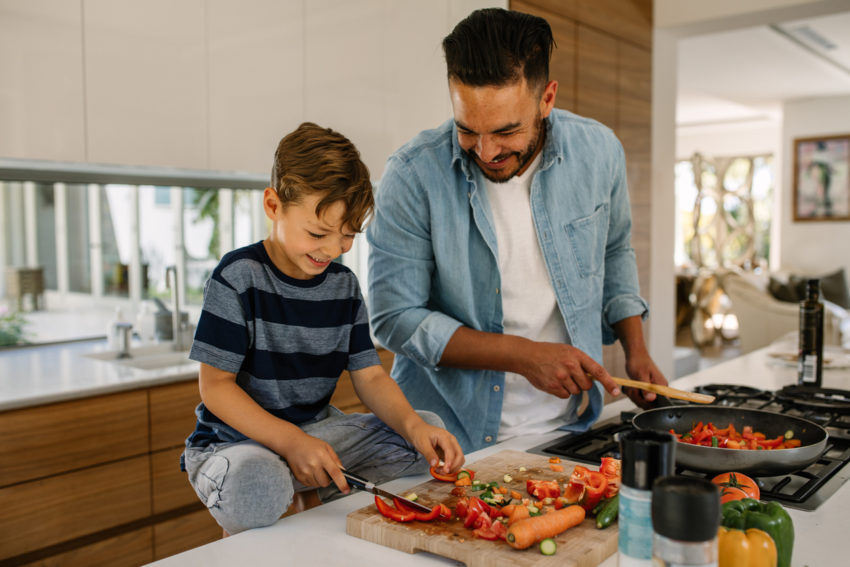
Jenn Yates is an advocate who usually pushes for healthier school food in Arlington, Virginia (15.8% Latino). David Guas is a chef who usually is feeding people. These days, amid the COVID-19 pandemic, Yates and Guas are a dynamic duo that provides free meals to vulnerable families to prevent hunger while schools and restaurants are closed. And, thanks to the advocate and the chef, red beans and rice are feeding thousands. May 5 UPDATE: The Chefs Feeding Families initiative has provided 18,000 meals to families across the DC metro area.
Yates, the Advocate, Understands the Importance of Food Assistance Programs
Yates grew up in a low-income, working family. She said she is grateful for food assistance programs like free meals at schools. “I got school meals as a kid,” ...
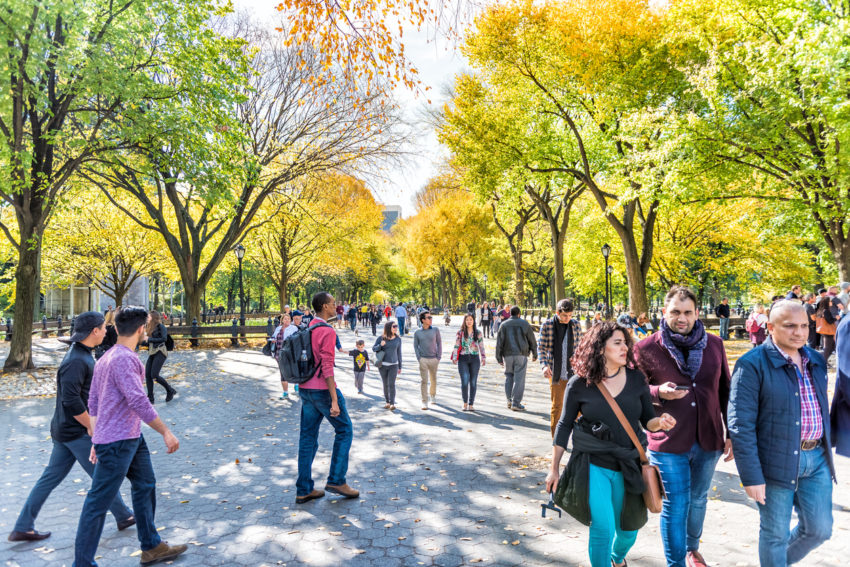
With schools and retail stores closed to prevent the spread of COVID-19, more people are going outside to walk and bike in communities across the country. Philadelphia and New York are closing some streets to cars and open them to people walking and biking. This gives people room to practice six-foot social distancing rules as they pick up groceries, get physical activity, and grab some fresh air amid the coronavirus lockdown. But some cities and states are closing parks amid virus fears. This worsens existing inequities in access to green and open spaces for Latinos and other disadvantaged communities. Equitable access to green and open spaces is more important than ever.
Outdoor Recreation is Surging during Coronavirus
Social media is abuzz about the spike in people outside ...
The COVID-19 pandemic is affecting health equity in many ways, including homelessness, evictions, and affordable housing options. Low-income workers, the uninsured, those with unstable housing, and immigrant communities will bear the brunt of this crisis. Many U.S. cities were dealing with a homelessness crisis long before this outbreak. Now, the escalating pandemic has created a catastrophe threatening thousands of lives.
Affordable Housing Crisis during COVID-19
Millions of Americans face housing cost burdens. Over half a million sleep on the streets any given night, according to a recent report. Worse, countless people and families pay more than they can afford to keep a roof over their heads every month. The coronavirus outbreak is a public health emergency that will ...
As the current novel coronavirus continues to spread, one fact has become clear: Governments around the globe were not prepared — especially concerning environmental impacts. While there is no direct link between pollution and the risk of developing COVID-19, yet, studies have shown that poor air quality can raise one's susceptibility to disease. Worse, high rates of toxic exposure can lead to poorer outcomes of those illnesses. Disadvantaged groups, including Latinos, are in greater jeopardy as they are the ones who live in the areas with more significant amounts of air pollution. "There's lots of evidence that air pollution increases the chances that someone will get pneumonia, and if they get pneumonia, will be sicker with it," Aaron Bernstein, interim director of the ...
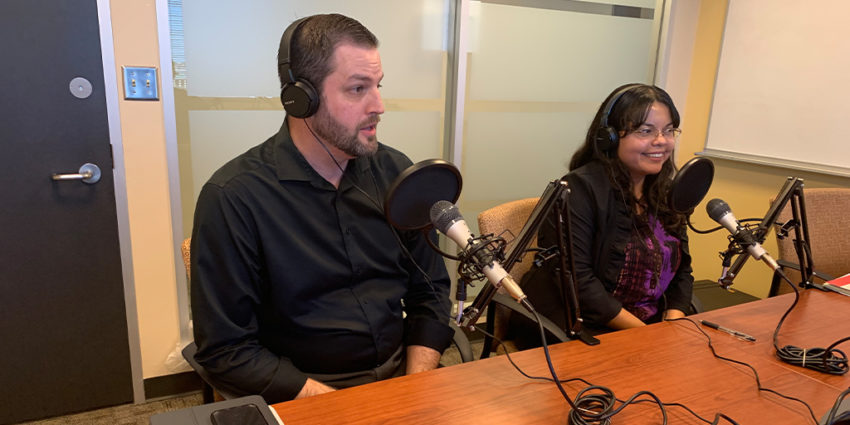
Amid a global pandemic, most find themselves inside their homes more than ever. While this is tough for some and easier for others, one thing is apparent: Many are asking some tough questions, including, are the systems that are currently in place operating in the best interest of everyone? One system in question is how our local, state, and federal governments—as well as every citizen in the country—practices sustainability. In January, we sat down with government officials from ReWorks San Antonio, an agency of the city's Solid Waste Management Department, that aims to connect businesses to cost-effective recycling solutions and promote those businesses among consumers who value social responsibility. Check out this discussion on the Salud Talks Podcast, Episode 23, ...
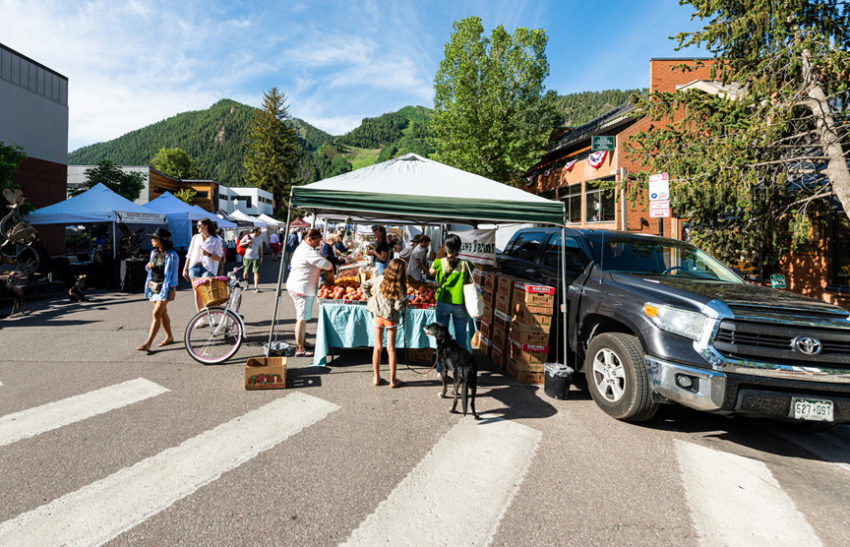
The coronavirus outbreak is making it harder for Latino and other families to get enough food to feed their families, a condition also called food insecurity. People are stocking up on groceries and buying online in hopes of hunkering down and limiting social interactions, to help prevent the spread of COVID-19. But families who rely on nutrition aid can’t stock up. They also can’t buy online. With many schools and farmer’s markets also closing, many families are struggling to replace school meals at home for their children. This is especially impacting Latino and black households, who are more likely to suffer food insecurity (16.2% and 21.2%, respectively) than the national average (11.1%).
SNAP Benefits Not Adapting to Coronavirus Crisis
As many families are piling up ...
Everyone deserves a safe and reliable way to get to healthy food—whether a supermarket, farmers market, or food bank. Without nearby grocery stores, people must travel further or rely on corner stores, which often sell food that is poorer in quality and more expensive, and without crosswalks, sidewalks, and bike lanes, people walking and biking are at increased risk of injury or death. The Safe Routes National Partnership released a new report with policy implications, opportunities, and recommendations to help you advance safe routes to healthy food in your community. Let’s use #SaludTues on March 31, 2020, to tweet about the problem, opportunities, and policy recommendations to improve access to healthy foods, particularly for people without cars. WHAT: #SaludTues ...
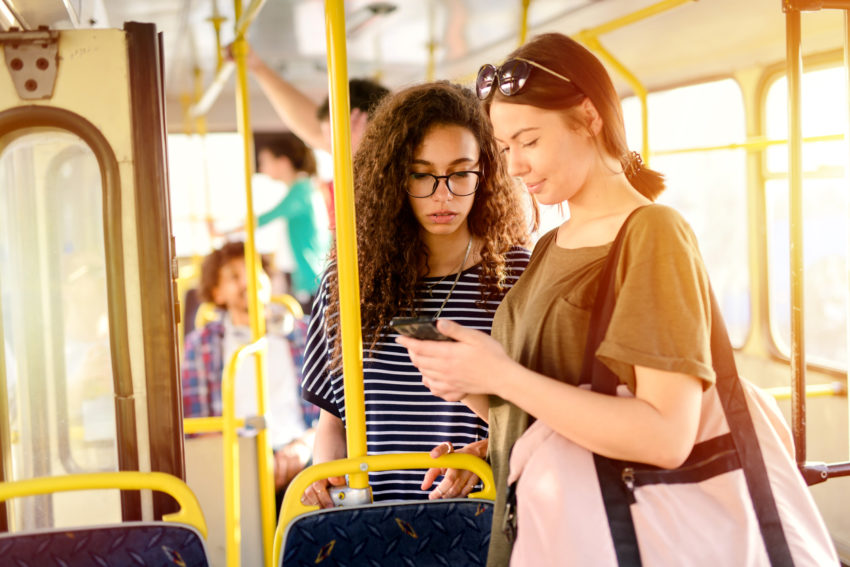
As families practice social distancing to slow the spread of COVID-19 and as governments close non-essential businesses, employees are losing their jobs and transit is losing ridership. Economists estimate that nearly three million Americans could lose their jobs by summer. Many of these are low-wage workers in service industries with little savings to get through a recession. Recently President Trump warned Senate Republicans that the coronavirus pandemic could cause the unemployment rate to reach 20%, according to NBC News. This is double the highest unemployment rate from the Great Recession. On March 25, 2020, U.S. legislators agreed to a $2 trillion coronavirus economic stimulus bill. “Without federal financial assistance, many transit agencies and paratransit service ...
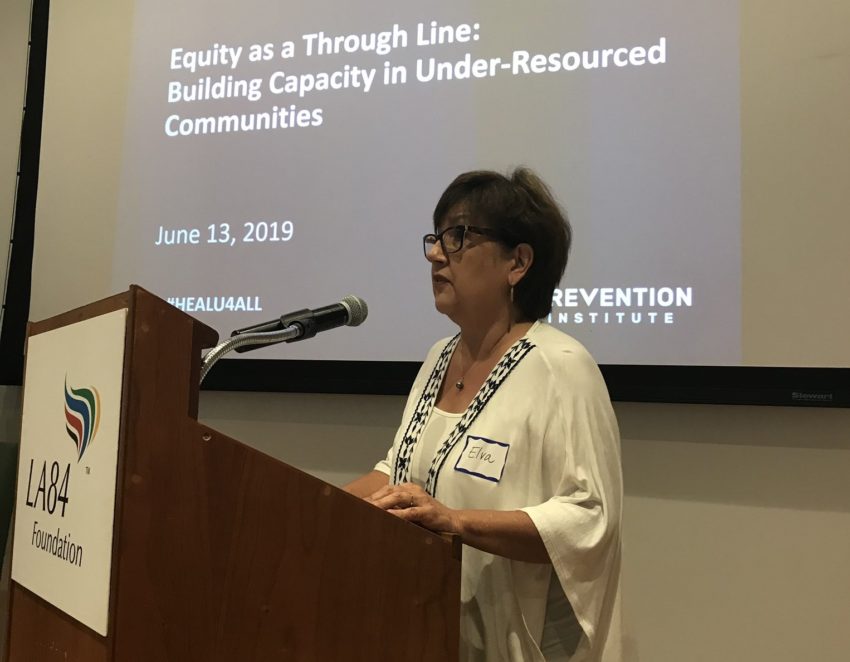
Elva Yañez—with her neighbors and allies—waged a campaign that has lasted over 15 years to preserve one of the last unprotected open green spaces in her Northeast Los Angeles community of El Sereno. Before working on healthy equitable land use issues, she worked in tobacco control. When she recognized similarities in the way tobacco companies and land developers fought to protect private interests from government regulation, she began using tobacco control tactics to fight for environmental justice. With the help of others, she led an effort to stop one particularly harmful residential development in her community that had serious public health and safety consequences. Throughout the campaign she knew she wanted to go upstream and address the systemic conditions that allowed ...