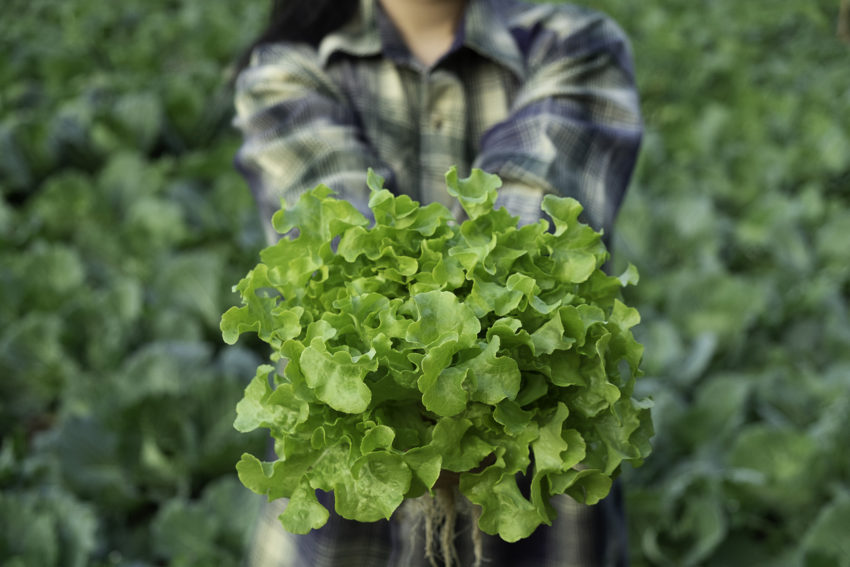
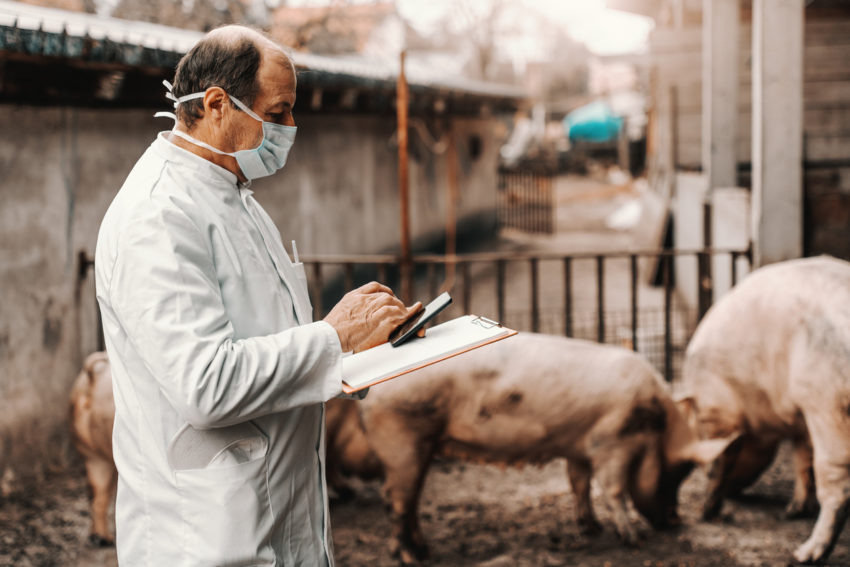
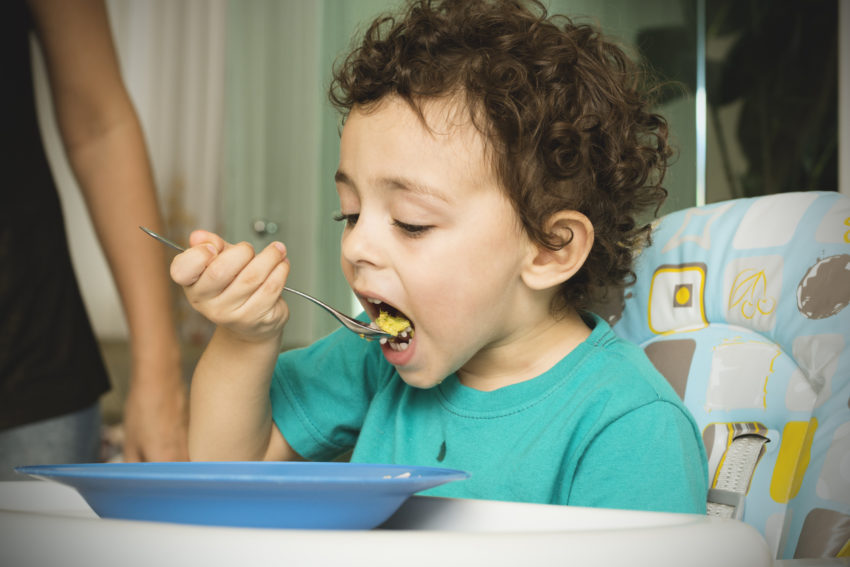
The future of humanity depends on building healthier food systems. Why? Because our current food and farming systems make us sick in these ways: Unhealthy working conditions
Contaminants in the water, soil, or air
Specific foods are unsafe for consumption
Unhealthy diets
Lack of access to adequate, acceptable food That is why the International Panel of Experts on Sustainable Food Systems (IPES Food) published a report to identify five leverage points for building healthier food systems.
1. Promote Food Systems Thinking
It’s time to overcome political and scientific silos. It’s time to reconnect people with the realities of the food on their plates. The way food impacts health isn’t an isolated event. We need to promote “food system thinking” ...
Our food systems affect our health in good and bad ways. For example, some of the most severe health impacts of food systems trace back to some of the core industrial food and farming practices. These include chemical-intensive agriculture, intensive livestock production, and mass production and marketing of processed foods. That is why the International Panel of Experts on Sustainable Food Systems (IPES Food) published a report to identify five ways our current food systems make us sick, seven challenges to understanding and addressing them, and five leverage points for building healthier food systems. Here are five ways our current food system makes us sick:
1. People Get Sick Because They Work in Unhealthy Conditions
Pesticides are responsible for an estimated 200,000 acute ...
What we choose to eat affects everything. However, our current food system is unhealthy and unsustainable, leaving us with options that pollute our air and water, consume large amounts of energy, and contribute to chronic disease and premature death, all while leaving millions undernourished. Transitioning away from an animal-based system to a plant-based system, for example, has numerous social, environmental, economic, and individual health benefits. Let’s use #SaludTues on January 28, 2020, to tweet about how you can raise awareness about and push for policies to support healthy food systems. WHAT: #SaludTues Tweetchat: “Elevating Plant-Based Food Systems”
TIME/DATE: 1-2 p.m. ET Tuesday, Jan. 28, 2020
WHERE: On Twitter with hashtag #SaludTues
HOST: ...
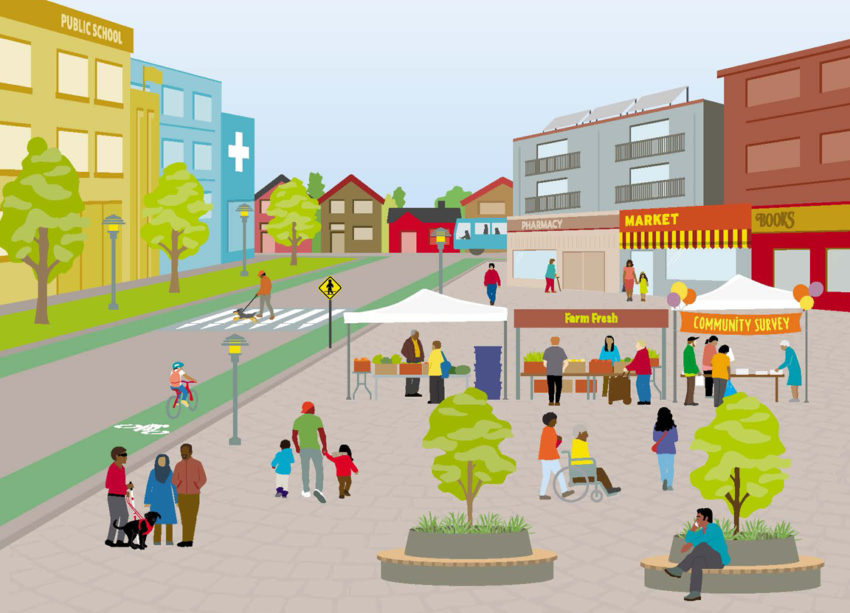
Physical activity, like walking, is one of the best ways a person can improve their health and quality of life, while cutting risk of at least 20 diseases and conditions. Unfortunately, too few communities are designed for walking and physical activity. Intentionally creating communities with safe routes to everyday destinations is a key strategy to increase physical activity─not only to reduce health disparities, healthcare costs, and premature death, but also to increase equitable access to opportunity to build health and wealth. That’s why the CDC launched Active People, Healthy NationSM in January 2020. The initiative will help community leaders use proven strategies to make physical activity safe and enjoyable for people of all ages and abilities. It specifically ...
James Rojas loved how his childhood home brought family and neighbors together. The L.A. home had a big side yard facing the street where families celebrated birthdays and holidays. Uncles played poker. Aunts tended a garden. Children roamed freely. Mexican elders—with their sternness and house dresses—socialized with their American-born descendants—with their Beatles albums and mini-skirts. Rojas was shocked to find some would look down on this neighborhood. “Why do so many Latinos love their neighborhood so much if they are bad?” he wondered. Rojas, in grad school, learned that neighborhood planners focused far more on automobiles in their designs than they did on the human experience or Latino cultural influences. He wanted to change that. Rojas has spent ...
Local planners have the power to help create healthy, fair communities. Unfortunately, common planning practices have contributed to the high percentage of poor people and people of color who live in unhealthy places, widening disparities in health and wealth. That's why our friends at ChangeLab Solutions created Long Range-Planning for Health, Equity & Prosperity: A Primer for Local Governments. This can help planners prioritize health and equity in their work. "By integrating health and equity considerations into planning practices, planners have the power to revise past planning decisions and create healthy, equitable, and prosperous communities," ChangeLab reports.
Place Matters for Health Equity
Where you live matters for your health. Inequitable city planning, ...
Sugary drink taxes are taking out the fizz across the nation. From Washington, D.C., to Berkeley, Calif., sugary drink taxes are raising the price of soda, tea, and energy drinks, with the hope that people will buy fewer taxed drinks. These drinks do not contribute to good health, according to a Salud America! research review. But are shoppers really buying fewer sugary drinks as a result? A series of studies explores this question.
How Sugary Drink Taxes Affect Purchases
A new study from Mathematica Policy Research and others indicates that sugary drink taxes can reduce purchases of sugary drinks. Researchers examined the impact of taxes in four cities: Philadelphia, San Francisco, Seattle, and Oakland. They compared changes in household monthly purchases to nearby cities ...
Earlier this year, the EPA under Andrew Wheeler announced plans to address widespread lead corruption in U.S. public water supplies. In October, the agency released proposed revisions to the Safe Drinking Water Act's "Lead and Copper Rule." These modifications aim to decrease the pervasiveness of the toxin through a series of regulations — including limits on allowed levels of lead in water. Environmentalist groups—including Clean Water Action—are calling for further action. Mainly, they urge for a full replacement of lead services lines throughout the country. If these lines are left intact, they pose a serious concern to Latinos and Americans across the country who face dangerous lead exposure through their drinking water. "Everything else is small potatoes," Erik ...
Salud America! members were among more than 120,000 people who submitted comments about a proposed cut the the SNAP federal food aid program. USDA wants to change in how it calculates heating and cooling costs when it comes to SNAP benefits. The change would limit individual states’ abilities to factor in utility costs with SNAP. This could affect people who live in cold-weather states like New York, Michigan, Minnesota, Wisconsin and Vermont. The change would cut program benefits by $4.5 billion over five years. Almost 8,000 households would lose SNAP benefits entirely. Although people submitted 120,000 comments via regulations.gov, only 5,060 are available publicly on the website. Of these, 150 were from Salud America! members. "SNAP cuts have dangerous impacts on ...