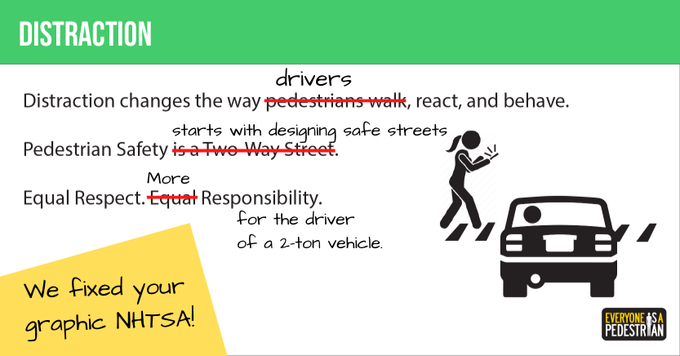
The National Highway Traffic Safety Administration (NHTSA) is celebrating pedestrians by designating October as the first-ever Pedestrian Safety Month and creating a playbook with social media materials to raise awareness. This is good, because pedestrians deserve safety on a road, parking lot, or crosswalk. But it’s not all good. NHTSA is mostly focused on individual pedestrian safety, as opposed to systemic policy changes. This is a form of pedestrian-blaming. By blaming the pedestrian, like in victim-blaming or justifying inequities, Pedestrian Safety Month actually distracts from efforts to address the very transportation systems that endanger pedestrians in the first place. We are excited to see that Transportation for America’s Twitter thread that modified NHTSA ...
Exposure to the fumes from harmful tobacco products, such as cigarettes and cigars, can severely affect people, especially in children. Recent research shows that children who live with a smoker are more likely to become hospitalized than their peers living in smoke-free households. According to Dr. Ashley Merianos, an associate professor in the School of Human Services at the University of Cincinnati, this data does not come as a complete surprise. "In past studies, we found up to nearly one-in-two children who come to the pediatric emergency department are exposed to tobacco smoke," Merianos told The Denver Channel. "We also found that the children who had been exposed had increased respiratory-related procedures, increased diagnostic testing. So, for example, being tested for ...
The United States has one of the highest childhood obesity rates in the world. That statistic sounds worse when considering the ways companies target unhealthy foods and drinks to Latino and other children of color — all contributing to health inequities and a higher obesity. This is why civic leaders in Berkeley, Calif., passed legislation to make it the the first U.S. city to ban junk food and candy in grocery checkout aisles. The will will go into effect early next year. "Placement of unhealthy snacks near a register increases the likelihood that customers will purchase these foods and drinks when willpower is weak at the end of a long shopping trip," City Council member Kate Harrison said in a press release.
The Ban of Junk Food in Store Checkout Aisles
Although a ...
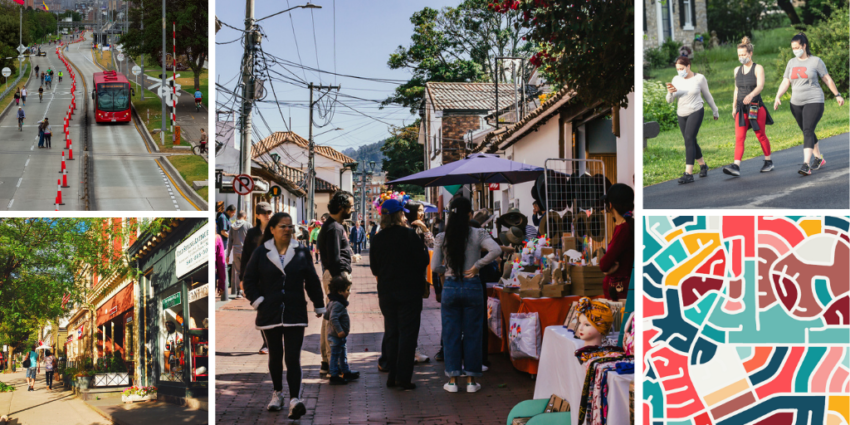
Latinos face many transportation inequities. Years of unjust planning practices have cut them off from opportunities for health and wealth. To promote transportation equity for healthier communities, our leaders must ensure that transportation policies and practices are inclusive of Latino needs, address existing disparities, and are responsibly evaluated and measured, according to expert recommendations in two new reports from Salud America! at UT Health San Antonio. The two reports stem from Salud America!’s year-long workgroup of U.S. transportation and planning leaders that explored all aspects of equity in transportation for Latinos, thanks to an Innovation, Equity and Exploration grant from the Voices for Healthy Kids network at the American Heart Association. "These ...
Our streets are the backdrop for social justice. On our streets, we see discriminatory policing targeting people of color. On our streets, we see protests to dismantle systemic racism. On our streets, there is more danger for pedestrians of color, as the rate of pedestrian deaths per 100,000 is 12% higher for Latinos and 48% higher for Blacks than whites. So why are our street planners mostly white, and mostly male? In fact, 88% of practicing urban and transportation planners self-identified as white, according to a 2013 American Planning Association Survey. That’s why, in the summer of 2020, Portland State University’s Urban Studies and Planning department reviewed the syllabi for core courses to determine how many readings and assignments were on topics of race and ...
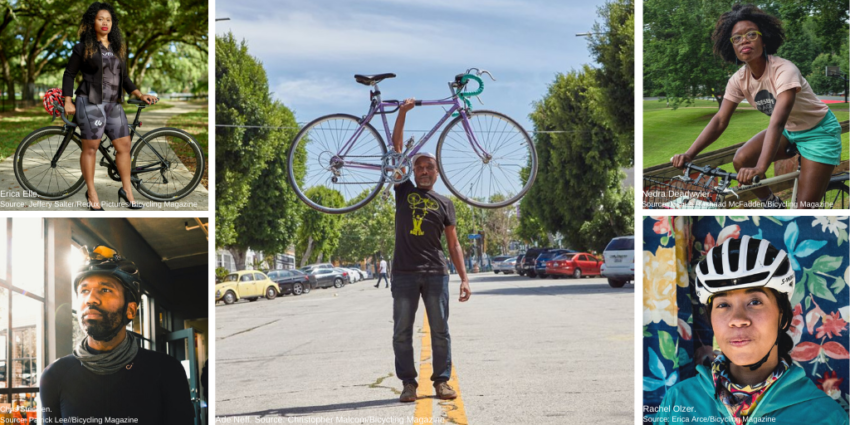
Harmful biases impact the world of bicycling—professional, recreational, doctor-advised, and as a mode of transportation. That’s why we feel it’s essential to promote the stories of 14 riders who shared with Bicycling Magazine about their experiences being Black in the cycling world. These stories, which demonstrate the systemic barriers facing Black riders, are inspiring to many bicycle riders of color, including Latinos, who also deal with physical and silent barriers when it comes to public space. “With the rise of bicycling during this global health pandemic, this is the moment to educate the casual beach cruisers, fully-kitted weekend warriors, the urban planning students who can’t wait to ride back to campus—all of us—on the systemic oppression of Black ...
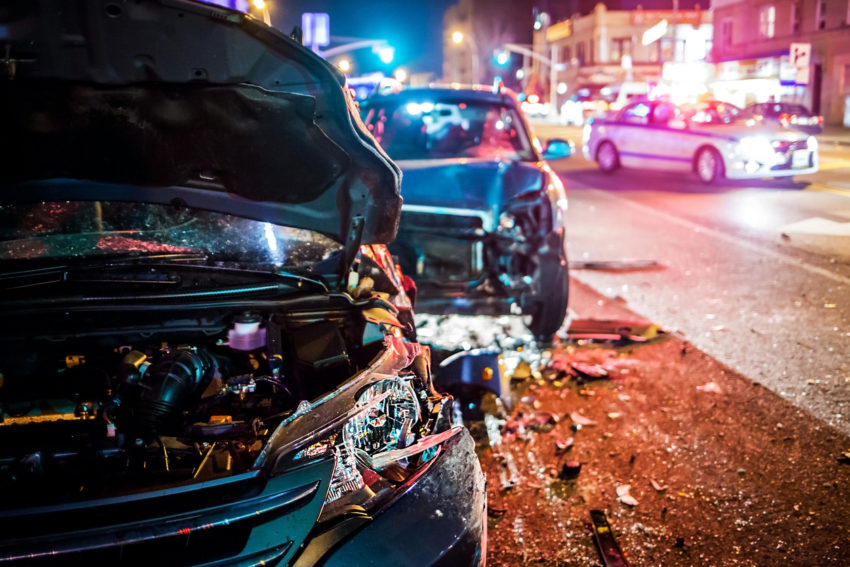
Although people have been driving less since the COVID-19 pandemic began, the traffic death rate has gone up. Technically, absolute traffic deaths have decreased. But when you factor in the drop in vehicle miles traveled, people are being killed on our roads at a higher rate. Experts blame higher travel speeds due to emptier roads. MARCH 2020 UPDATE: Motor vehicle death rate up 24% in 2020 compared to 2019—the biggest increase in 96 years—despite drops in miles driven, according to the National Safety Council.
People Are Driving Less
Coronavirus took a major toll on health, especially for Latinos. But the virus also forced lockdowns and isolation across the country, slowing the economy and travel. Travel on roads and streets dropped 25.7% in May 2020, compared to May ...
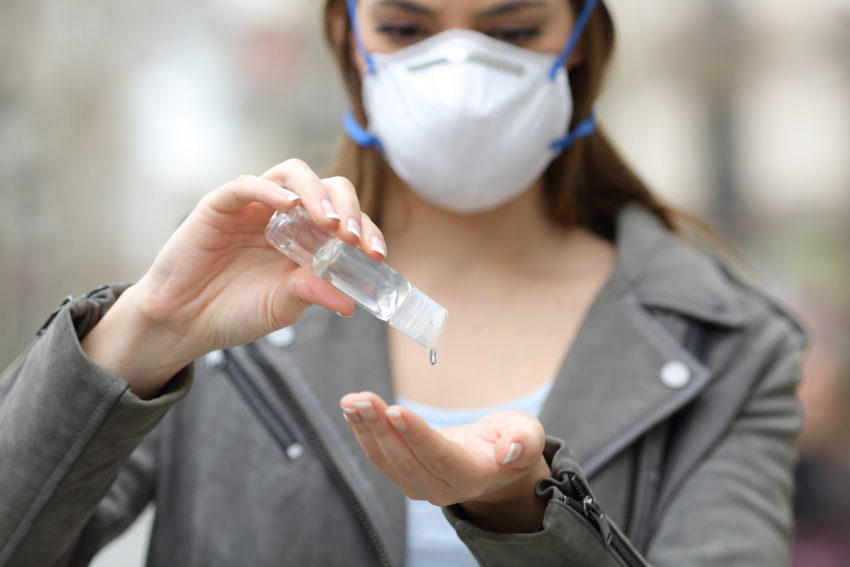
As everyone adapts to a quickly spreading coronavirus, many are taking every precaution necessary to avoid infection and spread — including practicing good hygiene. Using hand sanitizer is a popular way to keep your hands clean and avoid coronavirus. Companies throughout the world have ramped up production of these kinds of items to meet the demands of consumers reacting to the wide sweeping nature of this pandemic. Still, not every company has the best intentions, according to New Jersey physician anesthesiologist Dr. Nina Radcliff. “Hand sanitizers that are deemed safe and used effectively can serve as a secondary method of hand washing,” Radcliff writes in a recent The Press of Atlantic City health column. “But not all hand sanitizers are created equal and it’s ...
Thank you to the 38,367 people—including over 800 Salud America! members—who submitted public comments for better nutrition and limited added sugars for the 2020-2025 Dietary Guidelines for Americans! These comments are the latest step in shaping the guidelines. USDA and HHS update the guidelines every five years. They are the leading set of nutrition standards for people, health professionals, and federal food programs. Submitted between mid-July and mid-August 2020, the new comments arrive after an initial 55,000 public comments between winter 2019 and spring 2020. A federal committee then released a scientific report to inform the guidelines. Recommendations include no sugary drinks for children up to age 2 and less alcohol intake for men. Now we await the release the ...