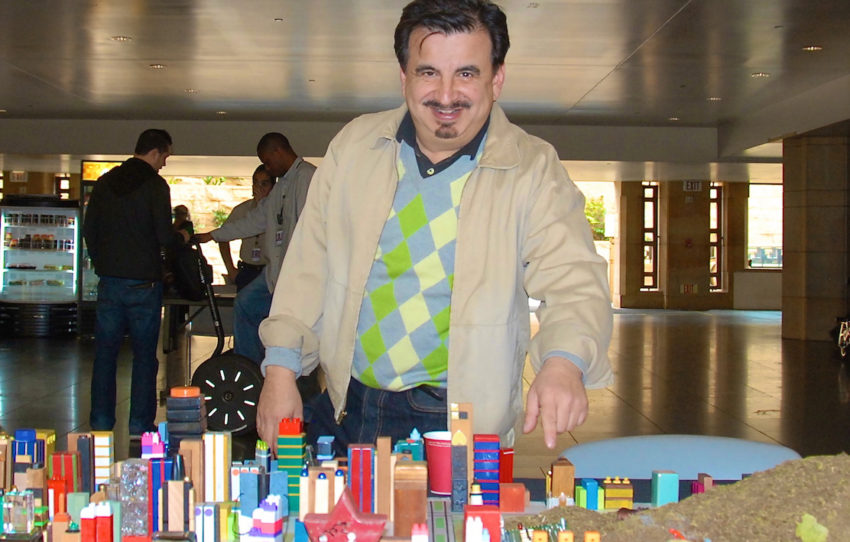
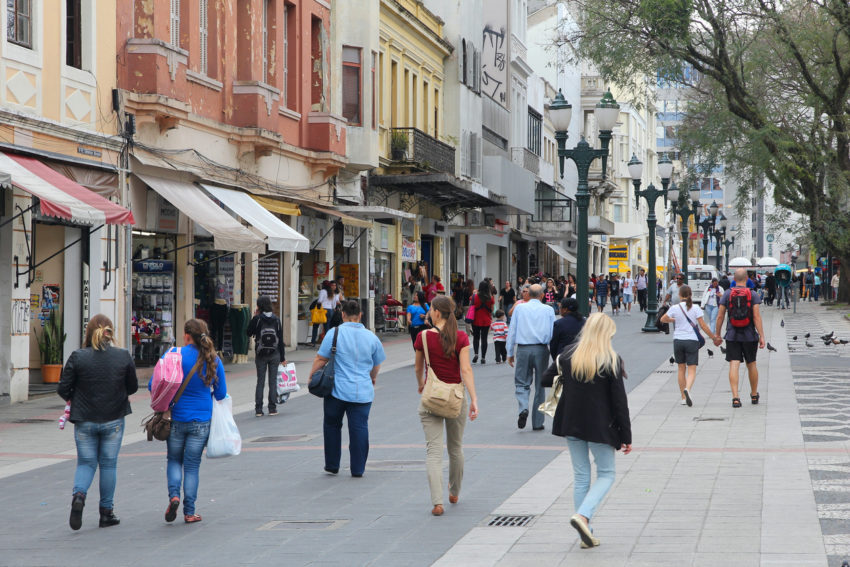
Since James Rojas was child, he has been fascinated with urban spaces like streets, sidewalks, plazas, storefronts, yards, and porches. He started noticing how spaces made it easier or harder for families, neighbors, and strangers to interact. For example, his urban space experience got worse when his Latino family was uprooted from their home and expected to conform to how white city planners designed neighborhood streets for cars rather than for social connection. “[Latinos] are a humble, prideful, and creative people that express our memories, needs, and aspirations for working with our hands and not through language,” Rojas said. “However, there are no planning tools that measure this relationship between the body and space. Therefore, our mobility needs can be ...
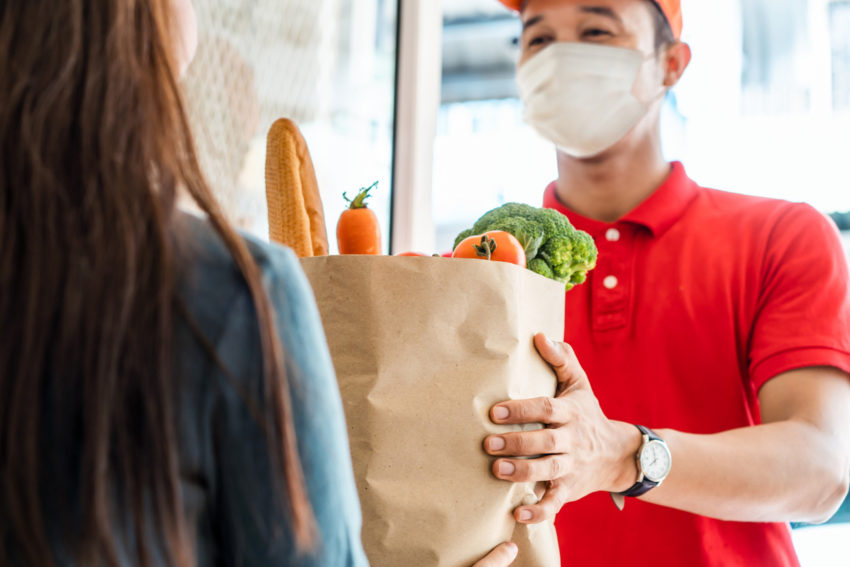
Food insecurity and health disparities disproportionately affect lower income communities and communities of color. These disparities are only exacerbated by the COVID-19 pandemic. Access to healthy food should be a universal right. It’s clear that we must reevaluate how food retail currently works in our country. We must rebuild a more equitable and just system. We can work together to promote food equity in our communities and across the country. This tweetchat coincides with the new release of a National Research Agenda on healthy food retail, published as a Special Journal Issue. Join #SaludTues at 1 p.m. ET on Nov. 17, 2020, to tweet about the importance of healthy food retail environments for advancing health equity. WHAT: #SaludTuesTweetchat: How a Healthy Food ...
Latinos in the U.S. are more likely to not have a vehicle than their white peers, and Latinos in urban areas are more likely to rely on public transit. This is great for the environment and physical health. It’s also a great way to save money. But many cities are car-centric. They lack safe alternatives to driving─ frequent transit, bike lanes, walkable neighborhoods─making it harder and more dangerous for Latinos to get to work, school, and other places. That is why Vision Zero Network is conducting a webinar, “Understanding and Addressing Transportation Equity in Latino Communities in the U.S.,” at 4 p.m. ET Nov. 18, 2020, to share transportation equity solutions from Salud America!’s recent Latino-focused transportation reports. Register for the ...
By CDC Healthy Schools
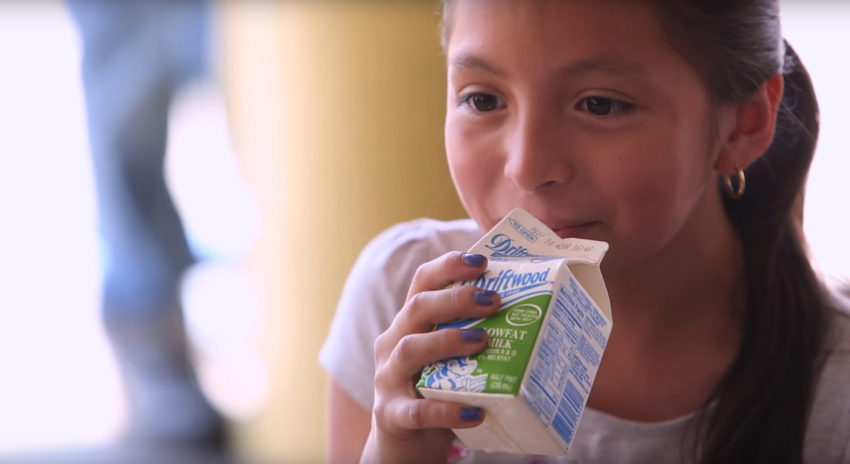
Guest Blogger for Salud America! Even though parents are used to juggling multiple roles and responsibilities, 2020 has brought on challenges. As a result of the COVID-19 pandemic, which has particularly impacted Latinos, many parents are helping their children with virtual learning while also balancing responsibilities at work and at home. If one of your new responsibilities is making sure your student is set up for success with breakfast and lunch, but you are stressed over buying groceries and making nutritious meals during the school day, there are solutions! The U.S. Department of Agriculture (USDA) is providing free school meals for all kids younger than 18 years during the entire 2020-2021 school year through June 20, 2021. USDA previously ...
In spite of the countless burdens of COVID-19 on Latinos, rates of increased household wealth have been on the rise. In fact, 40% of Latinos who do not own a home plan to become homeowners by 2025, according to a recent survey conducted by the National Association of Hispanic Real Estate Professionals (NAHREP). This presents a shift, not only in the housing market but in the state of race and class in the U.S., according to Veronica Figueroa, a veteran realtor in Orlando. “In recent years, Latinos have proven to be more confident than ever when it comes to homeownership and entrepreneurship," Figueroa told Click Orlando. "We are also seeing overwhelming confidence in Latino investors who choose to invest in real estate. Latinos are overcoming the stigma of being considered an ...
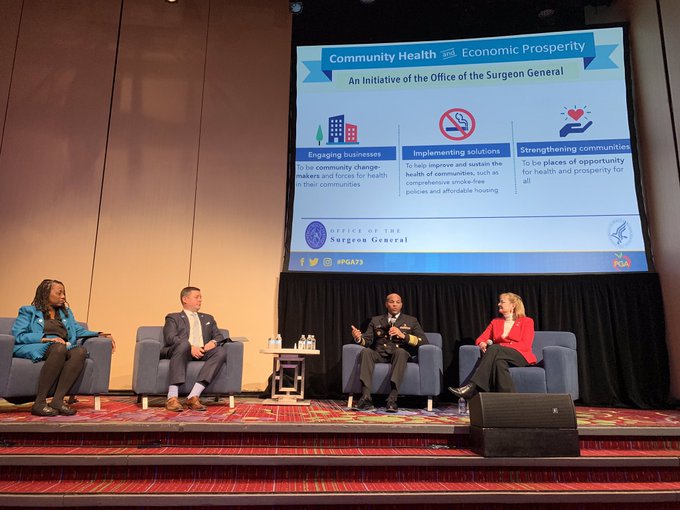
The status quo for health in America is expensive and failing. Medical care is costly for individuals, communities, businesses, and employers. But the U.S. ranks only 27th in life expectancy out of 35 Organization of Economic Cooperation and Development (OECD) countries. It also has the highest prevalence of obesity, with even worse rates among Americans of color. That’s why one of Surgeon General Dr. Jerome Adams’ priorities is to highlight and reverse inadequate investments in disease prevention and inequitable economic opportunities in our communities. Last year, Adams launched the “Community Health and Economic Prosperity” or “CHEP” initiative. “CHEP is the concept that community health and economic prosperity are inextricably linked,” according to the ...
Ángela García wasn’t planning on becoming an artist. She entered college in the pre-med track, intending to go into a medical career. But then she started taking art history classes. And she kept taking them, despite still being in the pre-med track. “I was like, ‘You know what? I don’t like this. Maybe I don’t like the sciences as much as I thought I did. And I’m really interested in this art history curriculum.’ So, I switched over at the end of my sophomore year,” García said. Now she’s a senior art history major at Trinity University in San Antonio, Texas, with several large-scale art projects under her belt, having rekindled a passion for creative work from her childhood. “I used to do painting when I was younger but I kind of fell out of it for a ...
Children of color continue to struggle with obesity. Obesity rate continues to be significantly higher for Latino (20.7%) and black children (22.9%) than for white children (11.7%) ages 10-17, according to the new State of Childhood Obesity report from the Robert Wood Johnson Foundation (RWJF). Obesity—and other chronic diseases—are more prevalent among those of color and those in poverty because discriminatory systems have disinvested in healthy policies and basic resources for them. In the midst of the current COVID-19 pandemic, which is worsened by obesity, it is more critical than ever to prioritize children’s health. Latino children and young adults account for over 40% of the COVID-19 deaths among people ages 0-24, according to the CDC. To prioritize children’s ...
Latinos face many transportation inequities that impact their ability to build health and wealth. This is due in part to a lack of diversity among decision makers, planners, and engineers and ethnocentric policies, projects, and investments that reinforce the auto-centric status quo. Ultimately, past and present planning practices have failed to be inclusive of Latino needs, failed to represent historic and existing inequities, and failed to responsibly evaluate and measure impacts, targets, and performance. Two new reports from our year-long workgroup of planners and planning scholars provide recommendations to prioritize Latino experiences and needs in the planning process; address inequities and promote racially/economically mixed communities, and modify metrics used to ...