Background plays a significant role in determining home energy use, emissions, and cost burden, according to a study by the University of Michigan and McGill University. Majority-White neighborhoods had the highest per-capita emissions, researchers found. In African-American neighborhoods, emissions were 90% of those in White neighborhoods. Latino neighborhoods had the lowest per capita emissions, at only 60% of White neighborhoods. Yet overlooked communities have higher energy rates than what they produce, adding yet another difference that harms health outcomes among this population and other populations, according to study co-author Tony Reames of the University of Michigan. “People that are struggling financially and then have high energy burdens are forced ...
Many Latino families struggle to get enough food to feed their families. Even if they do get enough food, what they have access to is often unhealthy and nutritionally vacant. This contributes to a higher risk for adverse health conditions such as diabetes, heart disease, and other health conditions. We need nutrition security. This means having consistent access to and availability and affordability of foods and drinks that promote well-being, while preventing — and, if needed, treating — disease. In honor of American Heart Month in February and National Nutrition Month in March, let’s use #SaludTues on Tuesday, Feb. 1, 2022, to discuss emerging strategies to change environments, systems, and policies to encourage nutrition security and healthier hearts for Latinos and ...
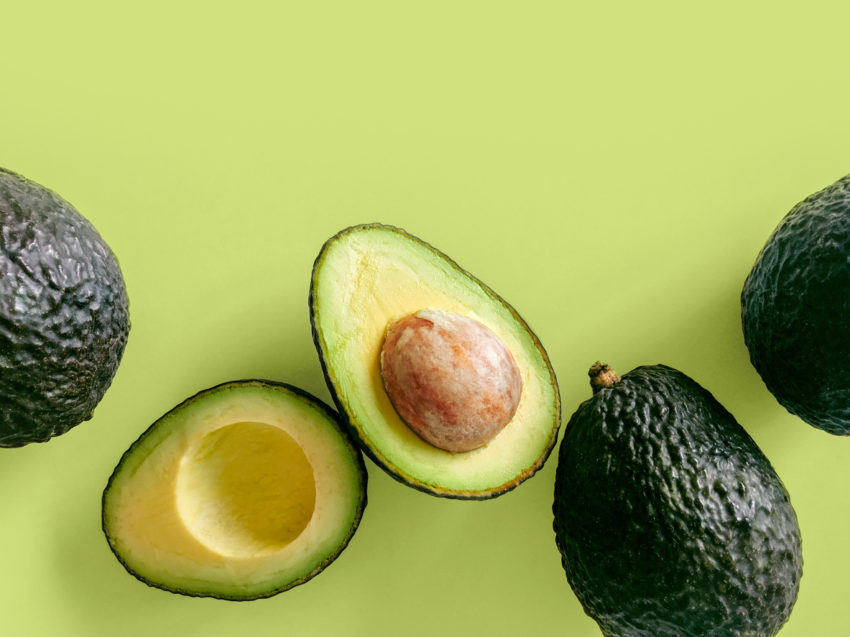
Avocados are a key part of a nutritious diet for Latino families, according to new research from the University of California San Diego School of Medicine and the Herbert Wertheim School of Public Health and Human Longevity Science. Researchers compared Latinos families who consumed a few avocados (three per week) and families who consumed a lot of avocados (14 per week) along with a standard nutrition intervention over six months. Latino families who ate more avocados reported consuming fewer calories, saturated fats, and sodium, which are major contributors to obesity among Latinos. They also had healthier hearts in terms of structure and function “Recent trials have focused on individuals, primarily adults, and limited to changes in cardiometabolic disease blood markers. ...
Childhood is critical for building healthy eating behaviors that can help your child grow and prevent chronic diseases. That’s why Healthy Eating Research (HER) has developed new guidelines that can help parents decide not only what to feed young kids aged 2 to 8, but how to feed them and introduce lifelong healthy habits. These guidelines apply to all parents, but it can be particularly helpful to Latino parents, as Latino kids are more likely to develop chronic health issues like high blood pressure and obesity and are often in schools with few healthy options.
How Should You Encourage Kids to Try New Foods?
To create these guidelines, HER gathered a national panel of 15 experts in child development and nutrition. They developed strategies to help parents get their children ...
New data from the American Heart Association shows that Latinos who eat healthily have healthier hearts. This research shows that Latinos who followed a healthy dietary plan had healthier hearts in terms of structure and function. “Healthy diet quality is an important and vital tool in the prevention of heart disease,” said lead study author David Flomenbaum, a medical student at the Albert Einstein College of Medicine in New York City. “Many of our results correspond to current knowledge about diet quality and cardiovascular health.”
The Study and Its Findings on Healthy Eating and Heart Health Researchers evaluated over 1,800 participants in the “Echocardiographic Study of Latinos” ancillary study. With this, they compared adherence to two popular healthy ...
If one were to walk in the streets of Boston and see a colorful mural, there’s a big chance Silvia López Chavez created that masterpiece. López Chavez is a Dominican-American visual artist changing the meaning of advocacy. Throughout her career she has created many murals with bold and vivid colors capturing Latino traditions and culture while emphasizing the intersection of art design and community issues like the environment and healthy food. “I think that as an artist, I feel the responsibility of being someone who is not only creating art, to change and transform spaces, but also people,” López Chavez said. “And I think that my goal is to be able to connect as much as possible using art as a vehicle for connection with others to myself, to others and also ...
You don’t have to stop smoking in one day. Start with Day 1. On Thursday, Nov. 18, 2021, you can join thousands of people who will begin their smoke-free journey with the Great American Smokeout. This annual event from the American Cancer Society encourages smokers to make a plan to stop smoking. Need help? Enroll in Quitxt, a free English or Spanish text-message service that turns your phone into a personal “quit smoking” coach from UT Health San Antonio. To join Quitxt, text “iquit” (for English) or “lodejo” (for Spanish) to 844-332-2058. “For the Great American Smokeout, we’re excited to share Quitxt to provide real-time help with motivation to quit, setting a quit date, handling stress, and much more, all on your phone,” said Dr. Amelie G. Ramirez, ...
Inadequate transportation can hurt a person’s social, economic, and health outcomes. But planners and policymakers have not had a good tool to measure transportation insecurity—a condition in which one is unable to regularly move from place to place in a safe or timely manner due to the absence of the material, economic, or social resources needed for transportation. So, in 2018, researchers from University of Michigan and others created a tool to explore transportation security modeled after the Food Security Index and based on interviews with families living in poverty. They call it the Transportation Security Index. In 2021, they validated the 16-question index using a nationally representative sample. “We hope [the Transportation Security Index 16] will be adopted ...
California can no longer punish cities for enacting sugary drink taxes, as per an October 2021 court ruling that declared the penalty provision of the state’s Keep Groceries Affordable Act of 2018 unconstitutional. The lawsuit was filed in 2020 by Cultiva La Salud and supported by ChangeLab Solutions and the American Heart Association. The implications of the ruling are widespread throughout the state. Charter cities, which include many of the largest cities in the state, can consider taxes that aim to reduce purchases of sugary drinks and help community nutrition with the revenue without the fear of punishment. Before this, the state could penalize a charter city that enacted a tax on sugary drinks by depriving the city of its sales tax revenues. Sales taxes often account for ...