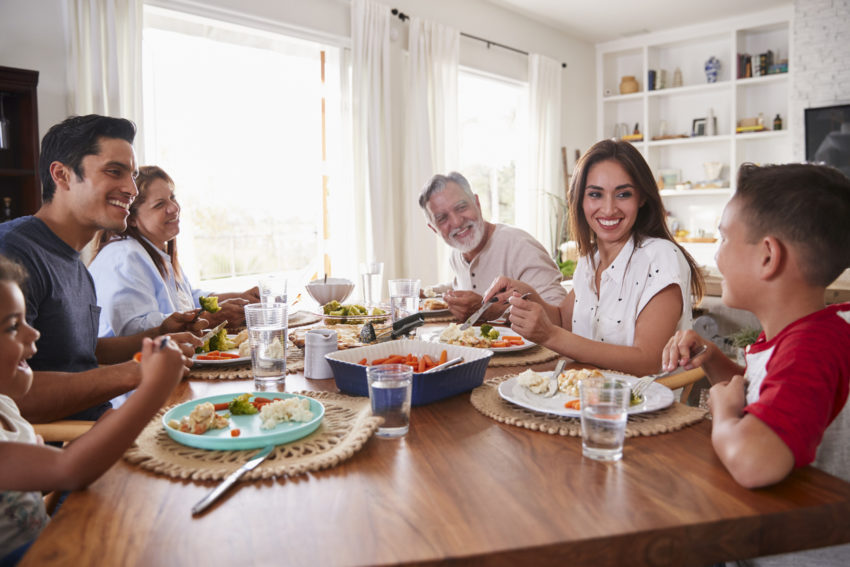
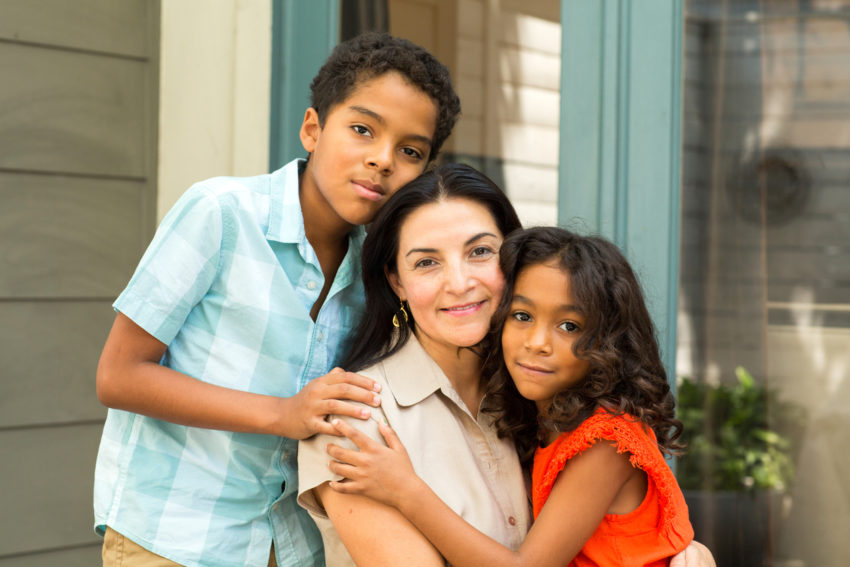
Family is a critical aspect in the lives of many Latinos. Moreover, research has shown that members of Latino families can heavily influence each other when it comes to physical, mental health and a wide range of political views. This includes the way this population views climate change, according to a recent report from Cornell University. “Feeling a sense of connection and commitment to your family, and believing that family considerations should guide our everyday decisions, may shape consensus views within a family, including for a societal problem like climate change,” Adam Pearson, an associate professor of psychological science at Pomona College, told the Cornell Chronicle. “And this may have implications for the sharing of climate beliefs and concerns within Latino ...
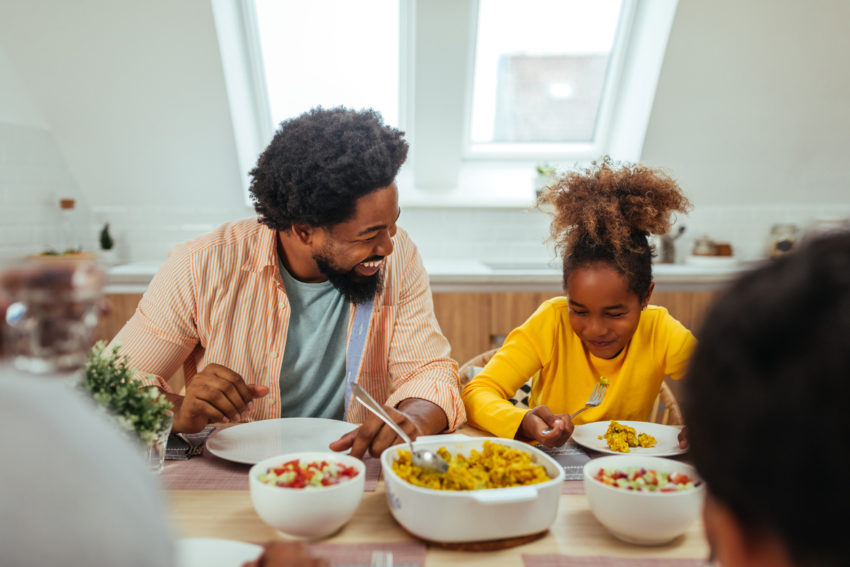
Lack of nutritious food can result in countless physical, social, and mental health complications. For many Latino families, governmental assistance programs, such as the Supplemental Nutrition Assistance Program (SNAP), put food on the table and uplift out of poverty. But health experts say federal food aid needs expansion to help families in need. Fortunately, the Biden administration recently announced the modernization of the Thrifty Food Plan—used to calculate SNAP benefits—and a 25% rise the average SNAP benefit, the largest single increase in the program’s history. “The background formula was based on food preparation costs and nutrition standards that were developed in 1975,” Emily Weikert Bryant, executive director of Feeding Indiana’s Hungry told the Indy ...
By Reena Singh
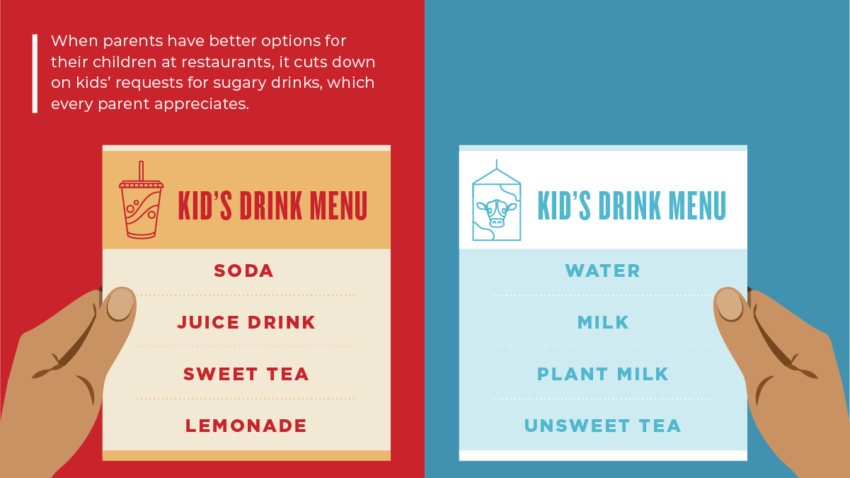
Guest Blogger, Voices for Healthy Kids Voices for Healthy Kids recently completed research to get the Latino community’s take on sugary drinks and sugary drink taxes. The research identified several messaging findings and strategies to help engage the Latino community in efforts to reduce the consumption of sugary drinks. Specifically, the research found after receiving more information, support for sugary drink taxes jumped 28%. So, what did we learn about building relationships and engagement with Latino communities on efforts to increase access to healthy beverages and reduce the consumption of sugary drinks?
1. Materials and Messages Need to Be in Spanish and English
45% of Latinos in the survey reported they speak Spanish daily. The majority (62%) of ...
We have updated our Health Equity Report Card to include place-based information on your county’s Social Vulnerability Index Score and COVID-19 cases, deaths, and hospitalizations. The Salud America! Health Equity Report Card, first launched in 2017, auto-generates Latino-focused and local data with interactive maps and comparative gauges, which can help you visualize and explore inequities in housing, transit, poverty, health care, food, and education. You will see how your county stacks up in these health equity issues — now including social vulnerability and COVID-19 — compared to your state and the nation. Then you can share the Report Card with your local leaders to advocate for healthy change! Get your Health Equity Report Card!
Why We Need to Consider ...
Many Latino families don’t have access to healthy, nutritious foods. To put food on the table, they rely on government food aid programs, such as the Supplemental Nutrition Assistance Program (SNAP) and Special Supplemental Nutrition Program for Women, Infants and Children (WIC). SNAP and WIC can improve diets and help raise people out of poverty. But many people of color don’t participate, even if eligible. Now two congresswomen of color — Reps. Jahana Hayes and Jenniffer González-Colón — introduced the WIC for Kids Act to eliminate barriers to enrollment for millions of pregnant women, mothers, and children, improve child and maternal health, and increase food access. “I introduced the WIC for Kids Act of 2021 to make it less burdensome on families to enroll ...
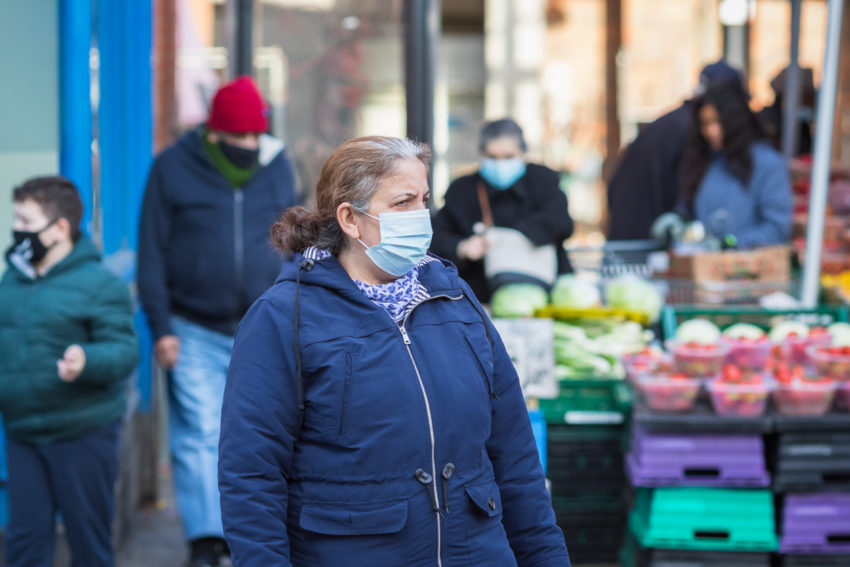
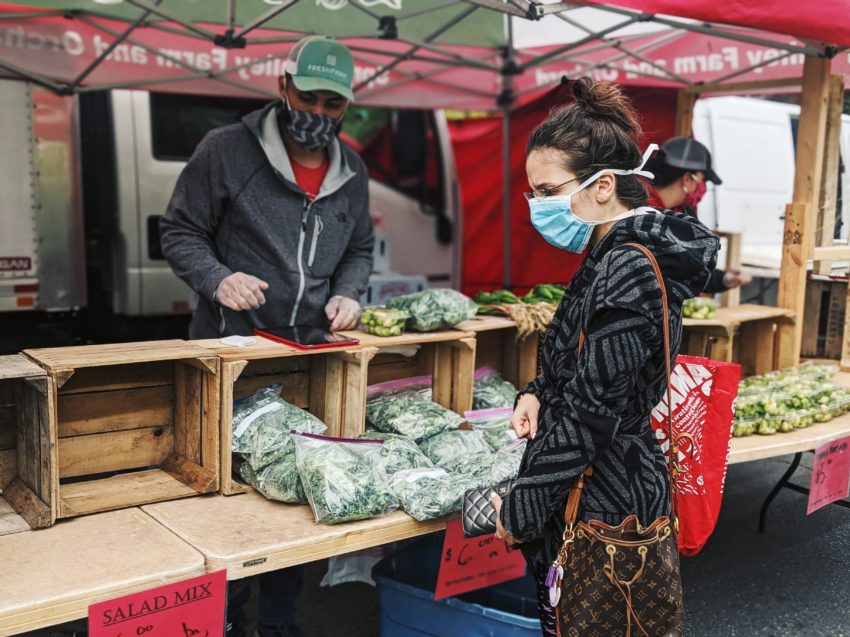
Does your town have a farmers market? Farmers markets are a path to healthy food access. They are especially important now as the pandemic worsens food insecurity. Fortunately, the Farmers Market Coalition is stepping up to support farmers markets. They’re pushing for federal aid for markets, creating resources and anti-racist toolkits, and sharing how markets increase access to healthy, fresh produce and social connections, and engage farmers in the local economy. "Amidst a global pandemic and nationwide change, it is now more important than ever for [farmers] markets to bring people together," according to the coalition. "As hubs for connection and community resilience, farmers markets have particularly risen to the occasion this year by providing a necessary sense of unity ...
Loss of physical activity can harm physical, emotional, and social health. Amid COVID-19 illness and isolation, some youth and families have experienced a loss of physical activity, according to a new report from Safe Routes Partnership, “One Step Forward, Two Steps Back: COVID-19’s Impact on Youth Physical Activity and Safe Routes to School.” The report explores research and expert perspectives on COVID-19’s impact on physical and emotional health to paint a holistic picture of how physical activity has changed during COVID-19. The report also has recommendations for supporting physical activity strategies and centering physical, emotional, and social health in equitable pandemic recovery plans. Our team at Salud America! was honored to contribute to this report ...
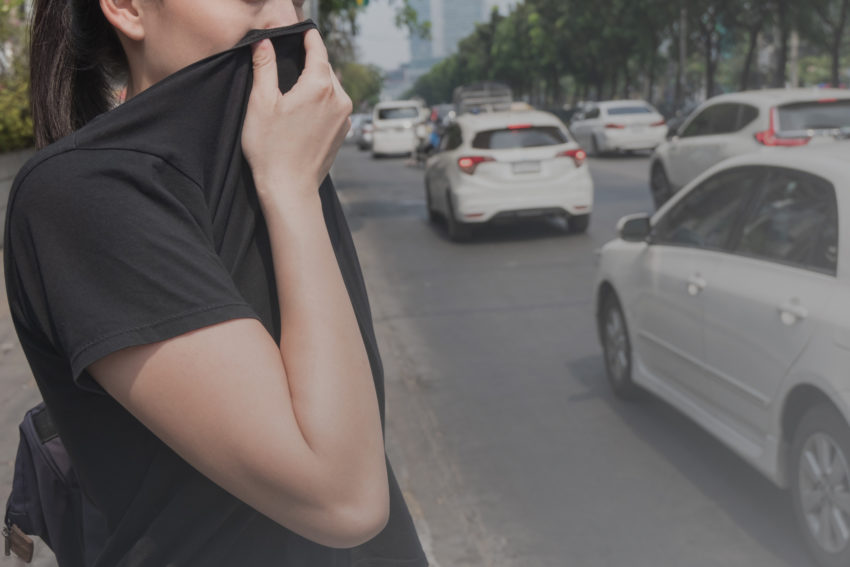
Latinos suffer from toxic pollution in the air at higher rates than their white peers, and it can lead to many harmful side effects. University of Colorado Boulder researchers just added another side effect to that list: Childhood obesity in those whose mothers were exposed to air pollution during pregnancy. Study authors say their findings reveal air pollution’s disproportionate impact on communities of color — the same communities that suffer a lack of access to healthy food and barriers to safe places for physical activity, which contribute to America’s obesity epidemic. “Higher rates of obesity among certain groups in our society are not simply a byproduct of personal choices like exercise and calories in, calories out. It’s more complicated than that,” said ...
Latinos are the nation's largest minority, making up 18.5% of the population. This dynamic population is also helping fuel the red-hot housing market, even amid COVID-19. "The number of Hispanic-homeowner households rose by more than 700,000 to nearly 9 million in 2020, according to Census Bureau data compiled by the National Association of Hispanic Real Estate Professionals, an industry group. Those gains marked the biggest one-year increase in data on Hispanic homeownership going back two decades," the Wall Street Journal reported in April 2021. Let's explore the this surge in the Latino housing market, challenges, and the future of housing.
What's Causing the Surge in the Latino Housing Market?
The Latino homeownership rate has "increased more during the past several years ...